Winter camping offers a completely different relationship with the outdoors—one defined by stillness, crisp air, and landscapes transformed into quiet, snow-covered worlds. For beginners, the idea can feel intimidating. Cold temperatures, unpredictable weather, and the need for specialized gear all raise valid concerns. Yet, with the right preparation and mindset, winter camping becomes one of the most rewarding outdoor experiences available. It strips distractions away and replaces them with clarity, focus, and a deep connection to nature. Unlike summer camping, winter camping demands intention. Every decision—from where you set up camp to how you layer your clothing—affects your comfort and safety. But this added complexity is what makes it so fulfilling. It invites you to slow down, think strategically, and truly engage with your environment. For beginners, the goal isn’t to conquer extreme conditions but to build confidence step by step, learning how to stay warm, dry, and safe while enjoying the beauty of winter landscapes.
A: Pick one rated lower than the forecast low, especially for your first winter trips.
A: Sometimes in mild conditions, but strong wind and heavy snow favor a more winter-ready shelter.
A: Use dry layers, an insulated pad, a warm sleeping bag, and eat before bed.
A: Yes, when you start small, prepare carefully, and avoid severe weather or avalanche terrain.
A: Ground insulation may be too weak, your clothes may be damp, or the bag may not be warm enough.
A: Not always—dry, comfortable layers help, but overly bulky clothes can reduce sleeping bag efficiency.
A: Store bottles upside down, insulate them, and keep one inside your sleeping bag if needed.
A: Overheating while hiking in, then getting chilled later from sweat-soaked layers.
A: Only with extreme caution and ventilation, but inside the sleeping area is never safe.
A: A short, low-risk overnight near your car or close to a familiar trail is ideal.
Understanding the Cold: How Your Body Reacts in Winter Conditions
Before stepping into a winter campsite, it’s important to understand how cold affects your body. Your body constantly works to maintain a stable core temperature, and in cold environments, it burns more energy to stay warm. This means you’ll feel fatigued faster and require more calories than usual. The cold also reduces dexterity, making simple tasks like tying knots or setting up a tent more challenging.
Wind and moisture are two of the biggest threats in winter camping. Wind strips away body heat through convection, while moisture—whether from sweat or snow—dramatically accelerates heat loss. This is why staying dry is just as important as staying warm. Beginners often underestimate how quickly wet clothing can lead to discomfort or even dangerous conditions.
Recognizing early signs of cold stress is essential. Shivering, numb fingers, and sluggish thinking are signals that your body is struggling to maintain warmth. The key is to act early—adjust layers, eat, hydrate, or move around to generate heat. Winter camping rewards awareness, and the more you tune into your body, the safer and more enjoyable your experience becomes.
Choosing the Right Campsite: Shelter from the Elements
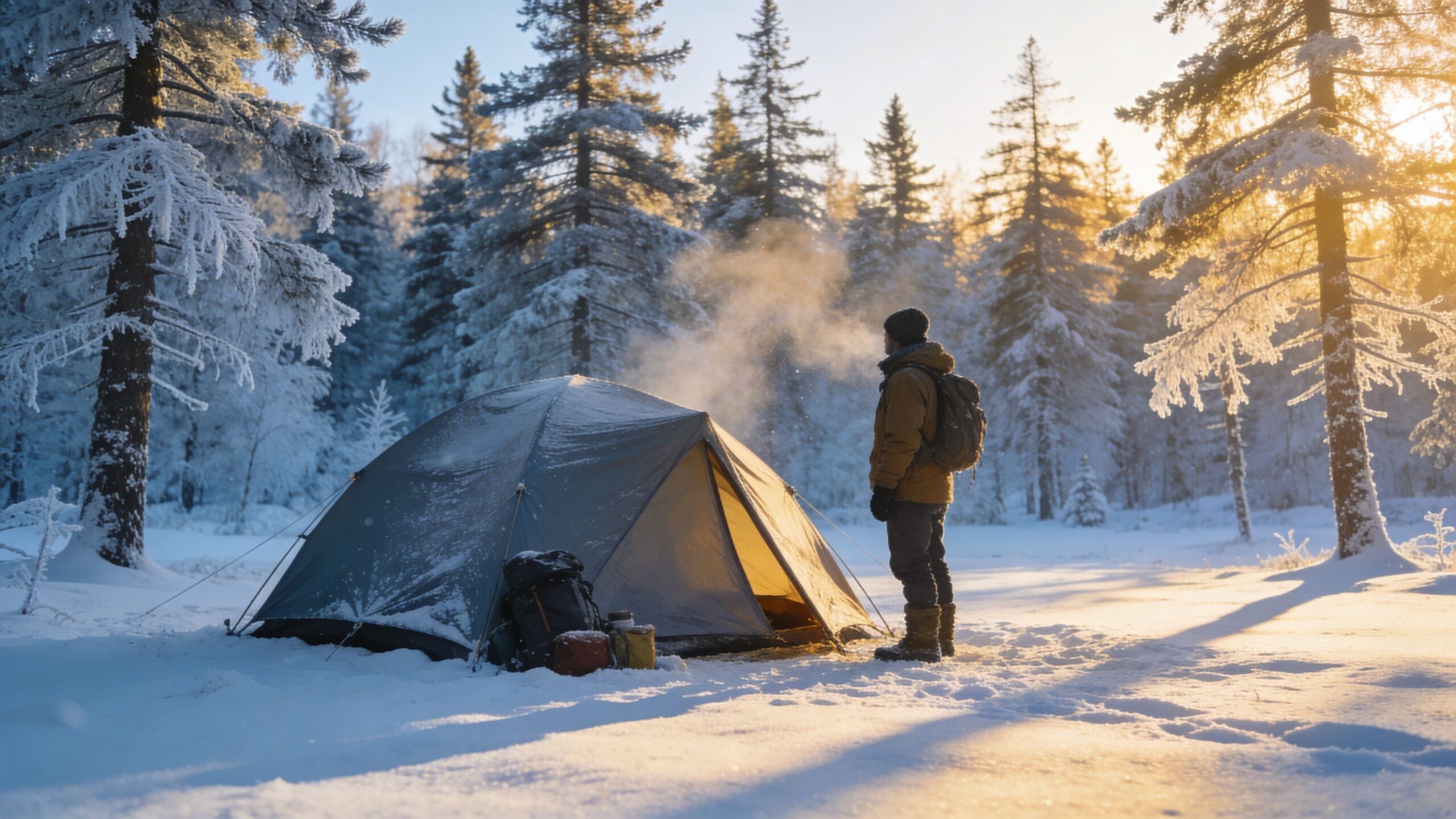
Selecting the right campsite is one of the most important decisions you’ll make in winter camping. Unlike warmer seasons, where location is often about views and convenience, winter camping prioritizes protection. Look for natural windbreaks such as trees, hills, or rock formations that can shield your campsite from strong gusts.
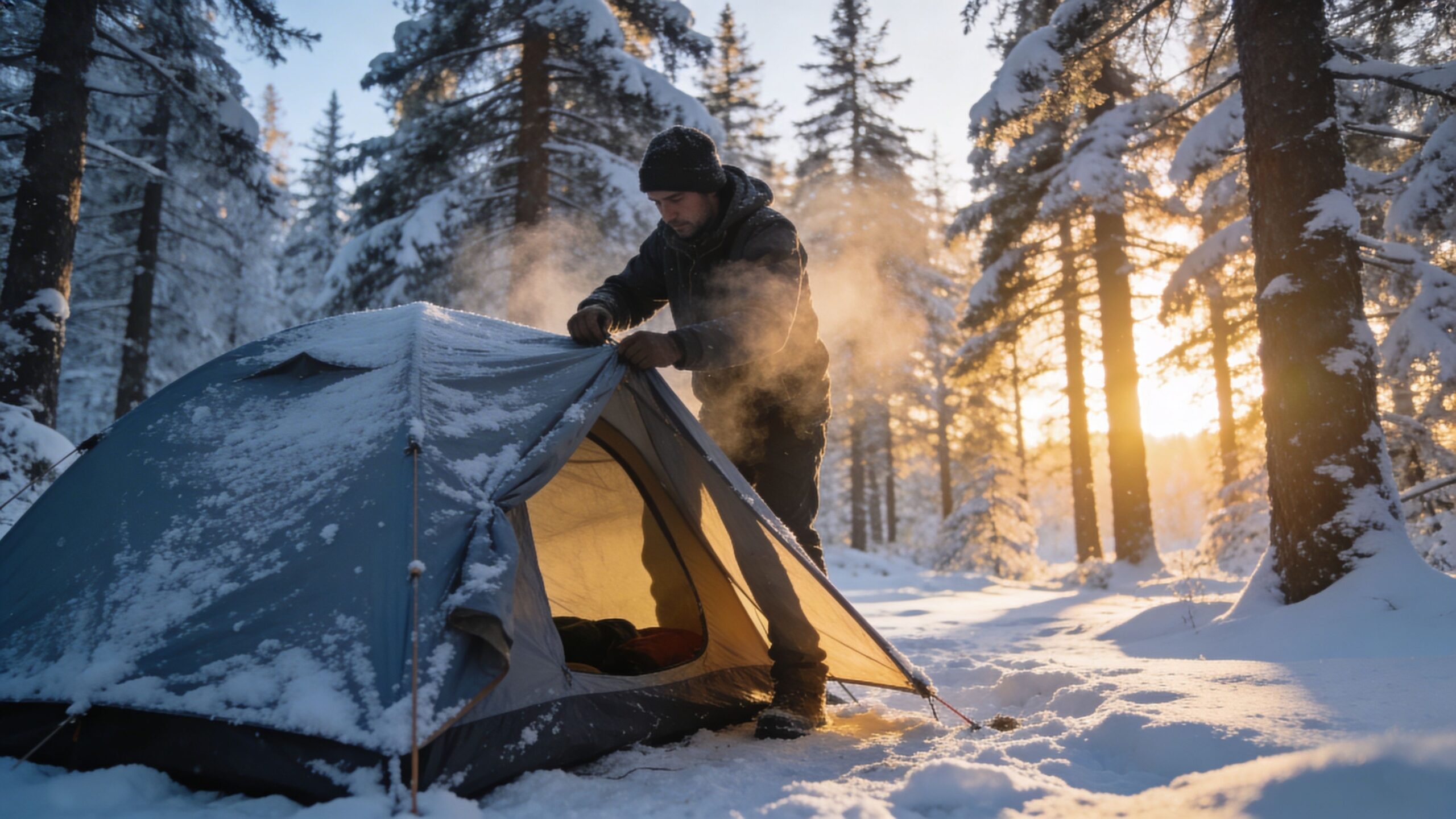
Avoid low-lying areas where cold air settles, as these spots tend to be significantly colder at night. Instead, choose slightly elevated ground with good drainage to prevent snowmelt from pooling beneath your tent. If you’re camping in deep snow, packing down the snow to create a firm base is essential. This provides stability and prevents your tent from sinking overnight.
Sun exposure also plays a role. A campsite that receives early morning sunlight can make a noticeable difference in warmth and morale. Waking up to sunlight hitting your tent helps melt frost and provides a psychological boost that makes the cold feel more manageable. Thoughtful campsite selection can transform a harsh environment into a comfortable base for your winter adventure.
Layering Like a Pro: The Art of Staying Warm Without Overheating
Clothing is your first line of defense against the cold, and mastering the layering system is essential for winter camping success. The goal is not just to stay warm, but to regulate your body temperature effectively. Overheating leads to sweat, and sweat leads to moisture, which can quickly turn dangerous in cold conditions.
The layering system typically consists of three parts: a base layer that wicks moisture away from your skin, an insulating layer that traps heat, and an outer shell that protects against wind and precipitation. Materials matter more than you might expect. Synthetic fabrics and wool perform far better than cotton, which retains moisture and loses insulating ability when wet.
One of the most important habits to develop is adjusting your layers based on activity. While hiking or setting up camp, you may need fewer layers to prevent sweating. Once you stop moving, you’ll need to add insulation quickly to retain heat. This constant adjustment becomes second nature over time and is one of the defining skills of successful winter campers.
Building a Warm Sleep System: Your Nighttime Survival Strategy
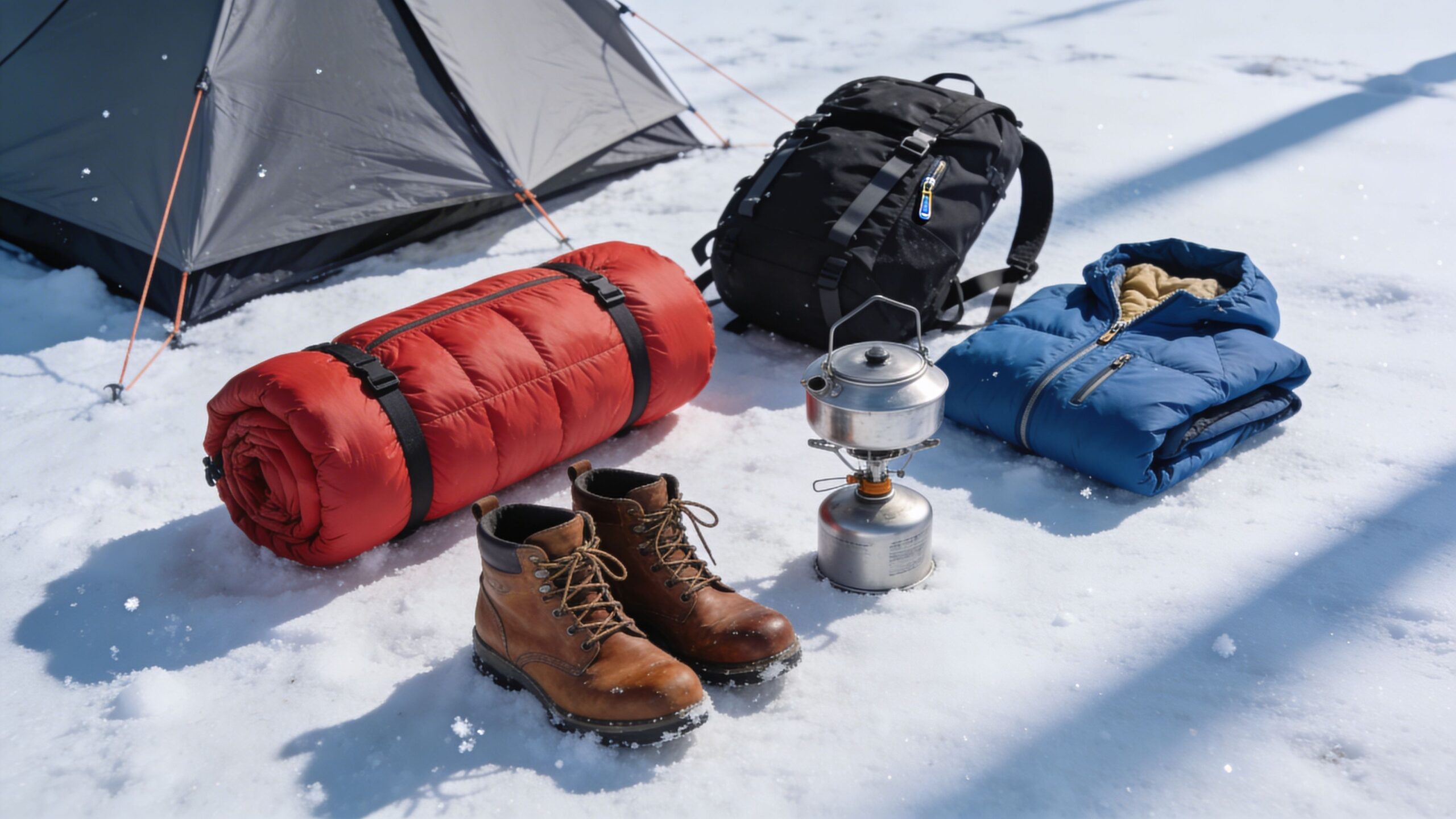
A good night’s sleep in winter conditions depends on more than just a warm sleeping bag. It requires a complete sleep system designed to insulate you from the cold ground and retain body heat effectively. The ground is often colder than the air, and without proper insulation beneath you, your body heat will quickly dissipate.
A high-quality sleeping pad with a strong insulation rating is essential. Many experienced winter campers use two pads—a foam pad for insulation and an inflatable pad for comfort. Your sleeping bag should be rated for temperatures lower than what you expect to encounter, providing a margin of safety.
Small details can make a big difference. Changing into dry clothes before bed helps prevent moisture buildup, and storing items like water bottles upside down reduces the chance of freezing. Even something as simple as eating a warm meal before sleep can provide your body with the fuel it needs to generate heat throughout the night. When your sleep system is dialed in, winter nights become surprisingly comfortable and even enjoyable.
Fire, Food, and Fuel: Staying Energized in Cold Environments
Winter camping requires a different approach to food and cooking. Your body burns more calories in cold conditions, so maintaining energy levels is critical. High-calorie meals that are easy to prepare are ideal, especially when temperatures make cooking more challenging.
Hydration is often overlooked in winter. The cold can suppress your sense of thirst, but your body still needs water to function properly. Snow can be melted for water, but this process requires time and fuel, so planning ahead is important. Always ensure you have enough fuel to melt snow and cook meals without running short.
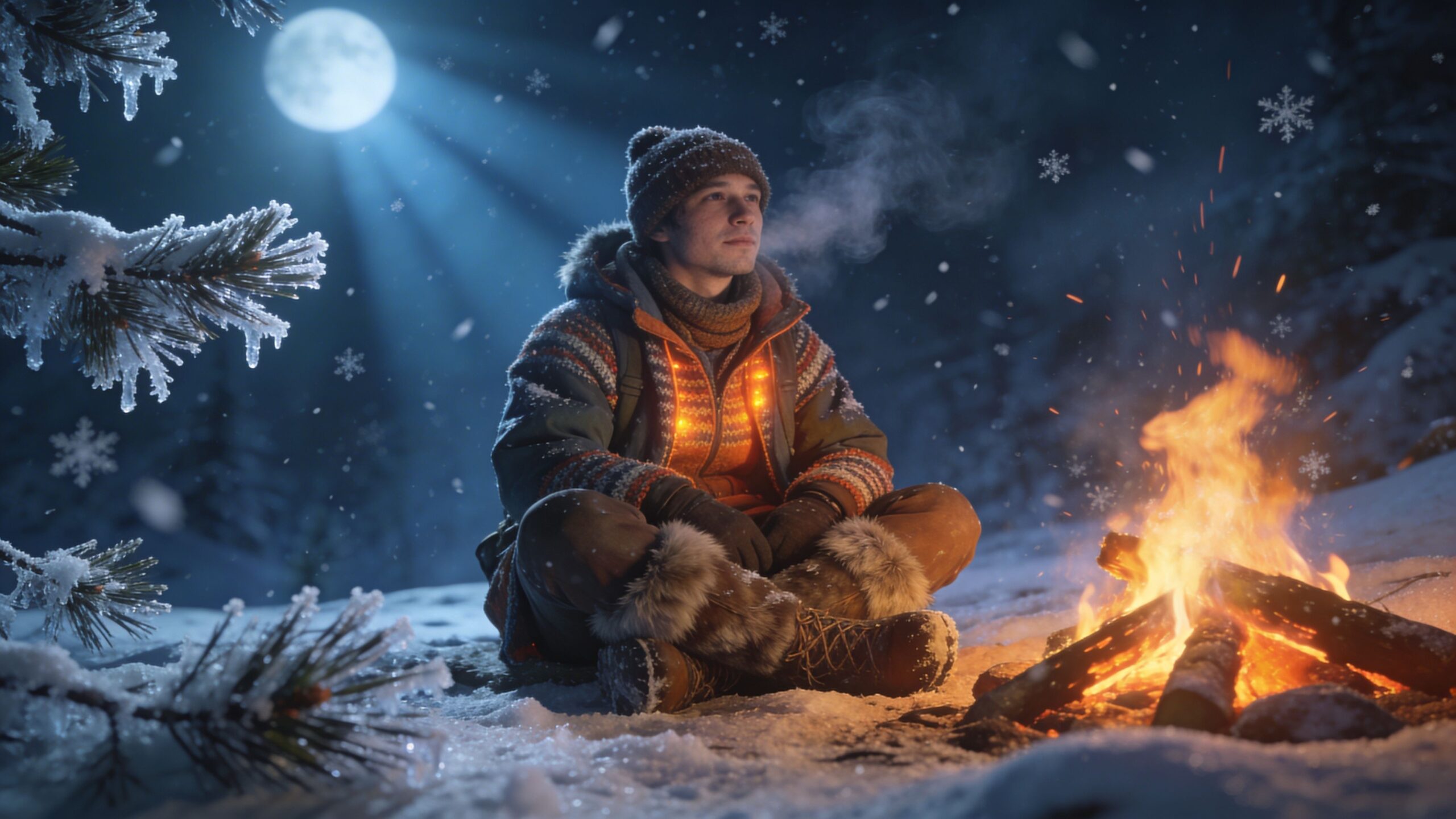
Fire can be both practical and comforting, but it’s not always reliable in winter conditions. Wet wood and snow-covered ground can make fire-building difficult. This is why a dependable stove is often the primary cooking method for winter campers. Still, if conditions allow, a well-built fire provides warmth, light, and a sense of connection to the environment that enhances the entire experience.
Navigating Winter Hazards: Safety First in the Snow
Winter landscapes are beautiful, but they come with unique hazards that beginners must understand. Snow can obscure trails, making navigation more difficult. Landmarks that are obvious in summer may be hidden, so carrying a map, compass, or GPS device is essential.
Avalanches are a serious risk in mountainous regions, and understanding terrain is critical. Beginners should avoid steep slopes and areas known for avalanche activity unless properly trained. Even in less extreme environments, icy surfaces can lead to slips and falls, so proper footwear and traction devices are important.
Weather can change quickly in winter, turning a calm day into a challenging situation. Checking forecasts before your trip is essential, but so is being prepared for unexpected changes. Packing extra layers, emergency supplies, and having a clear plan for retreat can make all the difference. Safety in winter camping is about preparation, awareness, and the willingness to adapt when conditions shift.
The Mindset Shift: Embracing the Challenge and Beauty of Winter Camping
Perhaps the most important element of winter camping is mindset. It’s easy to focus on the challenges—the cold, the extra gear, the need for constant awareness—but those who embrace the experience discover something far more meaningful. Winter camping slows everything down. It encourages intentional living, where each action has purpose and each moment feels more vivid. There is a unique beauty in winter landscapes that few people experience firsthand. Snow muffles sound, creating a peaceful silence that feels almost otherworldly. The air is crisp, the skies often clearer, and the sense of solitude is unmatched. For beginners, the goal is not perfection but progression. Each trip builds confidence, teaches new skills, and deepens your appreciation for the outdoors. Over time, what once felt intimidating becomes second nature. Lighting a stove in the cold, setting up camp on snow, or navigating a frozen landscape all become part of your skillset. And with that growth comes a sense of accomplishment that is hard to replicate elsewhere. Winter camping is not just about surviving the cold—it’s about discovering a new way to experience the wild, one that is quieter, more deliberate, and incredibly rewarding.