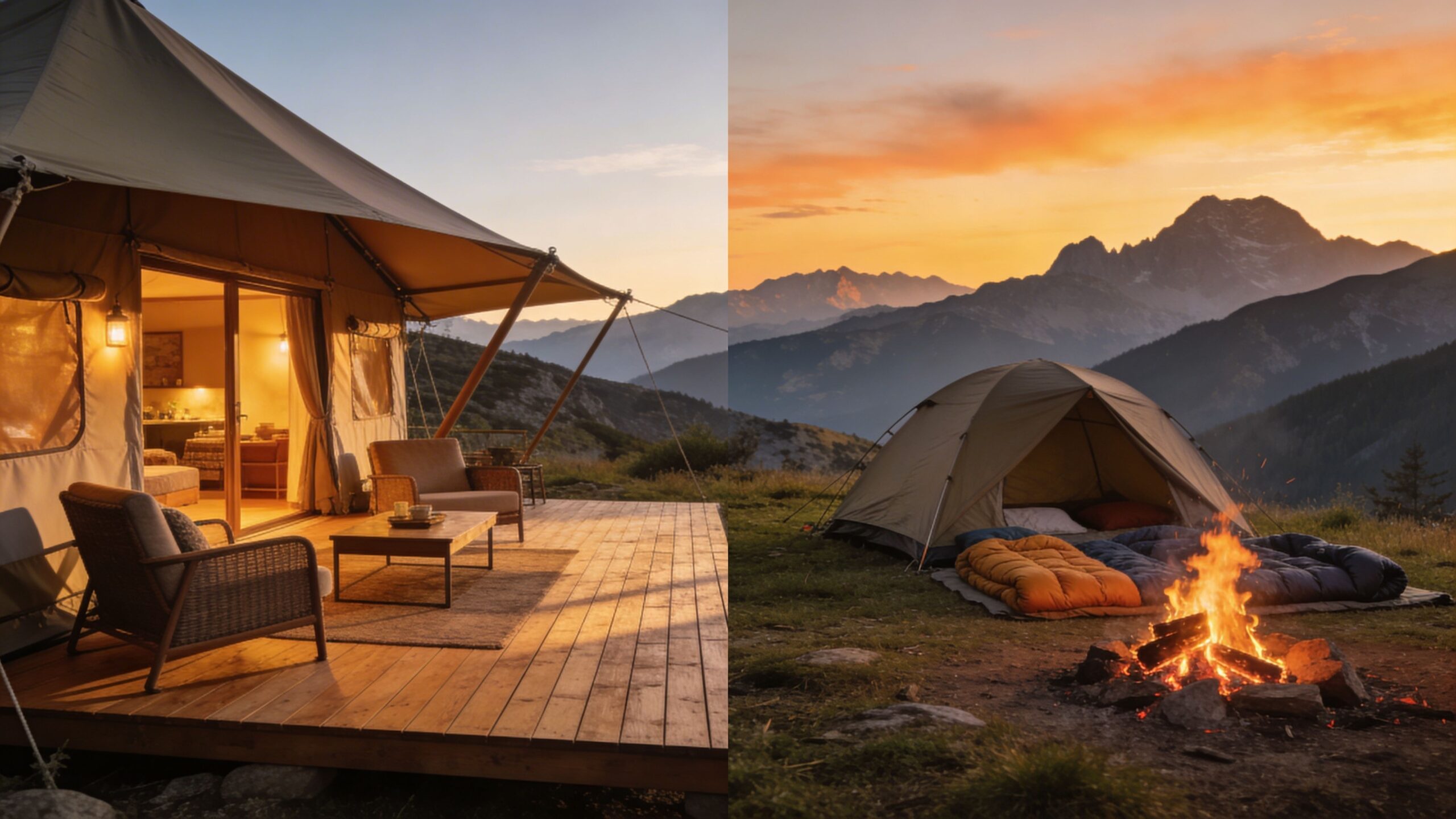
Glamping has quickly moved from a niche travel trend to a mainstream phenomenon, capturing the attention of travelers who want more than just a standard vacation. As people search for experiences that feel unique, immersive, and restorative, glamping has positioned itself as a compelling alternative to both traditional camping and conventional hotel stays. It promises the beauty of nature without the discomfort, offering a version of the outdoors that feels accessible, curated, and memorable.
A: For many travelers, yes—especially if comfort, ease, and atmosphere matter more than doing everything yourself.
A: It is especially good for beginners, couples, families, and people who want nature without the harder parts of traditional camping.
A: The biggest advantage is enjoying the outdoors with much less effort, discomfort, and gear management.
A: Cost is usually the main downside, especially when premium properties add fees or require weekend minimum stays.
A: It depends on your priorities—glamping is better for comfort and convenience, while camping is better for budget and hands-on adventure.
A: Many do, especially when the property offers strong views, privacy, and the level of comfort promised in the listing.
A: Absolutely; the best glamping stays still feel connected to nature even with added comfort and style.
A: It can be, especially for a special occasion, but many travelers feel the value is stronger over two or more nights.
A: Weak scenery, poor privacy, overhyped amenities, or a mismatch between price and actual comfort can make the stay feel disappointing.
A: If you want outdoor beauty with better sleep, less setup, and a more polished experience, glamping will likely feel worth trying.
What You Really Get with Glamping: The Experience Breakdown
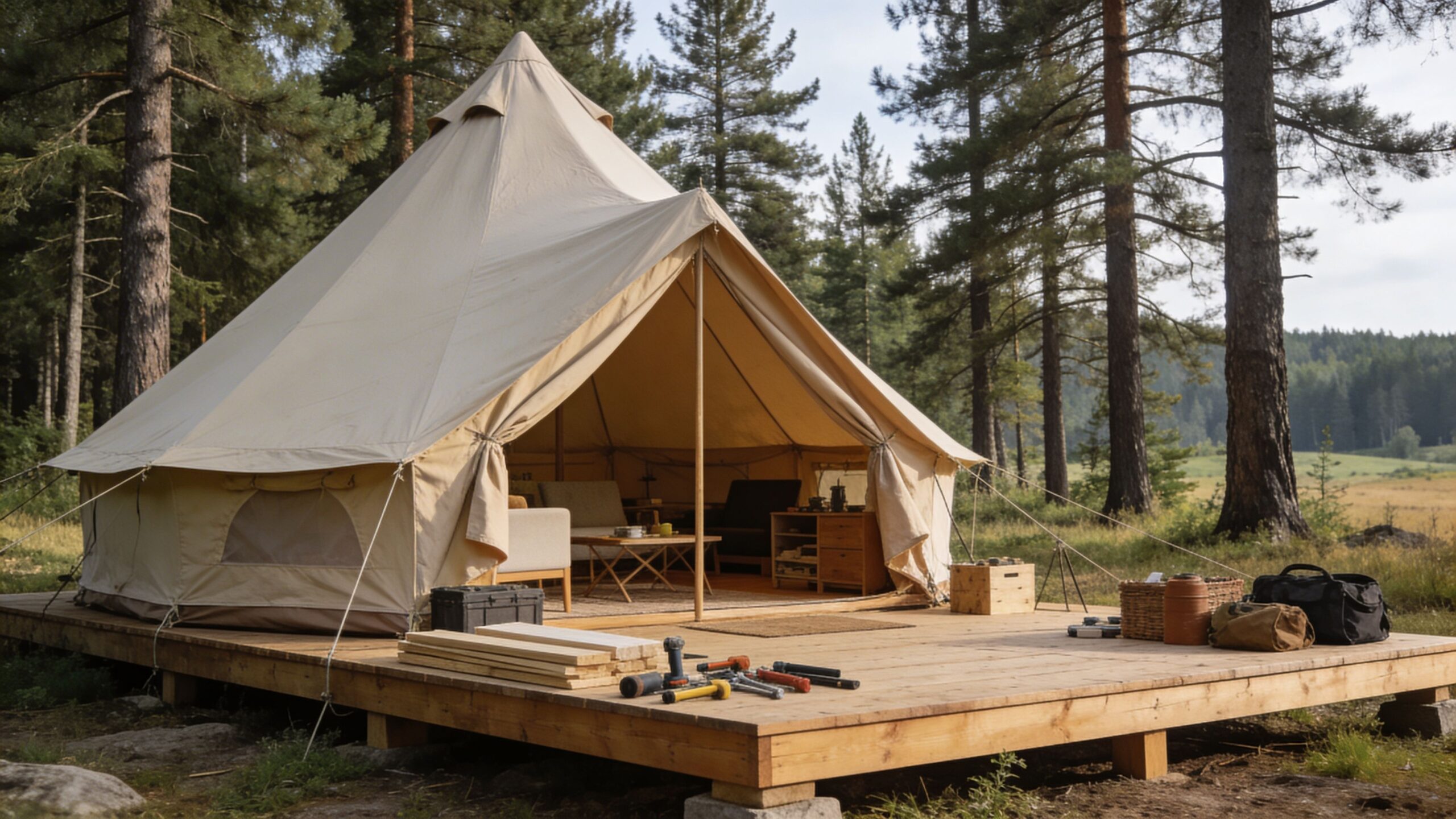
At its core, glamping is about reimagining the outdoor experience. Instead of focusing on survival and simplicity, it emphasizes comfort, design, and ease. When you arrive at a glamping destination, the most immediate difference is the lack of effort required. There is no need to pitch a tent, organize gear, or worry about basic logistics. Everything is prepared in advance, allowing you to step directly into your environment.
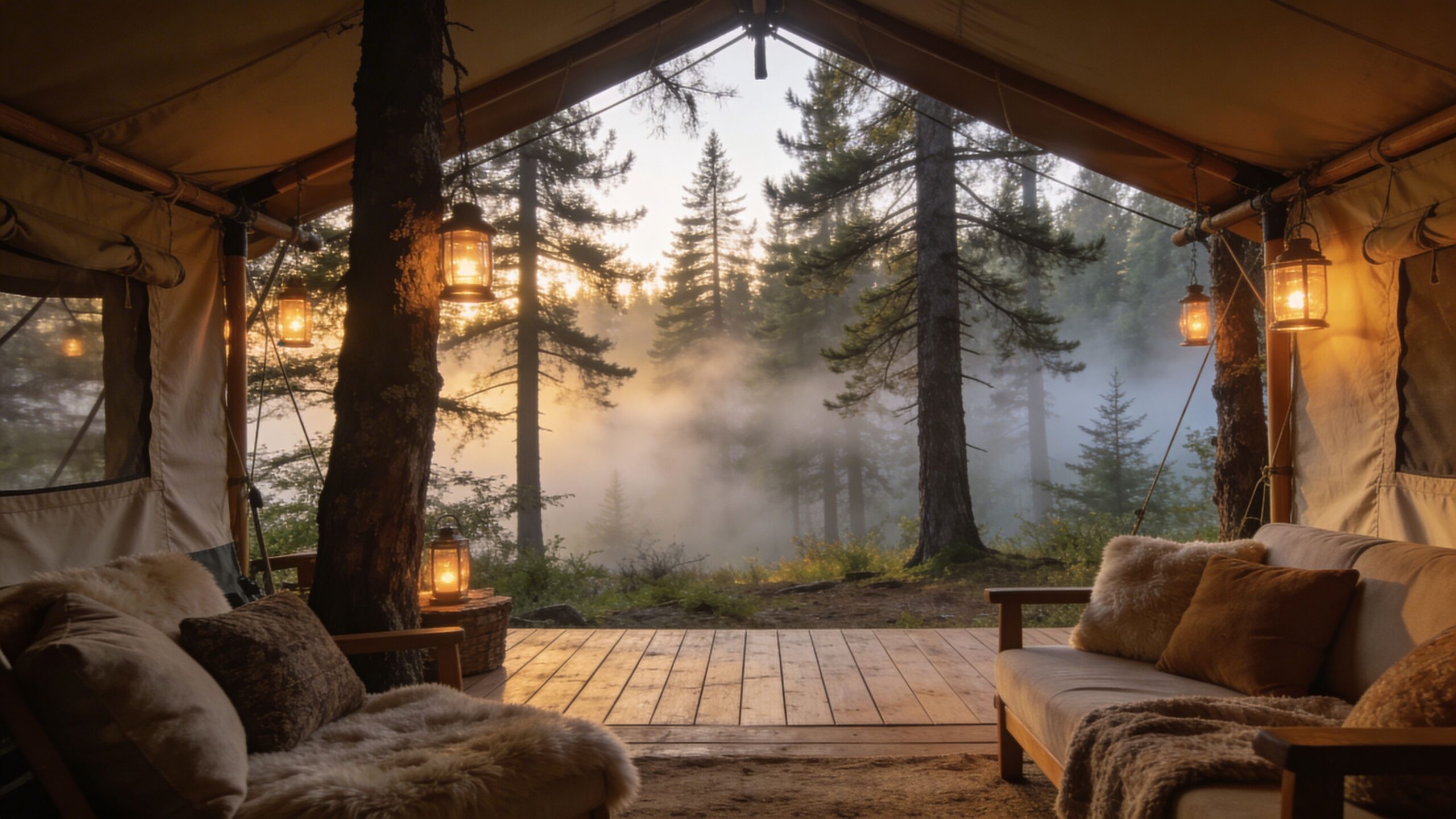
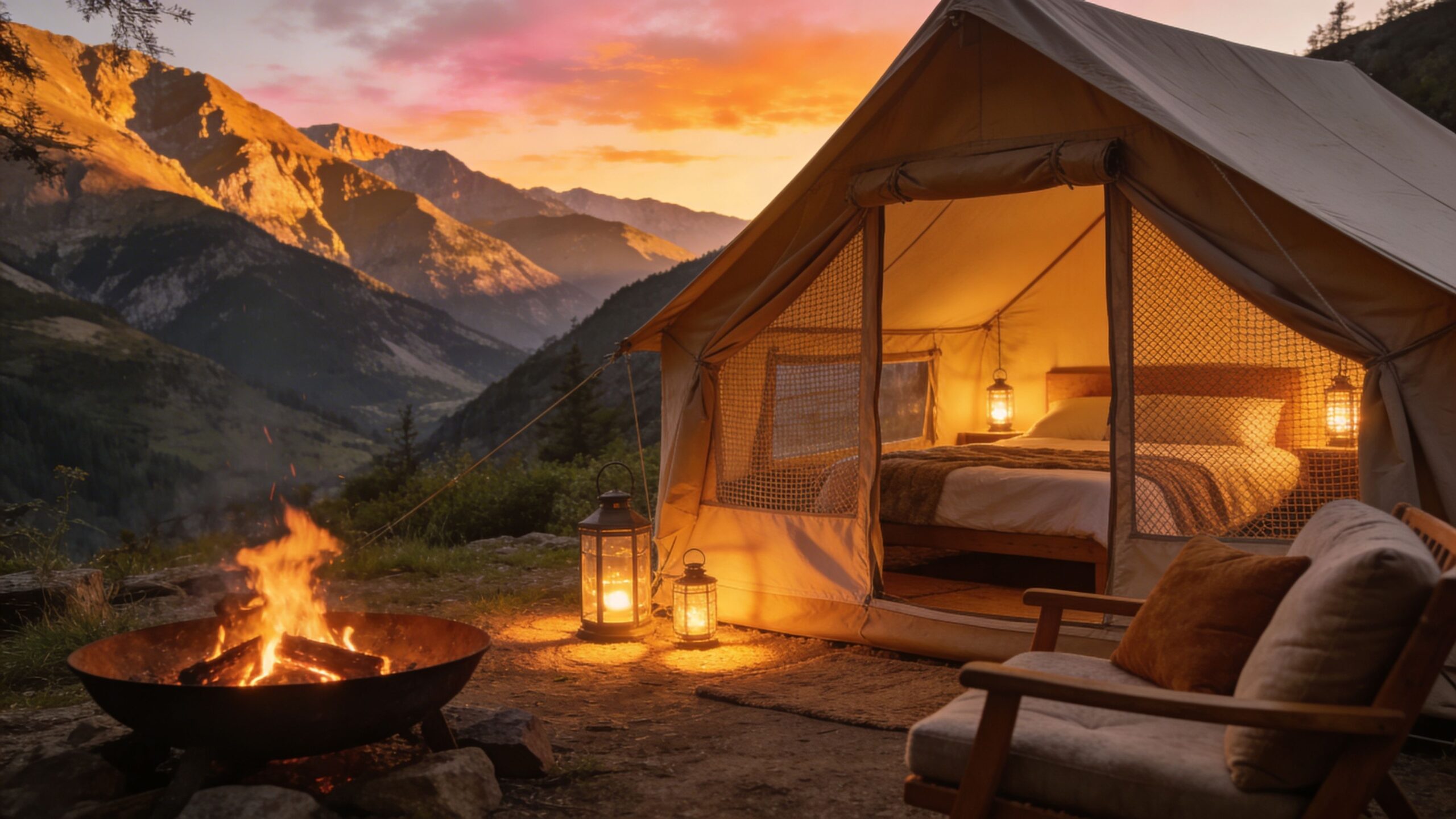
The accommodations themselves are a major part of the appeal. Real beds, quality linens, and climate control transform the experience into something closer to a boutique stay than a traditional campsite. Many setups also include private bathrooms, outdoor seating areas, and carefully designed interiors that enhance both comfort and atmosphere.
Beyond the physical space, glamping often includes curated experiences. Guests may have access to guided hikes, wellness activities, or locally inspired dining options. These additions create a sense of structure and elevate the overall stay, making it feel more intentional and complete.
What you are really getting with glamping is a blend of nature and convenience. It allows you to enjoy the outdoors without the challenges that typically come with it, creating an experience that is both relaxing and engaging.
The Upside: Why Glamping Can Be Absolutely Worth It
For many travelers, the advantages of glamping are clear and compelling. One of the biggest benefits is accessibility. Glamping opens the door to outdoor experiences for people who might otherwise avoid camping. Whether it’s due to lack of experience, physical limitations, or simply a preference for comfort, glamping removes many of the barriers that can make traditional camping intimidating.
Comfort is another major advantage. Being able to sleep well, stay warm or cool, and enjoy clean facilities can significantly enhance the overall experience. This is especially important for longer stays or trips where relaxation is a priority.
The aesthetic and emotional appeal of glamping also plays a significant role. Thoughtfully designed spaces and scenic locations create an atmosphere that feels both inspiring and calming. This combination makes glamping particularly popular for special occasions, romantic getaways, and memorable trips.
Convenience is another key factor. Without the need for extensive preparation or equipment, glamping simplifies the travel process. This allows you to focus on enjoying your time rather than managing logistics.
For many people, these benefits make glamping not just worth it, but highly desirable. It offers a way to experience nature that feels both elevated and approachable.
The Trade-Offs: Where Glamping Might Fall Short
Despite its many advantages, glamping is not without its drawbacks. One of the most significant considerations is cost. Compared to traditional camping, glamping can be substantially more expensive. Nightly rates often reflect the added comfort and amenities, making it less accessible for budget-conscious travelers.
Another potential downside is the level of immersion. While glamping places you in natural settings, it often introduces a layer of separation. The presence of modern comforts can reduce the sense of raw connection that many people associate with the outdoors. For those who value the challenge and authenticity of camping, this can feel like a compromise.
Availability and accessibility can also be limiting. Popular glamping destinations often book out well in advance, and the most desirable locations may require significant travel. This can add complexity to the planning process.
There is also the question of expectations. With higher prices and polished presentations, glamping creates a certain level of anticipation. If the experience does not fully meet those expectations, it can feel disappointing.
These trade-offs highlight the importance of understanding what you are looking for. Glamping offers a specific type of experience, and it may not align with every traveler’s preferences.
Real Experiences: What Travelers Are Actually Saying
To truly understand whether glamping is worth it, it helps to look at real experiences. Travelers who try glamping often describe it as a refreshing and memorable way to explore the outdoors. Many highlight the balance between comfort and nature as the most appealing aspect, noting that it allows them to enjoy environments they might otherwise avoid.
Couples frequently mention the romantic atmosphere of glamping. The combination of scenic views, cozy interiors, and unique accommodations creates a setting that feels special and intimate. This makes it a popular choice for anniversaries, proposals, and other meaningful occasions.
Families often appreciate the convenience and safety that glamping provides. Without the need for extensive setup or specialized knowledge, it becomes easier to introduce children to outdoor experiences in a controlled and comfortable environment.
At the same time, some travelers express mixed feelings. Those with a strong background in traditional camping sometimes find glamping less satisfying, citing a lack of challenge or authenticity. Others note that the cost can be difficult to justify for shorter stays.
Overall, real experiences suggest that glamping delivers on its promise for those who value comfort and design, but may fall short for those seeking a more rugged adventure.
Comparing Value: Glamping vs Hotels vs Camping
When evaluating whether glamping is worth it, it’s helpful to compare it to other travel options. Traditional camping is often the most affordable choice, but it requires effort and comes with certain limitations. Hotels offer comfort and convenience, but they may lack the immersive connection to nature.
Glamping sits somewhere in between. It provides a level of comfort similar to hotels while maintaining a strong connection to the natural environment. This hybrid approach is what makes it unique, but it also complicates the value equation.
In terms of cost, glamping is typically more expensive than camping and can be comparable to or even exceed hotel prices. However, it offers an experience that neither option can fully replicate. The combination of setting, design, and atmosphere creates a distinct value that goes beyond basic accommodation.
The question of worth ultimately comes down to priorities. If you are looking for the most affordable option, camping may be the better choice. If you prioritize convenience and familiarity, hotels may be more appealing. If you want a unique and immersive experience, glamping offers something different.
Understanding these comparisons can help you determine where glamping fits within your travel preferences and budget.
When Glamping Is Most Worth It
Glamping tends to be most worthwhile in specific situations. For first-time outdoor travelers, it provides an easy and enjoyable introduction to nature. It removes the intimidation factor and allows for a positive initial experience.
Special occasions are another context where glamping shines. The unique settings and elevated atmosphere make it ideal for celebrations and memorable trips. In these cases, the cost often feels justified by the experience.
Short getaways also align well with glamping. The convenience and comfort make it easy to plan a quick escape without extensive preparation. This makes it a great option for weekend trips or spontaneous travel.
Glamping is also particularly valuable in locations where traditional accommodations are limited. Remote or scenic areas often lack hotels, making glamping an attractive alternative that enhances the overall experience.
In these scenarios, the benefits of glamping tend to outweigh the drawbacks, making it a worthwhile choice for many travelers.
The Final Verdict: Is Glamping Worth It in 2026?
As glamping continues to evolve, it has established itself as a distinct and valuable category within the travel industry. It offers a unique blend of comfort, convenience, and connection to nature that resonates with modern travelers. Whether it is worth it depends on how well it aligns with your expectations. If you value comfort, design, and ease, glamping can provide an exceptional experience that feels both relaxing and inspiring. It allows you to explore the outdoors in a way that is accessible and enjoyable. If, however, you prioritize simplicity, challenge, and affordability, traditional camping may be a better fit. Glamping is not designed to replace camping, but rather to offer an alternative that appeals to a different set of preferences. In 2026, the appeal of glamping lies in its ability to bridge the gap between nature and luxury. It redefines what it means to experience the outdoors, making it possible to enjoy both adventure and comfort in a single trip. For many travelers, that balance is exactly what makes glamping worth it.