The great outdoors has always called to those seeking adventure, solitude, and a break from the routines of everyday life. For decades, camping was the primary gateway into that world—a raw, hands-on experience that required preparation, resilience, and a willingness to embrace discomfort. Today, however, a new approach has emerged alongside it: glamping. Short for glamorous camping, glamping offers a refined alternative that blends nature with comfort, creating a completely different way to explore the outdoors. As travel trends evolve in 2026, more people are weighing the choice between glamping and traditional camping. While both offer access to nature, they deliver vastly different experiences. One leans into simplicity and self-reliance, while the other emphasizes convenience and luxury. Understanding the real difference between the two is essential for choosing the experience that aligns with your expectations, lifestyle, and sense of adventure.
A: Camping is more hands-on and gear-dependent, while glamping provides a more comfortable, ready-made outdoor stay.
A: Usually yes, because you are paying for built-in lodging, amenities, and convenience.
A: Often yes, since camping usually involves more setup, self-reliance, and exposure to the elements.
A: For most beginners, yes—it offers an easier and more comfortable first outdoor overnight experience.
A: Absolutely; both place you in natural settings, but the style and comfort level are different.
A: Usually yes, because many essentials such as the bed, shelter, and seating are already provided.
A: Yes, especially if you already own the gear and use standard campgrounds or public lands.
A: It depends on the setup, but many people see RV travel as a middle ground between classic camping and full glamping.
A: Both can work, but glamping is often easier with kids because it offers more comfort and less setup stress.
A: Choose glamping if comfort matters most, and choose camping if you want a more traditional, hands-on outdoor experience.
Comfort Versus Grit: The Core Divide
At the heart of the glamping versus camping debate is one defining factor: comfort. Traditional camping often requires sacrificing many of the conveniences people are used to in daily life. Sleeping bags replace mattresses, portable stoves replace kitchens, and unpredictable weather becomes part of the experience. For many, this is exactly the appeal. It strips life down to its essentials and creates a sense of authenticity that is hard to replicate.
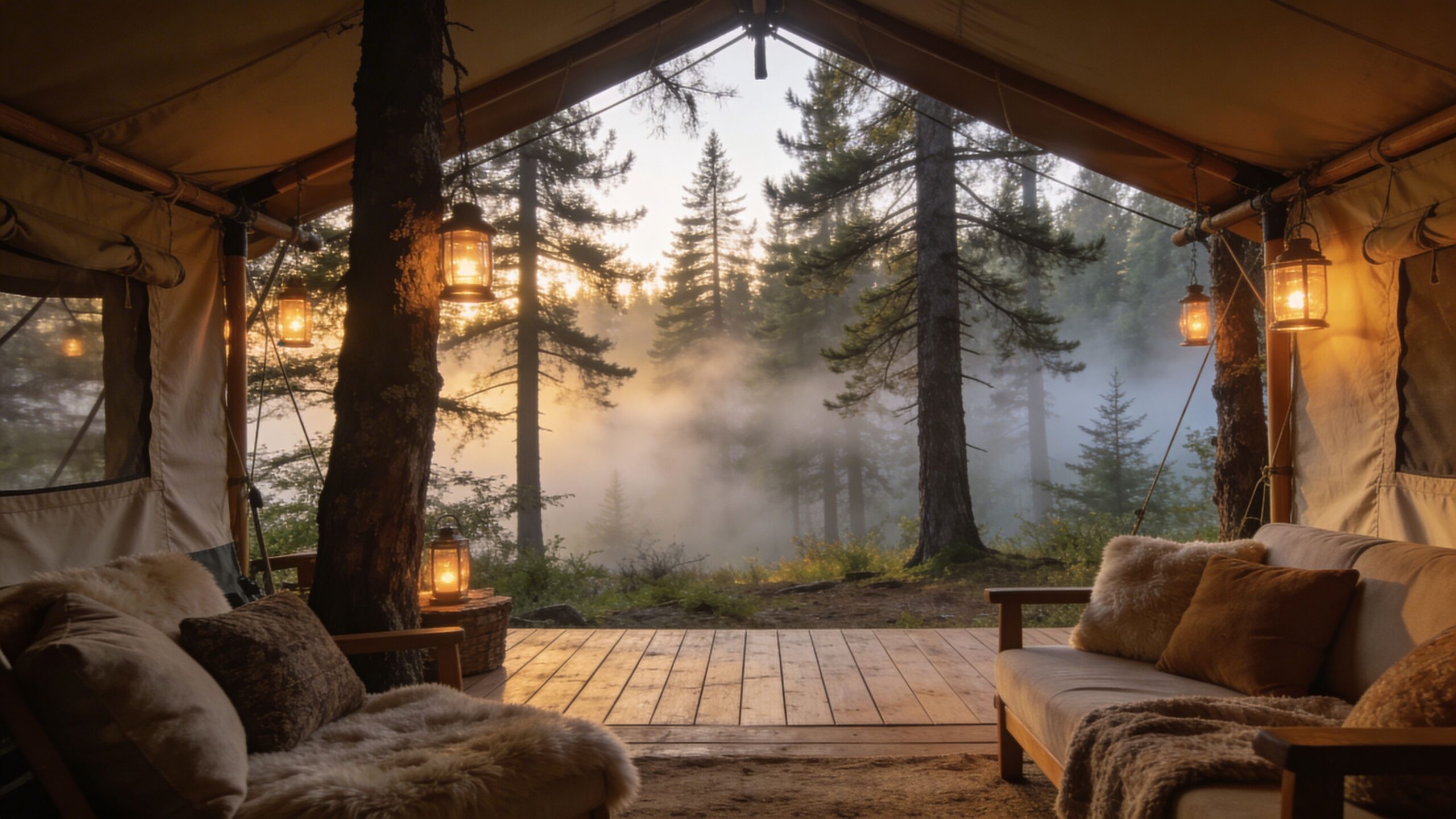
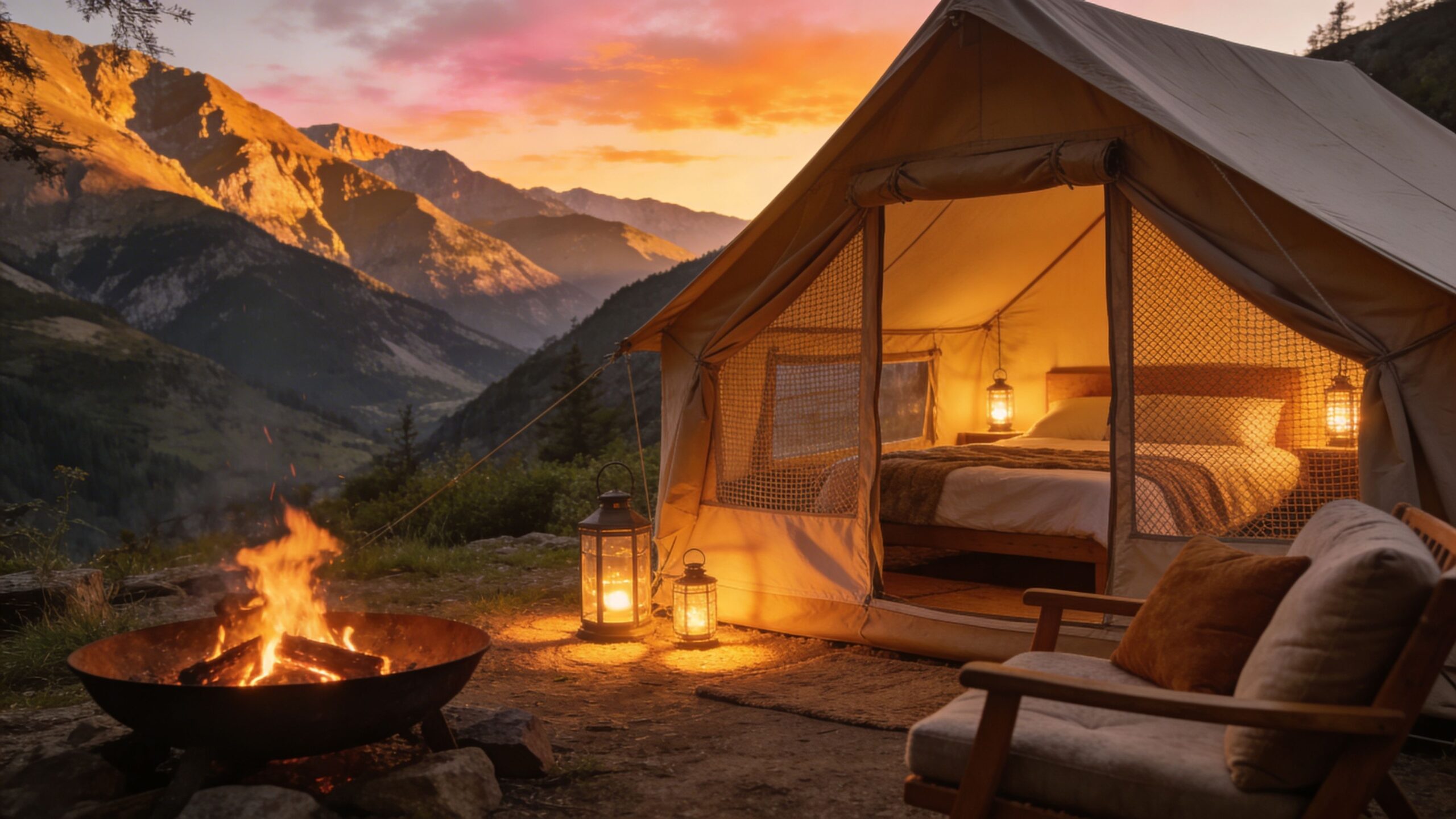
Glamping, on the other hand, reimagines the outdoor experience by removing those discomforts. Instead of sleeping on the ground, guests rest in real beds with high-quality linens. Climate control systems maintain a comfortable environment regardless of the weather, and private bathrooms eliminate the need for shared or makeshift facilities. The result is an experience that feels more like a boutique hotel set in nature than a traditional campsite.
This difference in comfort levels shapes the entire experience. Camping challenges you to adapt, while glamping allows you to relax. Neither approach is inherently better, but they cater to very different preferences and expectations.
Setup and Effort: DIY Adventure or Turnkey Escape
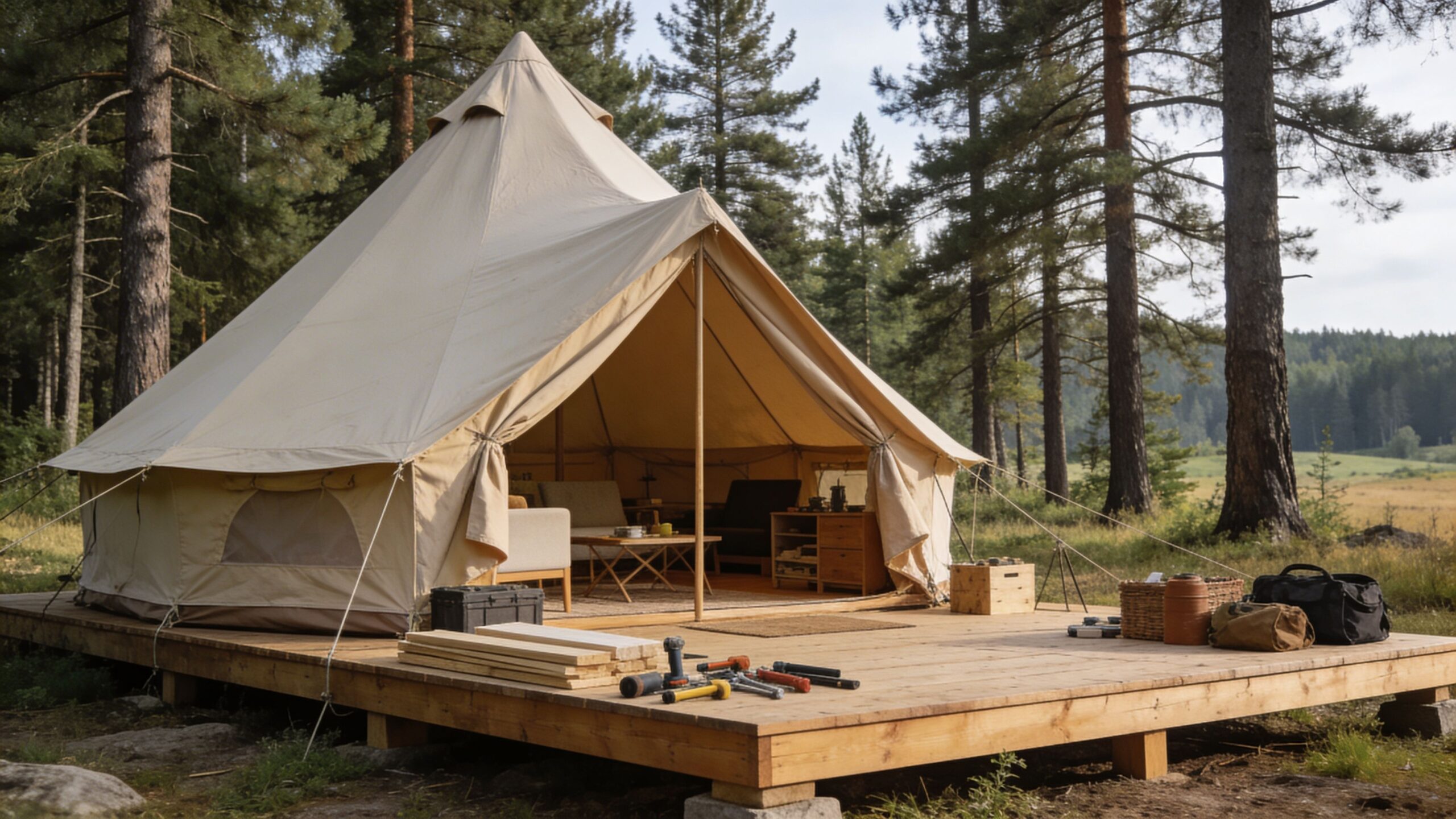
Another major distinction lies in the level of effort required. Traditional camping is inherently hands-on. From packing gear to setting up tents and managing supplies, campers are responsible for every aspect of their stay. This process can be rewarding, offering a sense of accomplishment and independence, but it also requires time, knowledge, and preparation.
Glamping eliminates much of this effort. Accommodations are fully prepared before arrival, allowing guests to step directly into their experience without the need for setup. There is no need to worry about assembling tents, building fires, or troubleshooting equipment. Everything is designed to be seamless and convenient.
This turnkey approach makes glamping particularly appealing for beginners or those with limited time. It lowers the barrier to entry, making outdoor travel accessible to a wider audience. At the same time, it removes the hands-on element that many campers value. The choice ultimately comes down to whether you enjoy the process of creating your campsite or prefer to arrive at a ready-made retreat.
Connection to Nature: Immersion Versus Observation
One of the most compelling reasons people venture outdoors is to connect with nature. Both camping and glamping offer this opportunity, but they do so in different ways.
Camping tends to create a deeper sense of immersion. Without the buffer of modern amenities, campers are more directly exposed to their surroundings. They feel the temperature changes, hear the subtle sounds of wildlife, and engage more actively with the environment. This level of immersion can be both challenging and rewarding, fostering a strong connection to the natural world.
Glamping, while still rooted in nature, often introduces a layer of separation. Large windows, elevated decks, and thoughtfully designed interiors allow guests to observe and appreciate their surroundings without being fully exposed to them. This creates a more curated experience, where nature is still central but experienced through a lens of comfort and design.
For some, this balance enhances the experience, making it more enjoyable and accessible. For others, it may feel less authentic. The difference lies in how much direct interaction with the environment you want to have.
Cost and Accessibility: Budget-Friendly or Premium Experience
Cost is another key factor that distinguishes glamping from camping. Traditional camping is often one of the most affordable ways to travel. Campsites are typically inexpensive, and once you have the necessary gear, the ongoing costs can be minimal. This makes camping accessible to a wide range of people and ideal for budget-conscious travelers.
Glamping, by contrast, is generally positioned as a premium experience. The added comfort, design, and services come at a higher price point. Nightly rates can vary widely depending on location and amenities, but they are often comparable to boutique hotels or luxury resorts.
However, the higher cost of glamping also reflects the value it provides. Guests are paying not only for the accommodation but also for the convenience, aesthetics, and overall experience. For many, this trade-off is worthwhile, especially for special occasions or shorter trips.
Accessibility extends beyond cost as well. Glamping makes outdoor travel more approachable for those who may not have the physical ability, experience, or desire to camp traditionally. It opens the door to nature for a broader audience, expanding the appeal of outdoor exploration.
Accommodations and Design: Rustic Minimalism Versus Curated Spaces
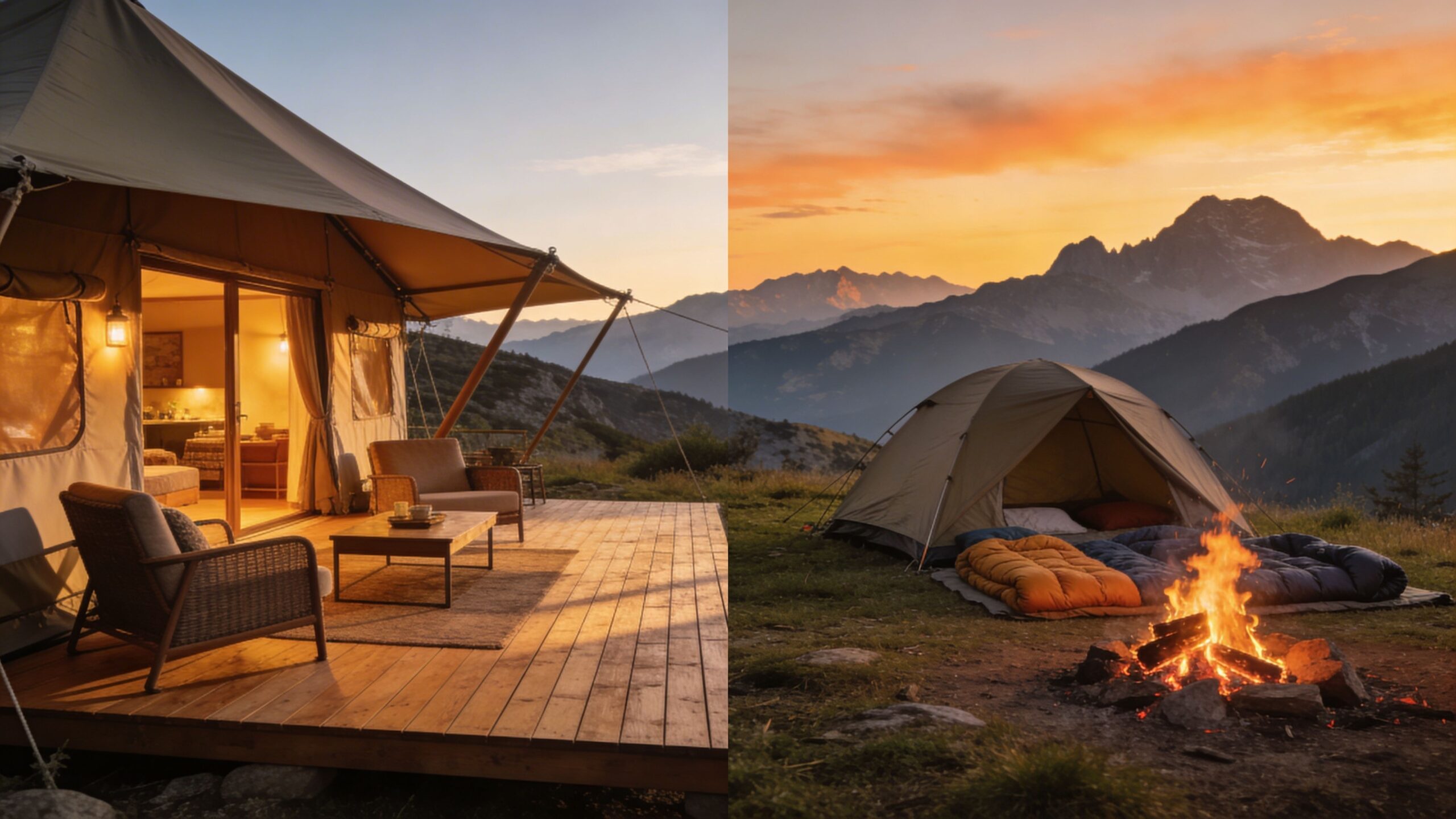
The physical spaces themselves highlight one of the most visible differences between glamping and camping. Traditional camping relies on functional, portable equipment. Tents, sleeping bags, and compact gear are designed for practicality and efficiency. The focus is on utility rather than aesthetics.
Glamping, in contrast, places a strong emphasis on design. Accommodations are often permanent or semi-permanent structures that are carefully crafted to enhance both comfort and visual appeal. From safari tents with wooden floors to glass domes with panoramic views, these spaces are designed to be both functional and beautiful.
Interior design plays a significant role as well. Thoughtfully chosen furnishings, lighting, and decor create an atmosphere that elevates the experience. This attention to detail transforms the accommodation into a destination in itself, rather than just a place to sleep.
This difference reflects a broader shift in travel preferences. Many travelers are seeking experiences that are not only enjoyable but also visually compelling. Glamping meets this demand by combining architecture, design, and nature in a way that traditional camping does not.
Activities and Lifestyle: Survival Skills Versus Curated Experiences
The activities associated with camping and glamping further illustrate their differences. Traditional camping often involves a do-it-yourself approach to activities. Cooking over a fire, navigating trails, and managing resources are all part of the experience. These activities require a certain level of skill and contribute to the sense of adventure.
Glamping, on the other hand, often includes curated experiences that enhance the stay. Guided hikes, wellness sessions, and organized excursions are common offerings. These activities are designed to provide enjoyment without requiring extensive preparation or expertise.
This difference extends to the overall lifestyle of each experience. Camping encourages self-sufficiency and adaptability, while glamping emphasizes relaxation and convenience. Both approaches offer value, but they cater to different mindsets and goals.
For those who enjoy learning and applying outdoor skills, camping provides a rewarding challenge. For those who prefer a more relaxed and structured experience, glamping offers a compelling alternative.
Who Should Choose What: Matching the Experience to the Traveler
Choosing between glamping and camping ultimately comes down to personal preference. Each option offers a unique way to experience the outdoors, and the right choice depends on what you are looking to gain from your trip.
Camping is ideal for those who enjoy hands-on experiences and are comfortable with a certain level of unpredictability. It appeals to adventurers who value simplicity, self-reliance, and a deeper immersion in nature. It is also a great option for longer trips or those traveling on a budget.
Glamping is better suited for travelers who want to enjoy nature without sacrificing comfort. It is perfect for beginners, couples, or anyone looking for a more refined outdoor experience. It also works well for special occasions, where the setting plays a key role in creating memorable moments.
Many people find value in both experiences, choosing one or the other depending on the context. A weekend glamping getaway might provide relaxation and inspiration, while a traditional camping trip offers challenge and adventure.
Understanding your priorities will help you make the right choice and ensure that your outdoor experience meets your expectations.
The Outdoor Experience Reimagined for a New Generation
As travel continues to evolve, the distinction between glamping and camping highlights a broader shift in how people engage with the outdoors. Both experiences offer meaningful ways to connect with nature, but they do so through different lenses. Camping remains a timeless tradition, rooted in simplicity and resilience. It challenges individuals to step outside their comfort zones and engage directly with the environment. Glamping, meanwhile, represents a modern reinterpretation of that tradition, making nature more accessible and appealing to a wider audience. In 2026, the choice between glamping and camping is not about which is better, but about which aligns with your vision of the perfect outdoor experience. Whether you seek the raw authenticity of a campsite or the refined comfort of a luxury retreat, the outdoors offers a place for both. By understanding the real differences between glamping and camping, you can make an informed decision that enhances your journey and allows you to experience nature in a way that feels both meaningful and enjoyable.