

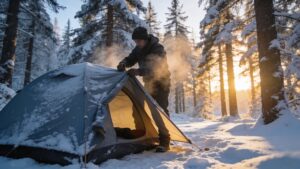
Winter Camping for Beginners: Essential Tips to Stay Warm and Safe
Curious about winter camping but unsure how to stay warm and safe? This beginner-friendly guide breaks down everything you need to know, from layering clothing and choosing the right campsite to building a reliable sleep system and managing cold-weather risks. Discover how to confidently explore snowy landscapes, avoid common mistakes, and turn your first winter camping trip into an unforgettable outdoor experience.
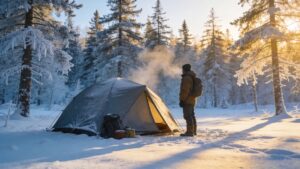
What You Need to Know Before Your First Winter Camping Trip
Thinking about your first winter camping trip but not sure what to expect? This guide covers everything you need to know before heading out, from choosing the right gear and campsite to staying warm, dry, and safe in cold conditions. Learn how to prepare for snow, manage winter risks, and build confidence so your first experience is both enjoyable and successful.
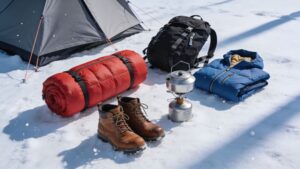
Cold Weather Camping Checklist: Gear You Can’t Forget
Heading out for a winter camping trip and not sure what to pack? This cold weather camping checklist covers all the must-have gear to keep you warm, safe, and comfortable in freezing conditions. From shelter and clothing to food and safety tools, learn how to prepare properly so you can enjoy the outdoors with confidence and avoid costly mistakes.
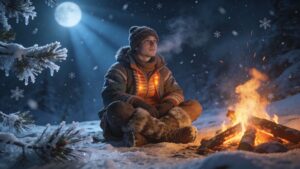
How to Stay Warm While Camping in Freezing Temperatures
Struggling to stay warm while camping in freezing temperatures? This guide reveals proven strategies to help you retain heat, from layering clothing and insulating your sleep system to fueling your body and setting up shelter correctly. Learn how to manage cold conditions with confidence, avoid common mistakes, and enjoy winter camping without sacrificing comfort or safety.