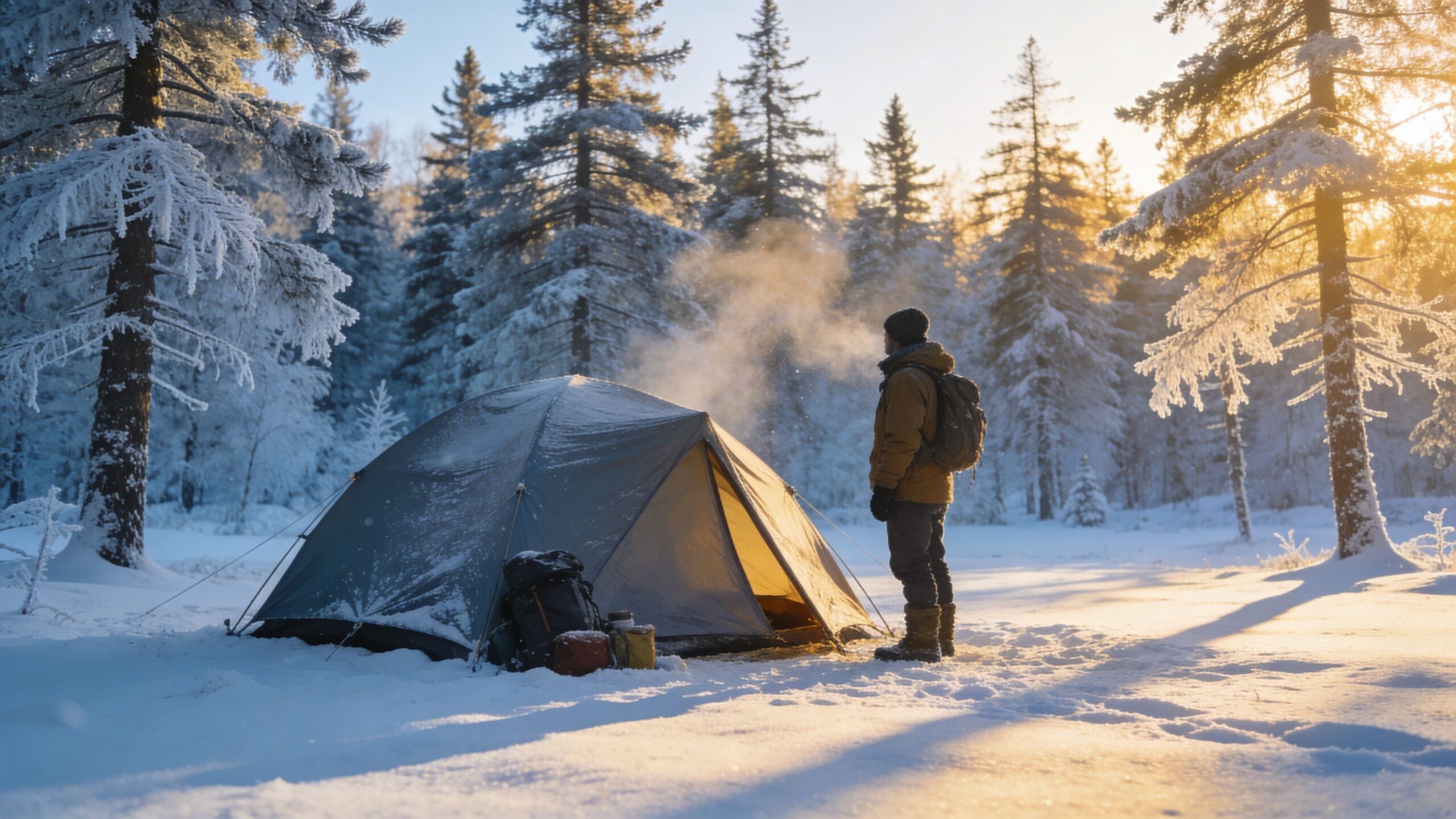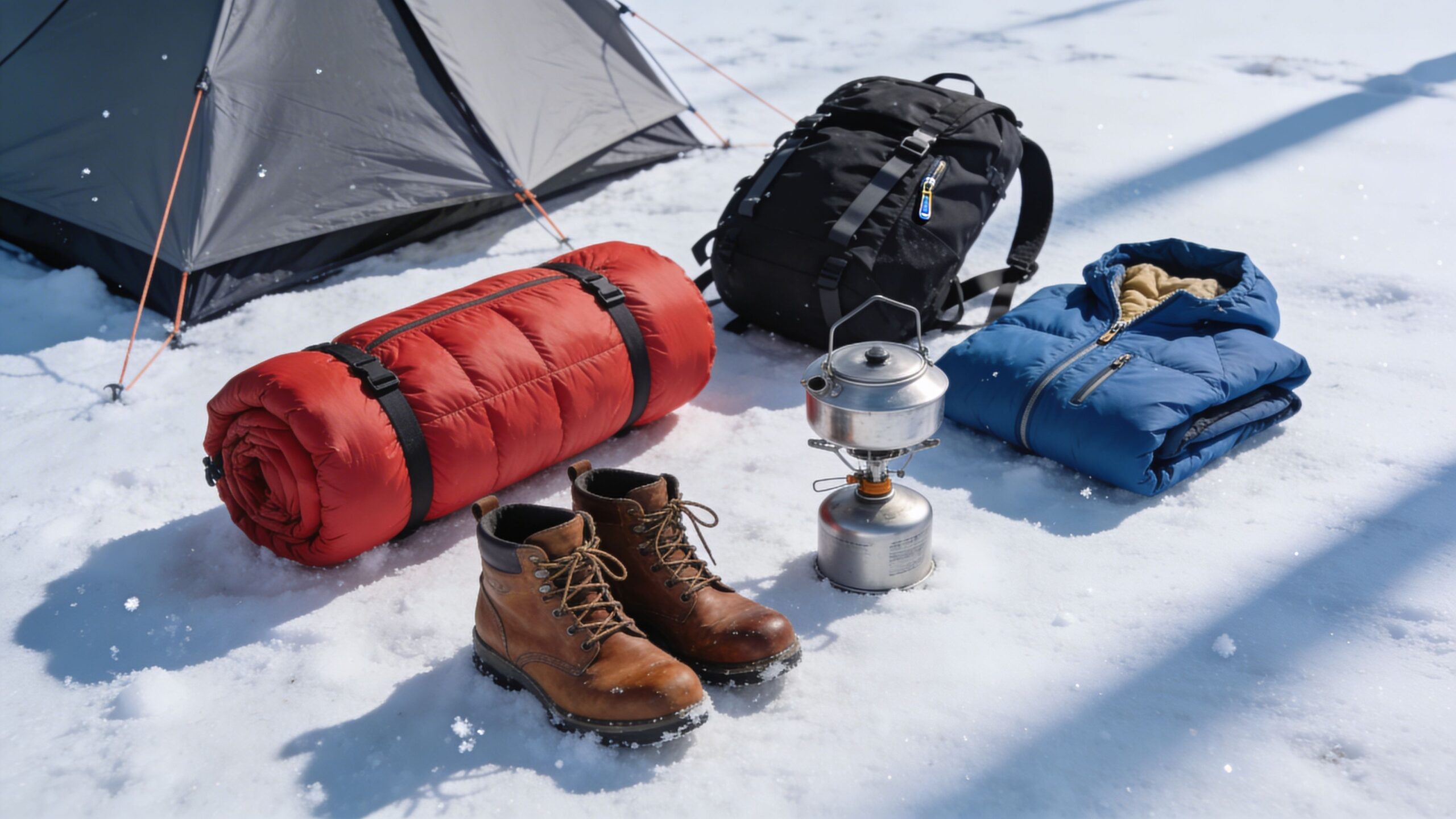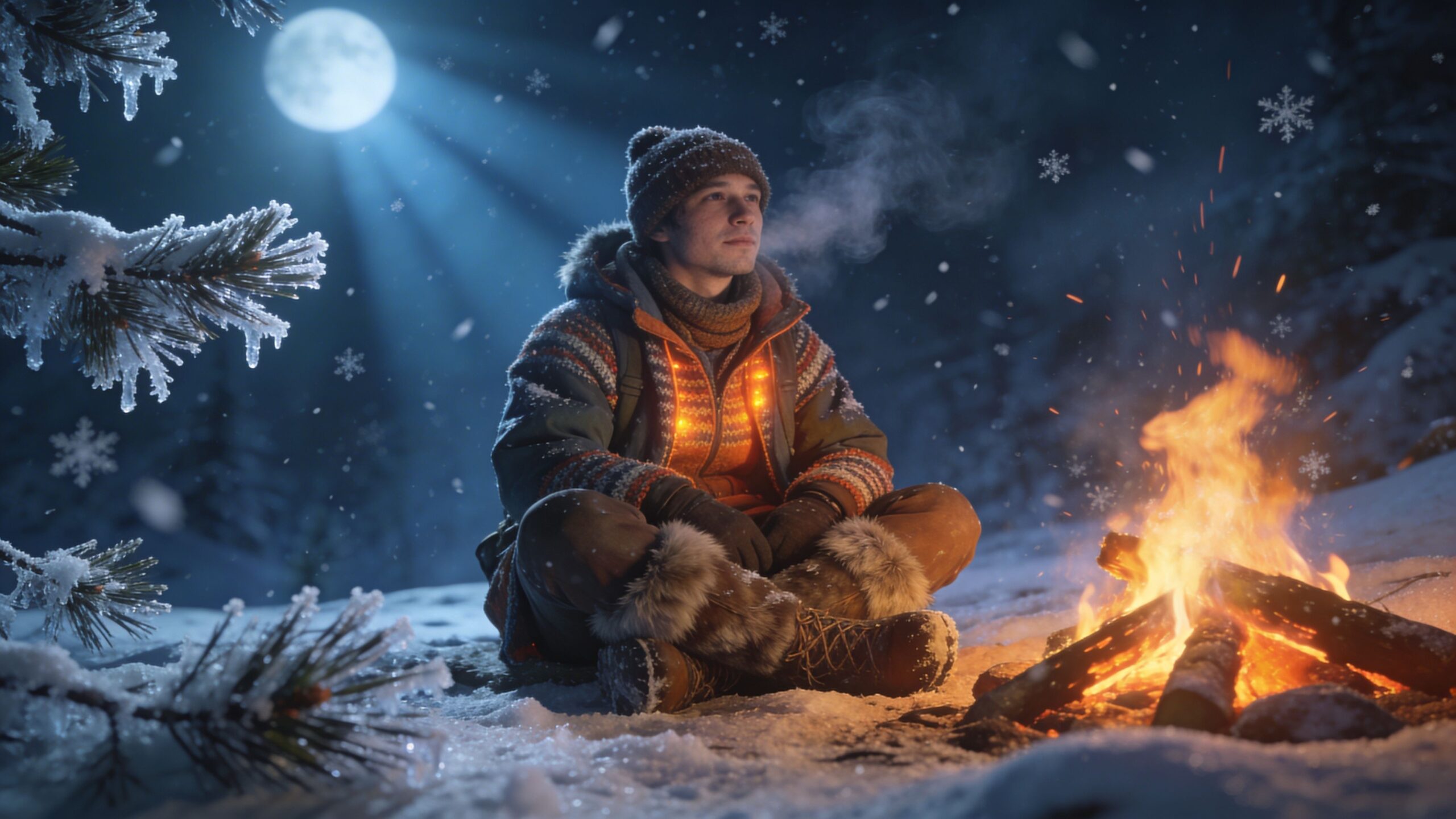
Camping in freezing temperatures is less about enduring harsh conditions and more about understanding how to work with them. The difference between a miserable night and an unforgettable adventure often comes down to how well you manage your body heat. When you stay warm, everything improves—your energy, your mindset, your safety, and your ability to enjoy the experience. When you don’t, even simple tasks can feel overwhelming. Staying warm in cold environments is not a single action but a system. It involves your clothing, your shelter, your nutrition, and your habits throughout the day. Every decision contributes to how your body retains or loses heat. Beginners often assume that staying warm means adding more layers, but the reality is far more dynamic. It’s about balance—avoiding sweat, minimizing heat loss, and constantly adapting to your surroundings.
A: Change into dry layers, block wind, eat something warm, and insulate yourself from the ground.
A: Your pad may not be warm enough, your clothes may be damp, or the bag may be under-rated for the temperature.
A: Dry layers help, but overly bulky clothing can compress insulation and reduce sleeping bag performance.
A: No, your real overnight warmth comes from your sleeping bag, sleeping pad, shelter, and dry clothing.
A: Use dry wool or synthetic socks, insulated boots, and avoid footwear that is too tight.
A: Yes, they improve comfort and can make you feel warmer, especially when paired with food and dry layers.
A: Sweating too much while moving and then staying in damp clothing once activity stops.
A: Absolutely, because ground cold can pull heat away faster than many campers realize.
A: It is best to avoid it, since cotton holds moisture and loses warmth quickly.
A: Fill a durable bottle with hot water and place it in your sleeping bag before you go to sleep.
Understanding Heat Loss: The Science Behind Staying Warm
To stay warm, you first need to understand how your body loses heat. There are several primary ways this happens: conduction, convection, radiation, and evaporation. Each plays a role in cold environments, and recognizing them helps you make smarter decisions.
Conduction occurs when your body comes into direct contact with cold surfaces, such as the ground. This is why sitting or lying on snow without insulation quickly drains your warmth. Convection involves heat loss through moving air, which is why wind can make temperatures feel significantly colder. Radiation is the natural loss of heat from your body into the surrounding environment, while evaporation happens when moisture—like sweat—draws heat away as it dries.
These processes are always at work, but winter conditions amplify them. The goal is to reduce their impact as much as possible. Insulating yourself from the ground, blocking wind, and staying dry are some of the most effective ways to maintain warmth. When you understand these principles, every piece of gear and every habit you develop starts to make sense.
Layering for Control: Building a System That Adapts to You
The foundation of staying warm in freezing temperatures lies in your clothing system. Layering is not just about adding warmth—it’s about giving yourself the ability to adjust to changing conditions throughout the day. A well-designed layering system allows you to stay comfortable whether you’re hiking, setting up camp, or resting.
The base layer sits closest to your skin and plays a critical role in moisture management. It pulls sweat away from your body, keeping you dry and reducing heat loss. The insulating layer traps body heat, creating a buffer against the cold. The outer layer protects you from wind and moisture, sealing in warmth while keeping the elements out.
The real skill comes in knowing when to adjust these layers. During physical activity, your body generates heat, and wearing too many layers can lead to sweating. Removing a layer before you overheat helps maintain dryness. When you stop moving, adding layers quickly prevents heat from escaping. This constant adjustment becomes second nature and is one of the most important skills for staying warm.
The Ground Beneath You: Why Insulation Matters More Than You Think
One of the biggest mistakes beginners make is underestimating the impact of the ground. In freezing temperatures, the ground acts like a massive heat sink, pulling warmth away from your body through conduction. Even the warmest sleeping bag cannot compensate for poor insulation beneath you.
A proper sleeping pad is essential for preventing heat loss. Insulated pads are designed to create a barrier between you and the cold ground, and many experienced campers use multiple layers for added protection. Combining a foam pad with an inflatable one provides both insulation and comfort, ensuring that your body retains heat throughout the night.
The same principle applies when sitting or standing still. Using a pad or even a backpack as a barrier can make a noticeable difference. Understanding how much heat is lost to the ground changes how you approach every aspect of your campsite setup. It reinforces the idea that staying warm is not just about what you wear, but also about how you interact with your environment.
Fueling the Furnace: How Food and Hydration Keep You Warm
Your body is essentially a furnace, and food is the fuel that keeps it running. In freezing temperatures, your body burns more calories to maintain its core temperature, which means you need to eat more than usual. High-energy foods become essential, providing the fuel needed to generate heat and sustain activity.
Warm meals have an added benefit. They provide immediate comfort and help raise your internal temperature, making it easier to stay warm. Eating before bed is particularly important, as it gives your body the energy needed to produce heat throughout the night. Skipping meals or underestimating your calorie needs can lead to fatigue and increased sensitivity to the cold.
Hydration plays a crucial role as well. Dehydration reduces your body’s ability to regulate temperature, making it harder to stay warm. Even though you may not feel as thirsty in cold conditions, maintaining a steady intake of fluids is essential. Warm drinks can be especially helpful, providing both hydration and a psychological boost.
When your body is properly fueled and hydrated, it becomes far more effective at maintaining warmth. This internal approach complements your external layers, creating a complete system for staying comfortable in freezing temperatures.
Shelter Strategies: Creating a Warm Micro-Environment
Your shelter is more than just a place to sleep—it’s a controlled environment where you can retain heat and recover from the cold. Choosing the right location and setting up your shelter properly can significantly impact your warmth.
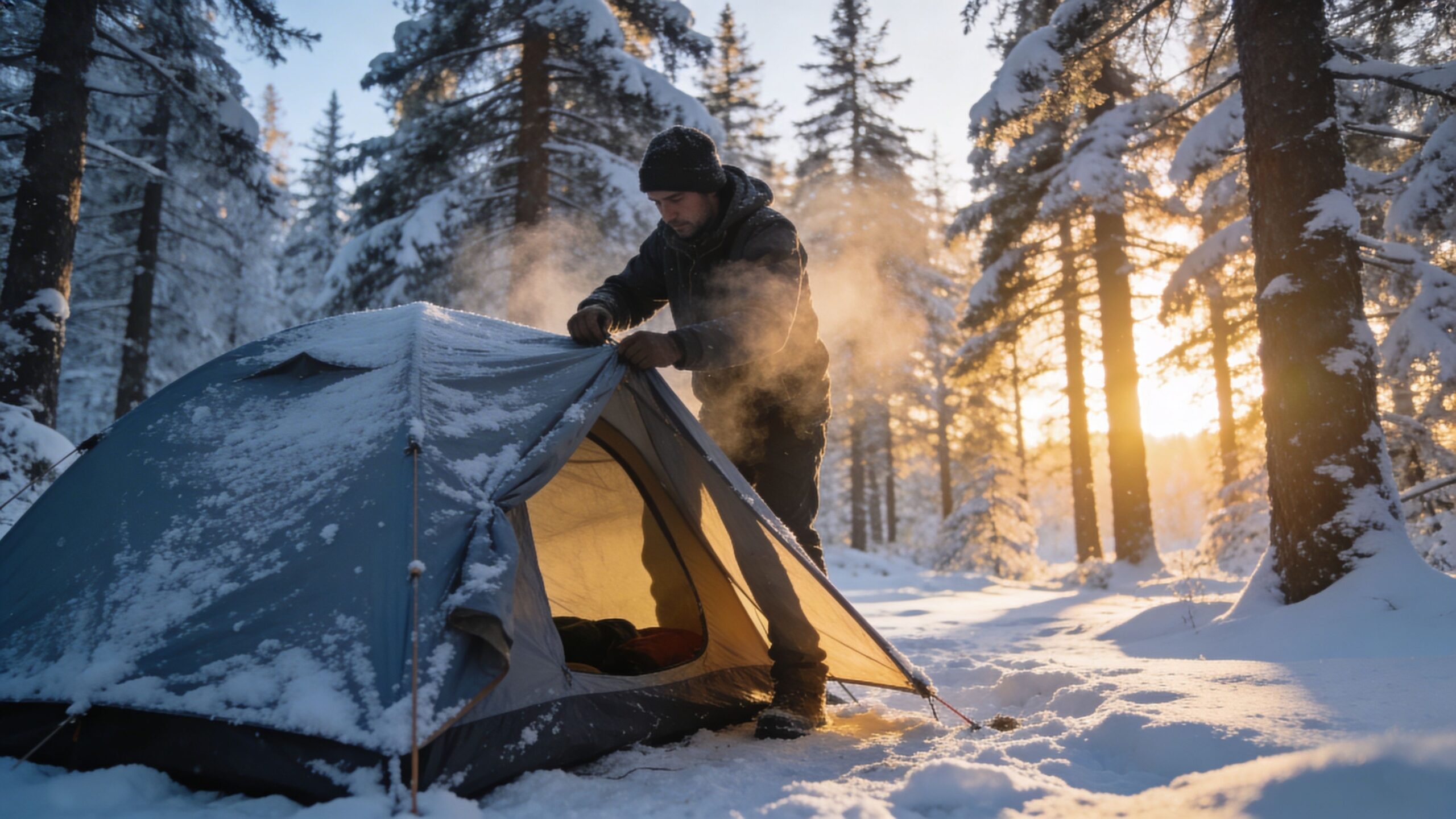
Positioning your tent in a sheltered area reduces exposure to wind, one of the biggest contributors to heat loss. Natural features like trees or hills can act as barriers, creating a calmer and warmer space. Packing down snow before setting up your tent provides a stable base and prevents sinking, improving both comfort and insulation.
Inside your shelter, small adjustments can make a big difference. Keeping your gear organized and accessible reduces the need to expose yourself to the cold unnecessarily. Ventilation is also important, as it helps manage moisture and prevents condensation from building up inside the tent.
Creating a warm micro-environment within your shelter allows you to conserve energy and maintain comfort. It becomes a space where you can recharge, regroup, and prepare for the next phase of your trip.
Nighttime Survival: Staying Warm When Temperatures Drop the Most
Nighttime is often the most challenging part of winter camping. As temperatures drop, your body naturally produces less heat due to reduced activity. This makes your sleep system and nighttime habits critical for staying warm.
Changing into dry clothing before bed is one of the most effective ways to retain heat. Even slightly damp clothing can lead to significant heat loss. Wearing a hat and keeping your extremities covered helps prevent warmth from escaping, as these areas are particularly vulnerable.
Your sleeping bag should be appropriate for the conditions, providing enough insulation to handle lower temperatures. Using a liner or additional layers can enhance its effectiveness. Small techniques, such as placing a warm water bottle inside your sleeping bag, can provide extra warmth and make falling asleep more comfortable.
Positioning also matters. Sleeping in a slightly curled position can help conserve heat, while avoiding tight clothing ensures proper circulation. These small adjustments add up, creating a system that keeps you warm throughout the night.
The Mental Edge: How Mindset Influences Your Ability to Stay Warm
Staying warm in freezing temperatures is not just a physical challenge—it’s a mental one as well. Your mindset plays a significant role in how you perceive and respond to the cold. Confidence, awareness, and adaptability all contribute to your ability to manage the environment effectively. When you approach winter camping with a proactive mindset, you’re more likely to make adjustments before discomfort sets in. You notice when your hands start to get cold, when your layers need to change, or when it’s time to eat or hydrate. This awareness prevents small issues from becoming larger problems. Embracing the experience also changes how you interact with the cold. Instead of resisting it, you begin to work with it, finding ways to stay comfortable and even enjoy the conditions. The quiet beauty of a winter landscape, the crisp air, and the sense of accomplishment all contribute to a positive experience. Over time, staying warm becomes second nature. The systems you develop become habits, and the confidence you gain allows you to explore more challenging environments. Winter camping is not about avoiding the cold—it’s about mastering it, one thoughtful decision at a time.