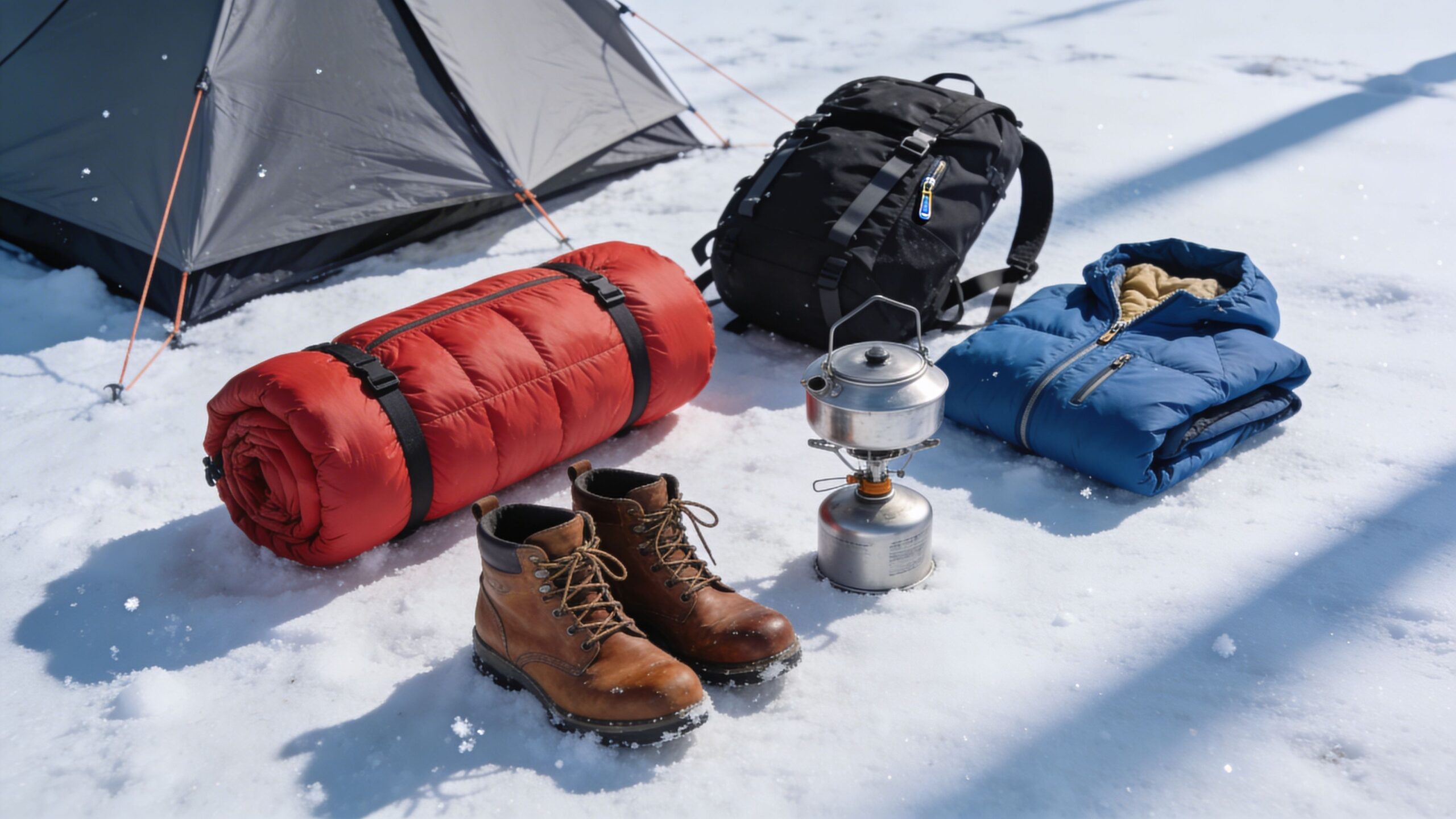
Cold weather camping demands a different level of preparation than any other outdoor experience. When temperatures drop, your margin for error shrinks, and the gear you bring becomes the difference between comfort and struggle. A forgotten item in summer might be inconvenient, but in winter, it can quickly turn into a serious problem. That’s why building a thoughtful, complete checklist is one of the most important steps before heading out. Winter camping isn’t just about bringing more gear—it’s about bringing the right gear. Every item should serve a purpose, whether it’s keeping you warm, dry, fueled, or safe. The goal is efficiency and reliability, not excess. When your equipment works together as a system, you create a foundation that allows you to focus on the experience rather than constantly managing discomfort.
A: A warm sleep system with a winter-rated sleeping bag and insulated pad is one of the biggest priorities.
A: Bring enough for hiking, camp, and at least one dry backup pair.
A: Not always, but a shelter built for wind, snow, and lower temperatures is much safer and more comfortable.
A: Gloves get wet easily, and cold hands make every camp task harder.
A: Yes, your body burns more energy in the cold, so extra calories are important.
A: Spare batteries, extra socks, and backup fire starters are among the most commonly missed items.
A: No, cotton holds moisture and loses warmth quickly once wet.
A: Use insulated bottles, store them upside down, and keep one close to your sleeping gear overnight.
A: They are not mandatory, but they are a smart comfort item for very cold trips.
A: A short, simple overnight with a complete gear checklist and mild conditions is the best place to start.
Your Shelter System: Building a Fortress Against Wind and Snow
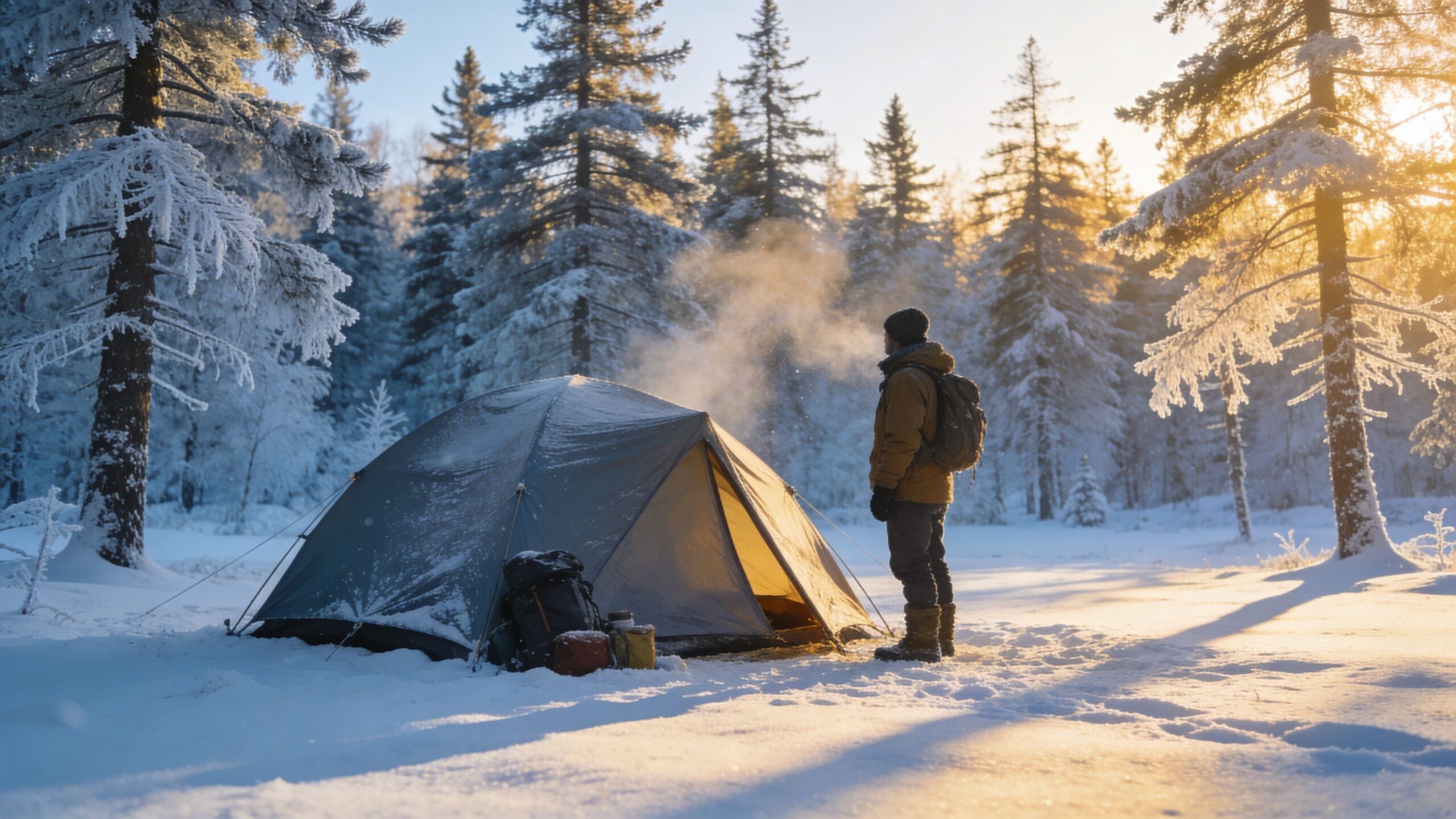
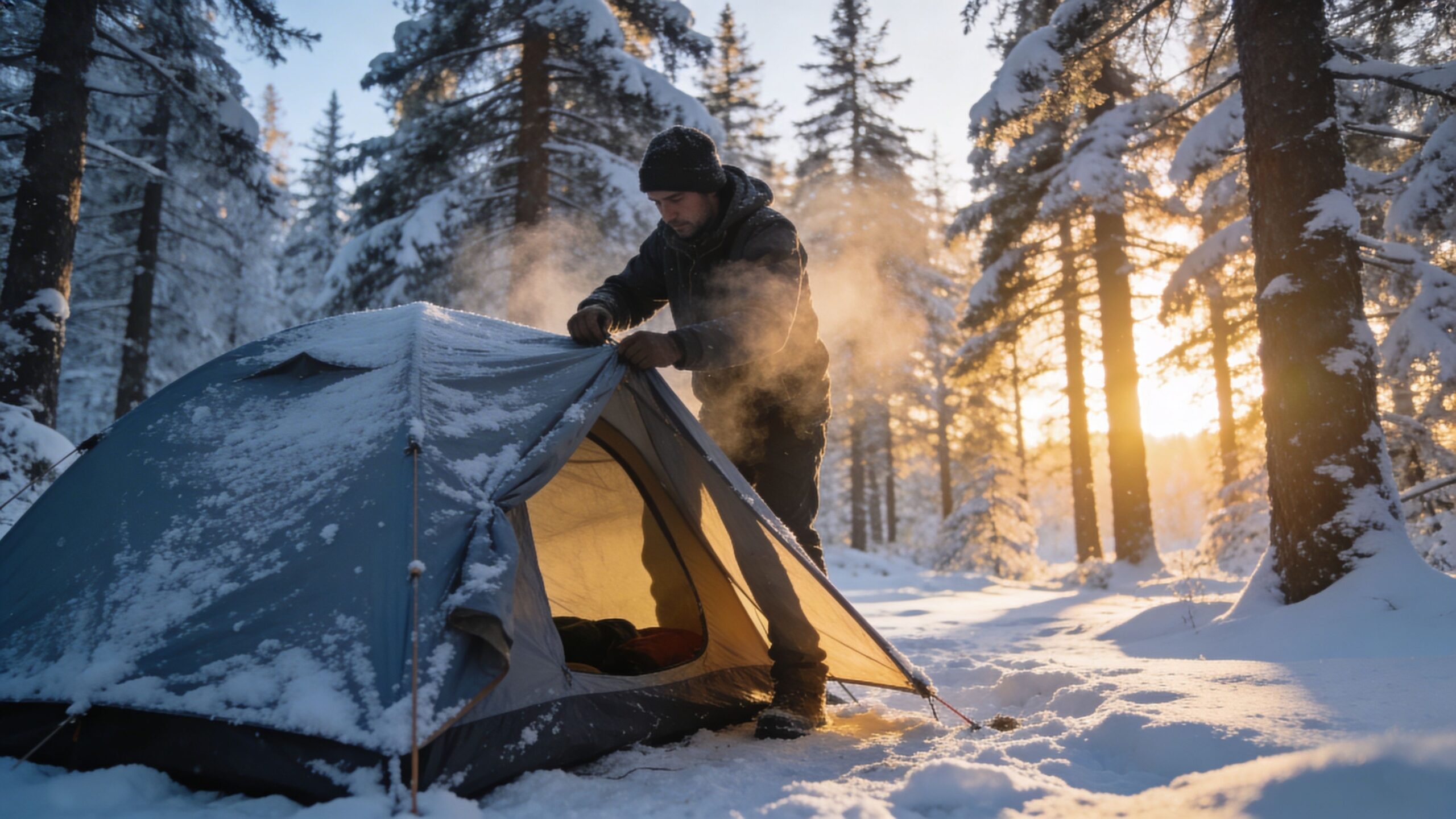
Your shelter is your first and most critical line of defense in winter camping. Unlike warmer seasons, where a basic tent might suffice, cold weather demands a structure that can handle wind, snow load, and freezing temperatures. A winter-rated tent provides stability and protection, ensuring that you have a reliable space to retreat to at the end of the day.
Equally important is what goes beneath you. The ground in winter acts as a powerful heat sink, pulling warmth away from your body. Insulated sleeping pads are essential, and many campers use a combination of foam and inflatable pads to maximize both warmth and comfort. This layered approach prevents heat loss and creates a barrier between you and the frozen ground.
Inside your shelter, organization becomes part of your system. Keeping essential items within reach and protected from moisture ensures that you’re not fumbling in the cold when you need something quickly. A well-prepared shelter setup doesn’t just protect you—it creates a sense of security that makes the entire experience more enjoyable.
The Sleep System Blueprint: Staying Warm Through the Long Winter Night
A good night’s sleep in winter conditions requires more than just a sleeping bag. It’s about creating a complete sleep system that works together to retain heat and manage moisture. Your sleeping bag should be rated for temperatures lower than what you expect to encounter, giving you a safety margin when conditions drop unexpectedly.
Layering extends into your sleep setup as well. Wearing dry, insulating clothing inside your sleeping bag helps trap heat, while keeping your head covered reduces heat loss. Small adjustments, like loosening tight clothing to improve circulation, can make a noticeable difference in comfort.
Managing moisture is one of the most overlooked aspects of winter sleep. Even minimal dampness can reduce insulation effectiveness. That’s why changing into dry clothes before bed is essential. Storing items like boots or water bottles inside your tent or sleeping bag can also prevent freezing and make your morning routine much easier.
When your sleep system is dialed in, winter nights become less about enduring the cold and more about resting comfortably in a quiet, frozen world.
Dressing for Survival and Comfort: The Layering System That Works
Clothing is not just about warmth—it’s about control. The layering system allows you to regulate your body temperature as conditions and activity levels change throughout the day. Instead of relying on a single heavy layer, you build a system that adapts to your needs.
The base layer manages moisture, pulling sweat away from your skin to keep you dry. The insulating layer traps heat, providing warmth during periods of low activity. The outer shell protects against wind and snow, acting as a barrier against the elements. Each layer has a specific role, and together they create a dynamic system that keeps you comfortable.
One of the most important habits in winter camping is adjusting your layers proactively. Removing a layer before you start sweating and adding one before you feel cold helps maintain balance. Accessories like gloves, hats, and neck coverings also play a significant role, as extremities are often the first areas to lose heat.
Mastering your clothing system transforms winter camping from a constant battle with the cold into a manageable and even enjoyable experience.
Fueling the Adventure: Food, Water, and Cooking Essentials
Cold weather camping requires more energy, and your body responds by burning more calories to stay warm. This makes food a central part of your checklist. High-calorie meals that are easy to prepare become essential, especially when temperatures make cooking more challenging.
Warm food provides both physical and psychological benefits. A hot meal at the end of the day can restore energy and boost morale, making the cold feel far less intense. Planning meals that are simple yet satisfying ensures you’re fueling your body without adding unnecessary complexity to your routine.
Hydration is equally important, even though the cold often suppresses thirst. Drinking regularly helps maintain energy levels and prevents dehydration, which can occur more quickly than expected in dry winter air. Melting snow for water is a common solution, but it requires sufficient fuel and time, so planning ahead is crucial.
Your cooking setup must be reliable in cold conditions. Stoves designed for winter use perform better at low temperatures, ensuring you can prepare food and melt snow without issues. When your food and water systems are reliable, you maintain the energy needed to fully enjoy your trip.
Tools and Safety Gear: Preparing for the Unexpected
Safety gear is the backbone of your winter camping checklist. The environment can change quickly, and having the right tools ensures you’re prepared for a range of situations. Navigation tools are essential, as snow can obscure trails and landmarks, making it easy to lose your way.
Lighting is another critical component. With shorter daylight hours, a dependable headlamp or flashlight allows you to continue tasks after dark and navigate safely around your campsite. Extra batteries are important, as cold temperatures can drain power more quickly.
Emergency supplies provide an additional layer of security. Items like a first aid kit, repair tools, and extra layers ensure that you can respond to unexpected challenges. Even something as simple as a multi-tool can become invaluable when dealing with gear adjustments or minor repairs.
Being prepared doesn’t mean expecting the worst—it means giving yourself the tools to handle whatever comes your way. This level of readiness allows you to approach winter camping with confidence rather than hesitation.
Small Essentials That Make a Big Difference
In winter camping, it’s often the smaller items that have the biggest impact on comfort. Hand warmers, for example, can provide quick relief during particularly cold moments. A thermos keeps liquids from freezing and ensures you have access to warm drinks throughout the day.
Foot care is another area where small details matter. Extra socks, properly insulated boots, and attention to keeping your feet dry can significantly improve your overall experience. Even minor discomfort can become magnified in cold conditions, so addressing these details is essential.
Organization also plays a role. Keeping your gear arranged in a way that makes sense for your routine reduces the need to search for items in the cold. This efficiency saves time and energy, both of which are valuable in winter environments.
These small additions may seem minor when packing, but they contribute to a smoother, more enjoyable experience once you’re out in the field.
Confidence Through Preparation: Turning Your Checklist Into a Winter Advantage
A well-built winter camping checklist is more than a packing guide—it’s a strategy for success. It allows you to anticipate challenges, prepare solutions, and approach your trip with confidence. Each item on your list serves a purpose, contributing to your overall comfort, safety, and enjoyment. For beginners, the checklist becomes a learning tool. With each trip, you refine it, adding items that improve your experience and removing those that aren’t necessary. Over time, your checklist evolves into a personalized system that reflects your style and preferences. Winter camping is not about having the most gear—it’s about having the right gear and knowing how to use it. When preparation meets experience, the cold becomes less of an obstacle and more of a backdrop to an incredible adventure. By taking the time to build and follow a thoughtful checklist, you set yourself up for success. Instead of reacting to the environment, you move through it with confidence, ready to embrace everything that winter camping has to offer.