Winter camping transforms the outdoors into a quiet, snow-covered world that feels both serene and intense. For first-timers, it’s a mix of excitement and uncertainty. The familiar rhythms of summer camping shift dramatically when temperatures drop, daylight shortens, and every action requires more intention. But with the right preparation, winter camping becomes less about enduring the cold and more about embracing a new kind of adventure. The key difference lies in awareness. Winter camping isn’t forgiving of oversight, but it rewards thoughtful preparation. You begin to notice how wind moves through a valley, how snow compacts under your boots, and how quickly your body temperature changes with activity. This heightened awareness becomes your greatest tool. Instead of reacting to discomfort, you learn to anticipate it, staying one step ahead of the elements and turning what could be a harsh experience into a deeply satisfying one.
A: Yes, if you start small, pick mild conditions, and prepare carefully with the right gear.
A: A warm sleep system with a proper sleeping bag and insulated pad is one of the biggest safety priorities.
A: Some can work, but they need to layer well and avoid moisture-trapping fabrics like cotton.
A: Weak ground insulation, damp clothes, poor nutrition, or an under-rated bag are common reasons.
A: Insulate bottles, store them upside down, and keep one near your sleeping bag overnight if needed.
A: Use dry layers, but avoid overstuffing your sleeping bag with bulky clothes that can reduce loft.
A: No, it helps with comfort, but your true warmth comes from proper clothing, shelter, and sleep gear.
A: A short overnight near your car or on an easy, familiar route is ideal for learning.
A: Start a little cool, vent layers early, and remove insulation before you overheat while moving.
A: Practice pitching your tent, using your stove, layering clothing, and organizing camp routines in cold weather.
The Cold Reality: Understanding Winter Conditions Before You Go
Before heading out, it’s essential to understand what winter conditions actually mean in practice. Cold temperatures alone don’t define the challenge—wind, moisture, and terrain all combine to create the true environment you’ll face. A calm 20-degree day can feel manageable, while a windy 30-degree day can feel far colder due to wind chill.
Snow also changes the landscape in ways that aren’t immediately obvious. Trails disappear, familiar landmarks are buried, and travel becomes slower and more physically demanding. Even short distances can take significantly longer to cover, which affects how you plan your route and your daily schedule. Daylight hours are shorter as well, meaning you have less time to set up camp and complete essential tasks.
Understanding these conditions ahead of time helps you make better decisions. Checking weather forecasts is just the beginning—you also need to consider recent snowfall, terrain features, and how conditions may change overnight. Winter environments are dynamic, and being informed allows you to approach them with confidence rather than uncertainty.
Building Your Cold-Weather Kit: Gear That Makes or Breaks the Trip
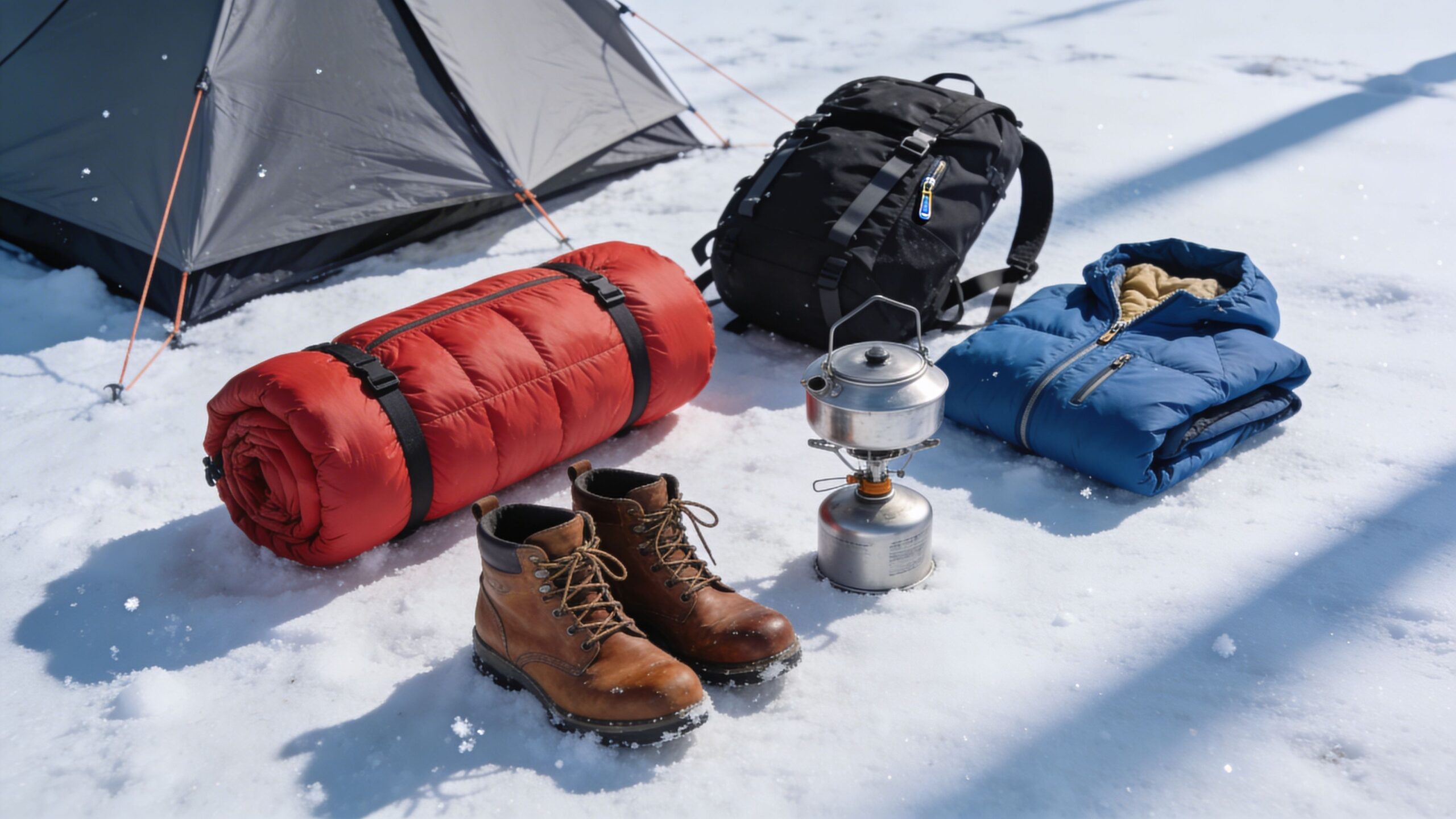
Gear selection plays a central role in your winter camping experience. While summer camping allows for some flexibility, winter demands reliability. Every piece of equipment must perform under cold conditions, and small shortcomings can quickly become major inconveniences.
Your shelter is your primary defense against the elements. A sturdy, weather-resistant tent designed for winter use can handle snow load and strong winds, providing a stable and secure place to rest. Equally important is your sleep system, which includes a sleeping bag rated for low temperatures and an insulated sleeping pad to prevent heat loss to the ground.
Clothing is another critical component. Instead of relying on a single heavy jacket, winter camping relies on a layering system that allows you to adapt to changing conditions. The ability to add or remove layers as your activity level changes helps you stay comfortable without overheating or becoming damp from sweat.
Even smaller items matter. Gloves that allow for dexterity, headwear that retains heat, and a reliable stove that functions in cold temperatures all contribute to your overall comfort. When your gear works with you instead of against you, winter camping becomes far more approachable and enjoyable.
Mastering Camp Setup: Creating a Safe and Comfortable Base
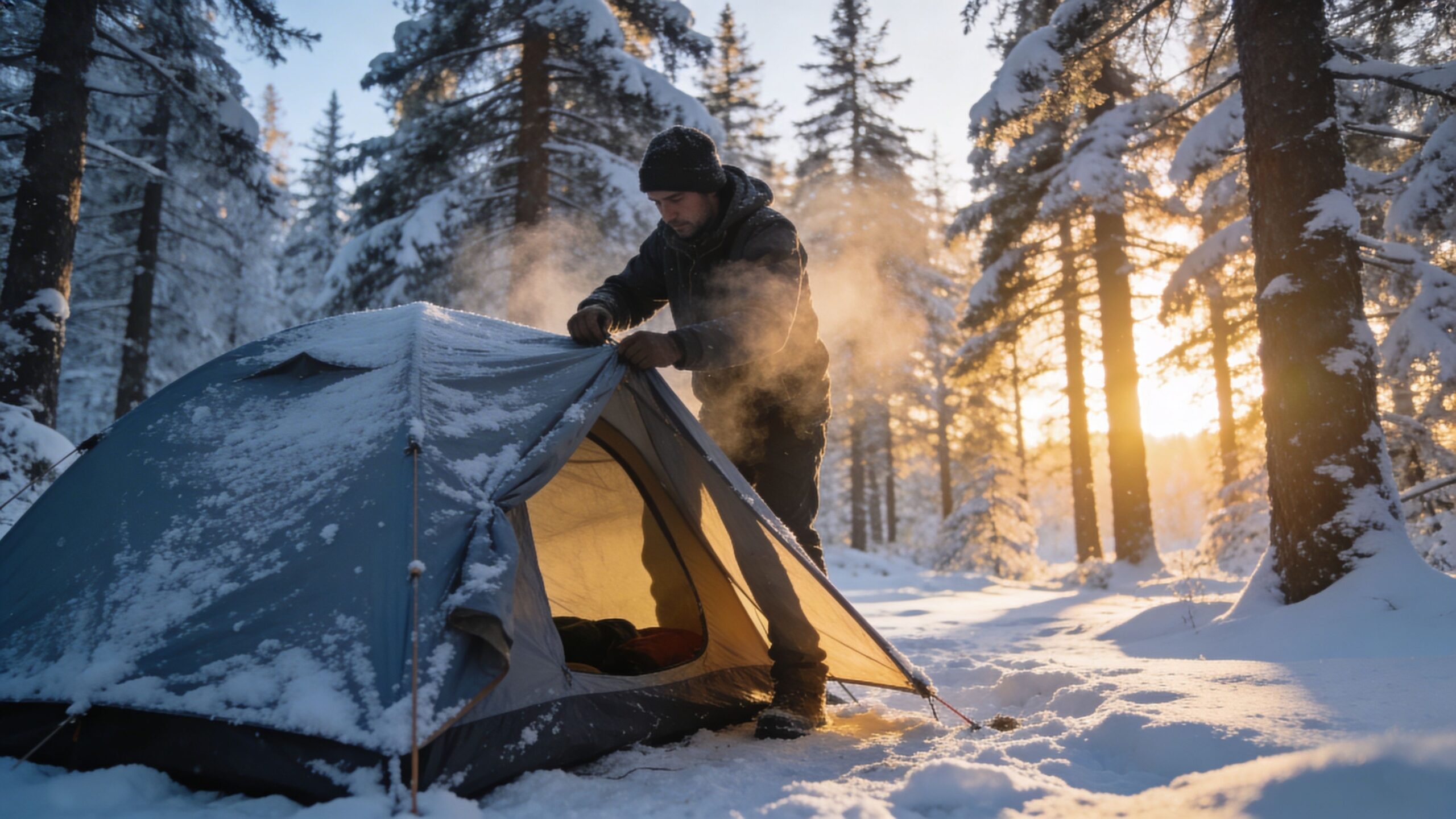
Setting up camp in winter requires a different approach than in warmer seasons. Snow-covered ground presents both challenges and opportunities, and knowing how to work with it is essential. The first step is preparing a stable surface. Packing down the snow creates a firm base that prevents your tent from sinking and improves overall comfort.
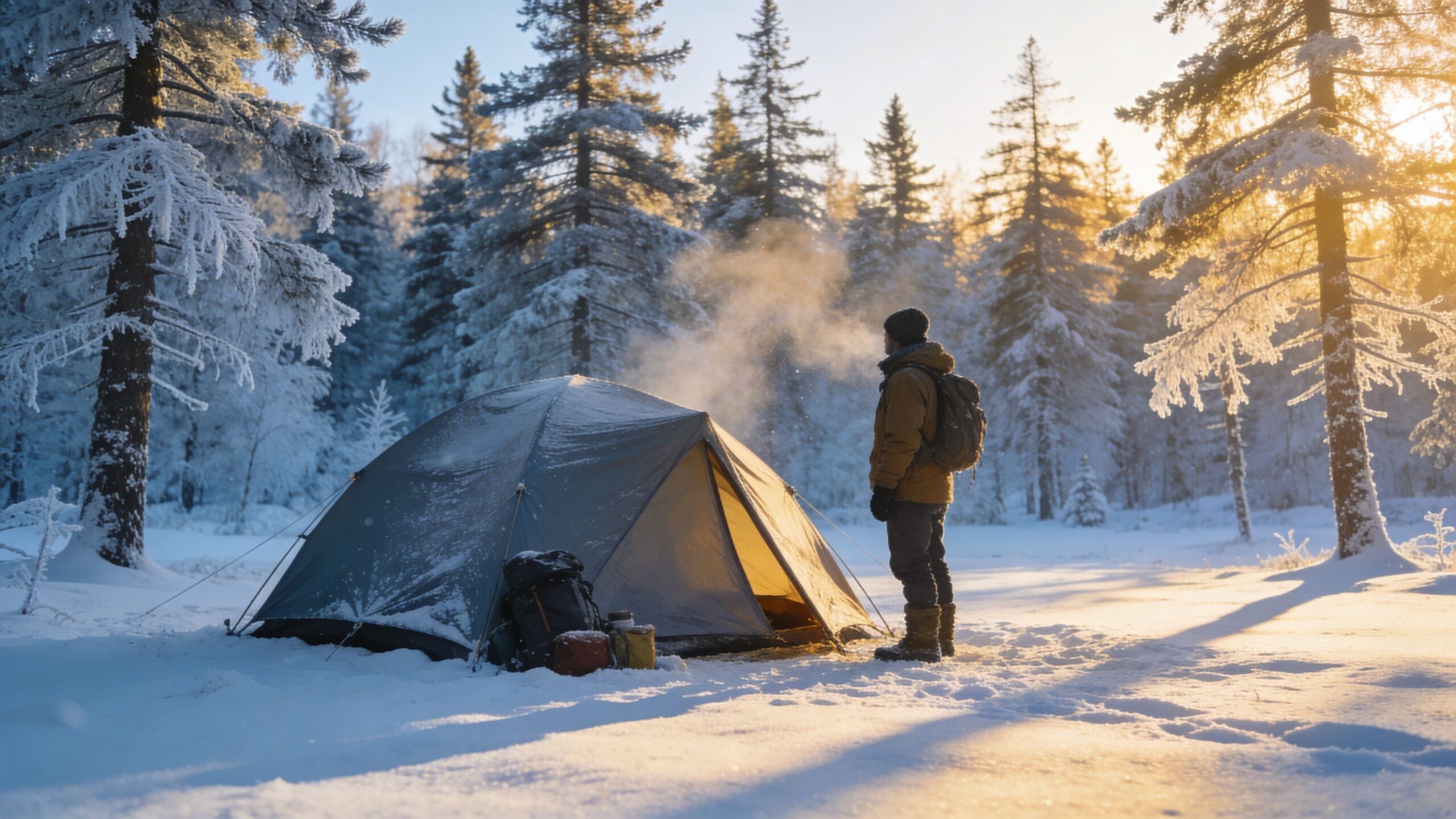
Location is equally important. Choosing a campsite that offers natural protection from wind can significantly improve your experience. Trees, ridges, or other terrain features can act as barriers, reducing exposure and helping maintain warmth. Avoiding areas where cold air settles, such as valleys or depressions, can also make a noticeable difference.
Once your tent is set up, organizing your space becomes key. Keeping essential items accessible and protected from snow ensures you’re not scrambling in the cold. Establishing a routine for tasks like cooking and gear management helps create a sense of order, which is especially valuable in an environment where conditions can change quickly.
A well-planned campsite doesn’t just provide shelter—it becomes a place where you can recharge, stay warm, and feel secure. Taking the time to set it up properly pays off throughout your trip.
Fueling the Body: Nutrition and Hydration in Cold Environments
Winter camping places greater demands on your body, making proper nutrition and hydration more important than ever. Your body burns more calories to maintain its core temperature, which means you’ll need to eat more than you might expect. High-energy foods that are easy to prepare and consume become essential.
Warm meals provide both physical and psychological benefits. The act of eating something hot can raise your body temperature and improve morale, especially after a long day in the cold. Planning meals that are simple yet satisfying helps ensure you’re getting the energy you need without adding unnecessary complexity.
Hydration can be surprisingly challenging in winter. The cold often reduces your sense of thirst, leading many beginners to drink less than they should. At the same time, dry air and increased exertion can lead to dehydration. Making a conscious effort to drink regularly is critical.
Melting snow for water is a common practice, but it requires time and fuel. Starting with a small amount of liquid water in your pot can speed up the process and prevent scorching. Managing your food and water effectively ensures that your body remains fueled and ready to handle the demands of the environment.
Staying Warm and Dry: The Balancing Act That Defines Winter Camping
One of the most important lessons in winter camping is that staying warm is closely tied to staying dry. Moisture, whether from sweat or external sources, can quickly lead to discomfort and even dangerous conditions. This is why managing your body temperature through proper layering and activity pacing is so important.
During periods of activity, such as hiking or setting up camp, it’s easy to overheat. Removing layers before you start sweating helps prevent moisture buildup. Once you stop moving, adding layers quickly helps retain heat and maintain comfort. This constant adjustment becomes a rhythm that defines your experience.
Foot care is another often-overlooked aspect. Keeping your feet dry and warm is essential for both comfort and safety. Changing socks as needed and ensuring your footwear is appropriate for winter conditions can make a significant difference.
Small habits, like airing out damp clothing or keeping certain items inside your sleeping bag to prevent freezing, contribute to your overall warmth. Winter camping isn’t about brute force against the cold—it’s about managing the details that keep you comfortable over time.
Navigating Risks: Safety Awareness in a Winter Landscape
Winter camping introduces a set of risks that require careful attention. Navigation becomes more challenging when trails are obscured by snow, and familiar landmarks may no longer be visible. Carrying navigation tools and knowing how to use them is essential.
Weather is another critical factor. Conditions can change rapidly, and being caught unprepared can turn a manageable situation into a difficult one. Monitoring forecasts and recognizing signs of changing weather helps you make informed decisions about when to continue and when to adjust your plans.
Cold-related conditions such as frostbite and hypothermia are real concerns, but they are also preventable with proper awareness. Recognizing early symptoms and taking immediate action can prevent these issues from escalating. Staying attentive to both your own condition and that of others in your group is a key part of winter safety.
Preparation doesn’t eliminate risk, but it significantly reduces it. By understanding the environment and respecting its challenges, you can navigate winter landscapes with confidence and care.
Embracing the Experience: Turning Your First Trip Into a Lasting Passion
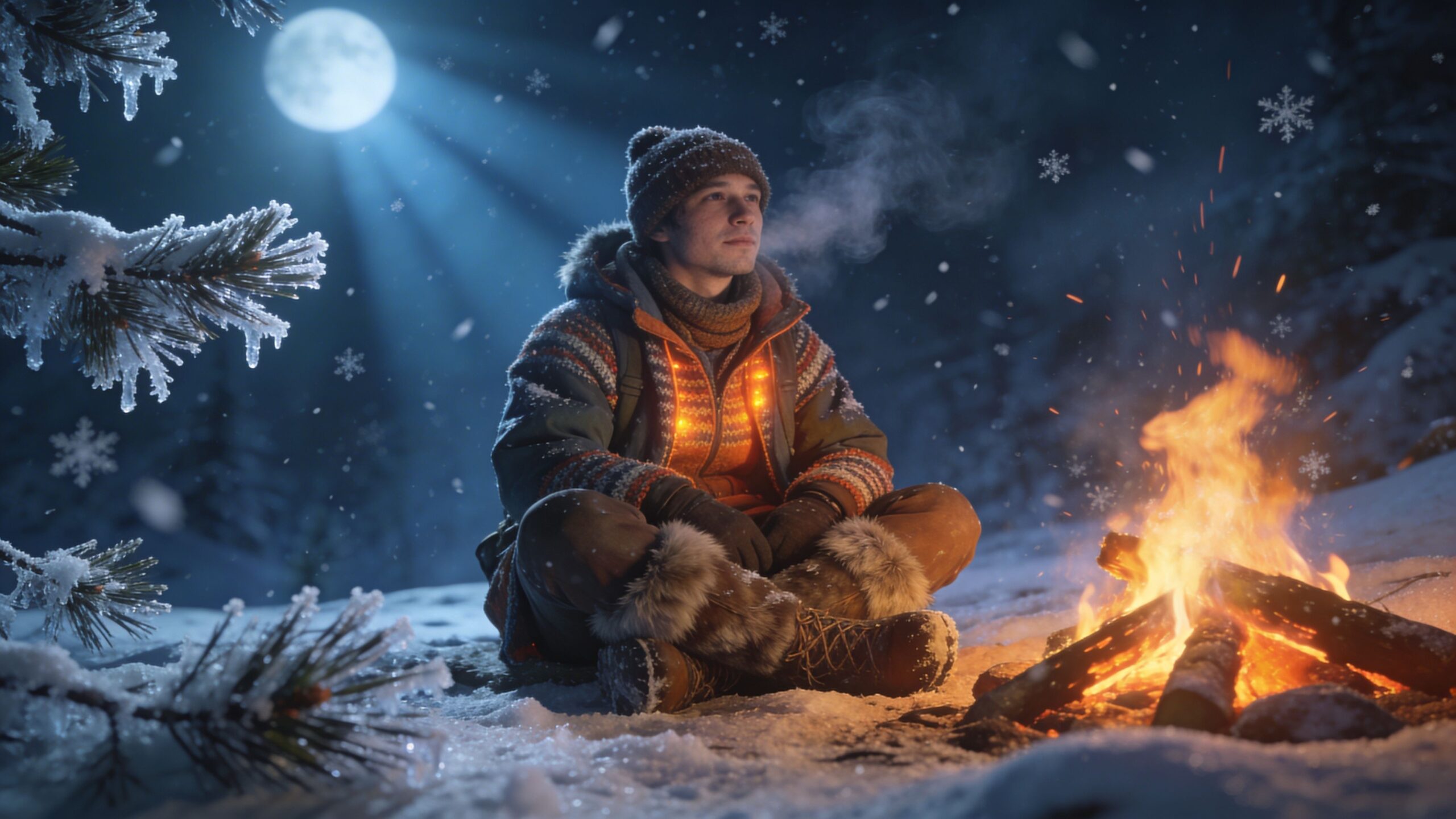
Your first winter camping trip is as much about mindset as it is about preparation. It’s an opportunity to step outside your comfort zone and experience the outdoors in a completely new way. The quiet of a snow-covered forest, the glow of a fire against a cold night, and the satisfaction of staying warm in challenging conditions all contribute to a unique and memorable experience. There will likely be moments of discomfort or uncertainty, but these are part of the learning process. Each challenge you overcome builds confidence and deepens your understanding of winter camping. Over time, what once felt intimidating becomes familiar, and the skills you develop become second nature. Winter camping has a way of changing how you see the outdoors. It reveals a side of nature that is often overlooked, offering beauty, solitude, and a sense of accomplishment that is hard to match. With the right preparation and a willingness to learn, your first trip can be the beginning of a lasting passion for exploring the frozen wilderness.