There is something timeless about stepping away from screens, routines, and crowded schedules and stepping into the quiet rhythm of nature. Family camping is not just a weekend activity—it is an experience that builds connection, resilience, and memories that last far beyond the trip itself. For beginners, the idea of camping can feel overwhelming, filled with questions about gear, safety, and logistics. But once you understand the fundamentals, it becomes one of the most rewarding and accessible ways to spend time together.Camping in freezing temperatures is less about enduring harsh conditions and more about understanding how to work with them. The difference between a miserable night and an unforgettable adventure often comes down to how well you manage your body heat. When you stay warm, everything improves—your energy, your mindset, your safety, and your ability to enjoy the experience. When you don’t, even simple tasks can feel overwhelming. Staying warm in cold environments is not a single action but a system. It involves your clothing, your shelter, your nutrition, and your habits throughout the day. Every decision contributes to how your body retains or loses heat. Beginners often assume that staying warm means adding more layers, but the reality is far more dynamic. It’s about balance—avoiding sweat, minimizing heat loss, and constantly adapting to your surroundings.
A: A short campground stay close to home with bathrooms, water, and easy access is usually the best place to start.
A: One or two nights is ideal for a first trip because it gives your family the experience without too much pressure.
A: No, you can start with basic essentials and upgrade later after learning what your family actually uses.
A: Comfortable layers, weather-ready outerwear, and dry sleep clothes work better than one heavy outfit.
A: Simple meals like sandwiches, pasta, foil dinners, fruit, and easy breakfasts keep camp cooking stress low.
A: Nature walks, scavenger hunts, campfire snacks, card games, and free play around camp usually work very well.
A: Bring rain gear, tarps, dry clothes, and a few simple tent activities so the trip can still be enjoyable.
A: Yes, when you choose a good campground, follow campground rules, store food properly, and supervise children carefully.
A: Use sleeping pads, warm layers, a bedtime routine, and familiar comfort items for kids like blankets or stuffed animals.
A: Overpacking complicated plans and underestimating setup time often makes first trips harder than they need to be.
Choosing the Perfect First Campsite for Your Family
The foundation of a great camping trip begins with selecting the right campsite. For beginners, simplicity and accessibility are key. While remote backcountry sites may seem appealing, starting with a developed campground can make the experience far smoother and more enjoyable for everyone involved.
Look for campgrounds that offer basic amenities such as restrooms, potable water, and designated fire pits. These features reduce complexity and allow you to focus on enjoying the experience rather than troubleshooting unexpected challenges. State parks and national parks are often excellent options because they combine scenic beauty with well-maintained facilities.
Location also matters. Consider how far you are willing to travel, especially with children. A campsite within a two- to three-hour drive is ideal for a first trip, minimizing fatigue and allowing more time to settle in. Pay attention to weather conditions, elevation, and terrain. A shaded site near water can provide comfort during warmer months, while open areas may be better in cooler seasons.
Finally, think about activities nearby. Trails, lakes, and open spaces give children room to explore and keep everyone engaged. A campsite that balances relaxation and adventure creates the perfect environment for a memorable first outing.
Building Your Essential Camping Gear Foundation
One of the most common concerns for beginners is knowing what to bring. While the list of possible gear can feel endless, focusing on essentials will keep things manageable and effective. The goal is not to have everything—it is to have the right things.
At the center of your setup is your shelter. A family-sized tent with enough room for everyone to sleep comfortably is crucial. Look for one that is easy to set up, especially if you are new to camping. Practice setting it up at home before your trip to avoid frustration at the campsite.
Sleeping comfort is equally important. Sleeping bags suited to the expected temperature, along with sleeping pads or air mattresses, can make a significant difference in how well everyone rests. Poor sleep can quickly turn a fun trip into a challenging one, especially for children.
Cooking equipment should be simple and efficient. A portable stove, basic cookware, and reusable utensils are usually sufficient. Pair this with a cooler for perishable items and a storage system for dry goods. Lighting, such as lanterns or headlamps, ensures visibility after sunset, while a first aid kit provides peace of mind in case of minor injuries.
By focusing on these core elements, you create a setup that supports comfort, safety, and enjoyment without unnecessary complexity.
Planning Meals That Keep Everyone Happy and Energized
Food plays a central role in the camping experience, and thoughtful planning can elevate the entire trip. For families, the goal is to keep meals simple, satisfying, and easy to prepare while minimizing cleanup and stress.
Start by planning meals in advance. Choose dishes that require minimal preparation and use overlapping ingredients to reduce what you need to pack. Breakfast might include items like oatmeal or eggs, while lunches can be as simple as sandwiches or wraps. Dinner is often the highlight, with options such as grilled meats, pasta, or foil packet meals cooked over a fire or stove.
Snacks are just as important, especially for children who may be more active outdoors than usual. Bring a variety of options that are easy to grab and eat, such as fruit, granola bars, and trail mix. Hydration should also be a priority, so ensure you have enough water for drinking and cooking.
Cooking at the campsite can be a shared activity that brings the family together. Assigning small tasks to children not only helps but also gives them a sense of involvement and accomplishment. When meals are approached as part of the adventure rather than a chore, they become one of the most enjoyable aspects of the trip.
Packing Smart: Organizing for a Stress-Free Experience
Packing for a camping trip is both an art and a science. The goal is to bring everything you need without overloading your vehicle or creating unnecessary clutter at the campsite. Organization is the key to achieving this balance.
Start by grouping items into categories such as shelter, cooking, clothing, and personal items. Using bins or labeled bags can make it easier to find what you need quickly. This is especially helpful when setting up camp or preparing meals.
Clothing should be chosen based on the expected weather and layered for versatility. Even in warm conditions, temperatures can drop significantly at night, so having extra layers is essential. Comfortable shoes for walking or hiking are also important.
Do not forget items that enhance comfort and convenience. Folding chairs, a small table, and blankets can make your campsite feel more inviting. At the same time, avoid overpacking by focusing on items that serve a clear purpose.
By approaching packing with intention and organization, you reduce stress and create a more enjoyable experience from the moment you arrive at your campsite.
Setting Up Camp Like a Pro
Arriving at your campsite is an exciting moment, but it can also be a bit overwhelming if you are not sure where to start. Having a clear plan for setting up camp can make the process smooth and efficient.
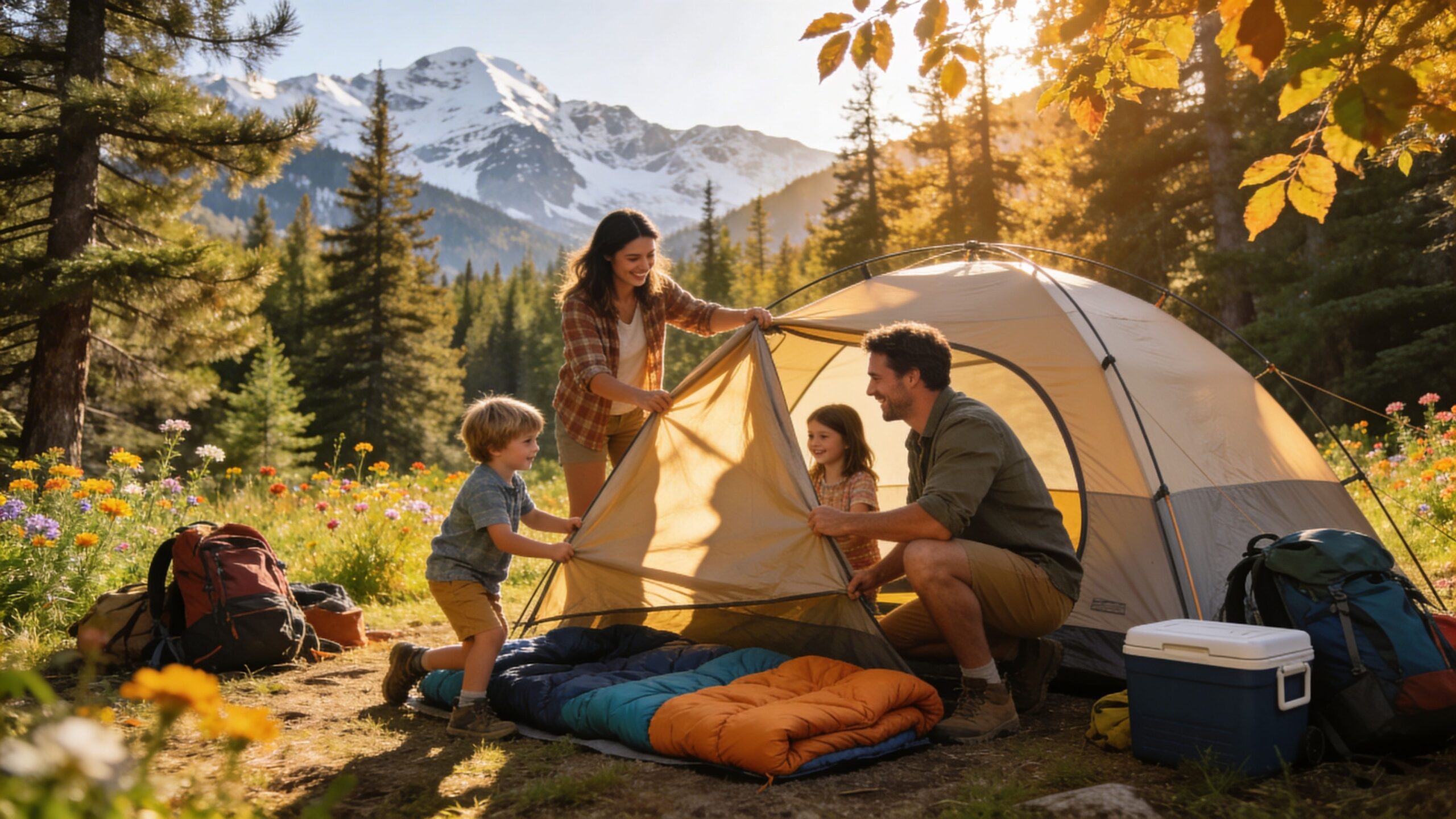
Begin by choosing the best spot within your campsite. Look for level ground for your tent and avoid areas where water might collect if it rains. Position your tent so that the entrance faces away from prevailing winds for added comfort.
Next, set up your shelter. As mentioned earlier, practicing at home can make this step much easier. Once the tent is in place, arrange your sleeping area inside to maximize space and comfort.
After your shelter is ready, focus on your cooking and common areas. Set up your stove or fire pit in a safe location, keeping it away from flammable materials. Organize your food and cooking supplies so they are easily accessible. Creating a central gathering area with chairs and lighting can turn your campsite into a welcoming space where everyone can relax.
Taking the time to set up your campsite thoughtfully not only improves functionality but also enhances the overall experience.
Keeping Kids Engaged and Excited Outdoors
One of the greatest benefits of family camping is the opportunity for children to explore and engage with the natural world. However, keeping them entertained and interested requires a bit of creativity and planning.
Encourage exploration by introducing simple activities such as nature walks, scavenger hunts, or stargazing. These activities do not require elaborate equipment and can be adapted to different age groups. Allowing children to take the lead in certain activities can also boost their confidence and curiosity.
Unstructured time is equally valuable. Giving kids the freedom to play, build, and imagine fosters creativity and independence. Whether they are collecting rocks, observing insects, or simply running around, these moments contribute to a richer experience.
Involving children in daily tasks, such as setting up camp or preparing meals, can also keep them engaged. When they feel like active participants rather than passive observers, they are more likely to enjoy the trip and develop a lasting appreciation for camping.
Safety, Comfort, and Confidence in the Outdoors
Safety is a fundamental aspect of any camping trip, especially for beginners. While the outdoors can present challenges, being prepared and aware can significantly reduce risks and increase confidence.
Start by familiarizing yourself with the area where you will be camping. Understanding local wildlife, weather patterns, and terrain helps you anticipate potential issues. Keep a first aid kit on hand and ensure that at least one adult knows basic first aid procedures.
Fire safety is another important consideration. Always follow campground rules regarding fires, keep them contained, and never leave them unattended. Proper food storage is also essential to prevent attracting wildlife.
Comfort is closely tied to safety. Staying warm, dry, and well-rested helps everyone remain in good spirits and better equipped to handle unexpected situations. Checking weather forecasts and preparing accordingly can make a significant difference.
By prioritizing safety and comfort, you create an environment where everyone can relax and enjoy the experience with confidence.
Ending Strong: Packing Up and Planning Your Next Adventure
As your camping trip comes to an end, taking the time to pack up thoughtfully ensures a smooth transition back home and sets the stage for future adventures. Start by cleaning your campsite and disposing of waste properly. Following the principle of leaving no trace helps preserve natural spaces for others to enjoy. Packing up can be an opportunity to involve the entire family. Assigning tasks such as taking down the tent or organizing gear can make the process quicker and more efficient. It also reinforces a sense of responsibility and teamwork. Before leaving, take a moment to reflect on the experience. What worked well? What could be improved? These insights will help you plan future trips with greater confidence and ease. The end of one camping trip is often the beginning of the next. As you gain experience, you may find yourself exploring new locations, trying new activities, and building a tradition that becomes an integral part of your family’s lifestyle. Camping, at its core, is not just about where you go—it is about the journey you share together.