Glamping has quickly become one of the most appealing ways to experience the outdoors, offering a balance between adventure and comfort that traditional camping simply cannot match. But one of the first questions travelers ask is simple: how much does glamping actually cost? The answer, like most things in travel, depends on a variety of factors including location, accommodation style, season, and amenities. In 2026, glamping prices range widely, from affordable weekend escapes to high-end luxury retreats that rival boutique hotels. Unlike traditional camping, where costs are relatively predictable, glamping introduces a layered pricing structure that reflects both the experience and the environment. You’re not just paying for a place to sleep—you’re paying for design, convenience, exclusivity, and immersion in nature.
A: Usually yes, because you are paying for furnished lodging, amenities, and convenience rather than just a campsite.
A: Location, season, accommodation style, privacy, amenities, and added fees usually have the biggest impact.
A: Often yes; weekday stays are commonly more affordable and easier to book than weekends.
A: Simpler yurts, bell tents, and basic small cabins are often more affordable than domes, treehouses, or luxury cabins.
A: Treehouses, designer domes, and high-end cabins in premium destinations are often among the priciest options.
A: Many do, including cleaning fees, service fees, occupancy taxes, pet fees, and add-ons like firewood or breakfast.
A: For many travelers, yes—especially if comfort, scenery, and convenience matter more than doing everything yourself.
A: Yes, especially in off-peak seasons, on weekdays, or in lesser-known regions with simpler accommodations.
A: Both matter, but a famous destination can raise prices dramatically even for more basic glamping setups.
A: Compare the full trip cost, what is included, the quality of the setting, and how much effort the stay saves you.
Entry-Level Glamping: Affordable Escapes Without Sacrificing Comfort
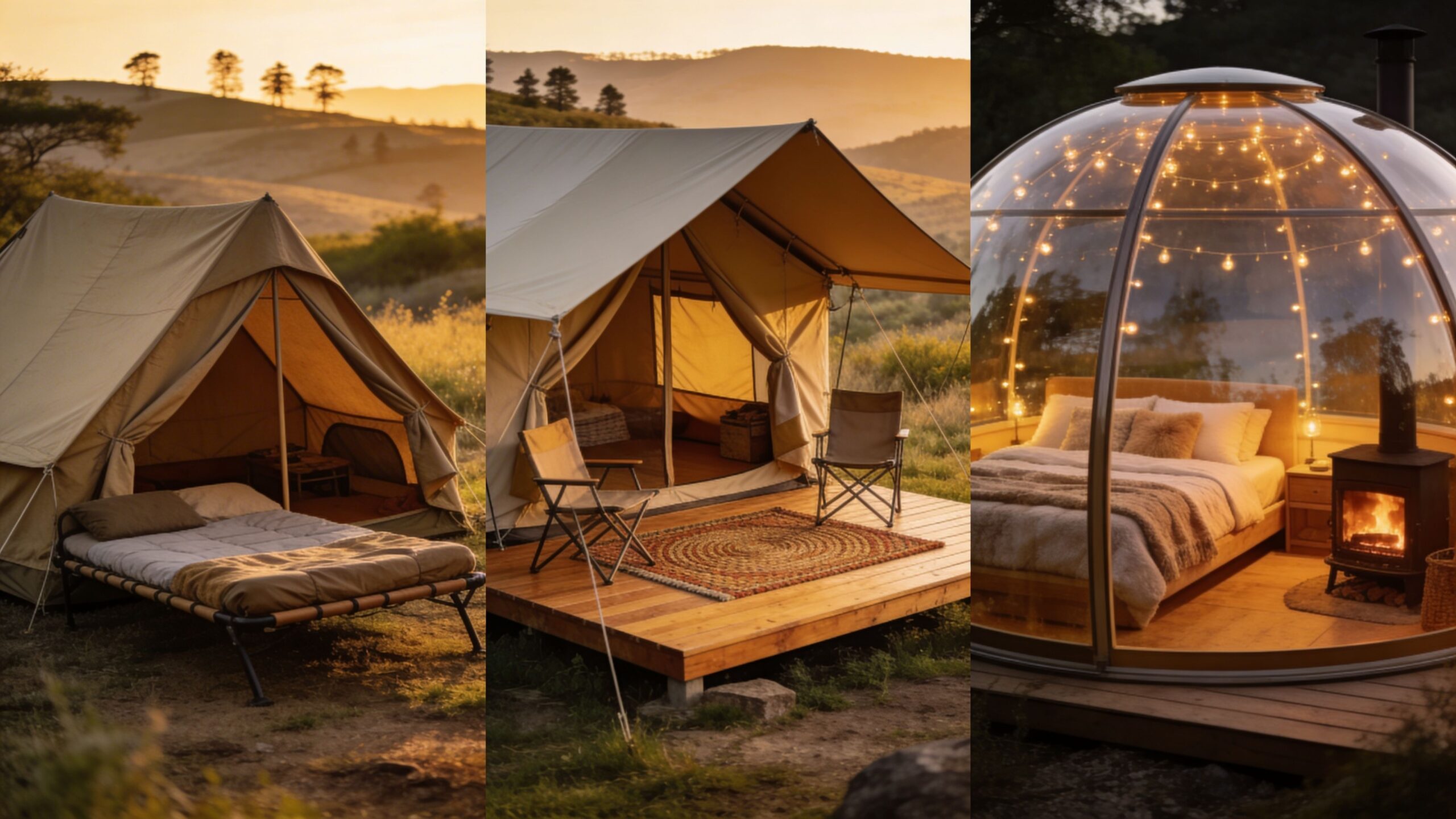
For travelers curious about glamping but hesitant about the price, entry-level options provide an accessible starting point. These accommodations typically range from around $75 to $150 per night, making them comparable to budget hotels or mid-range Airbnb stays.
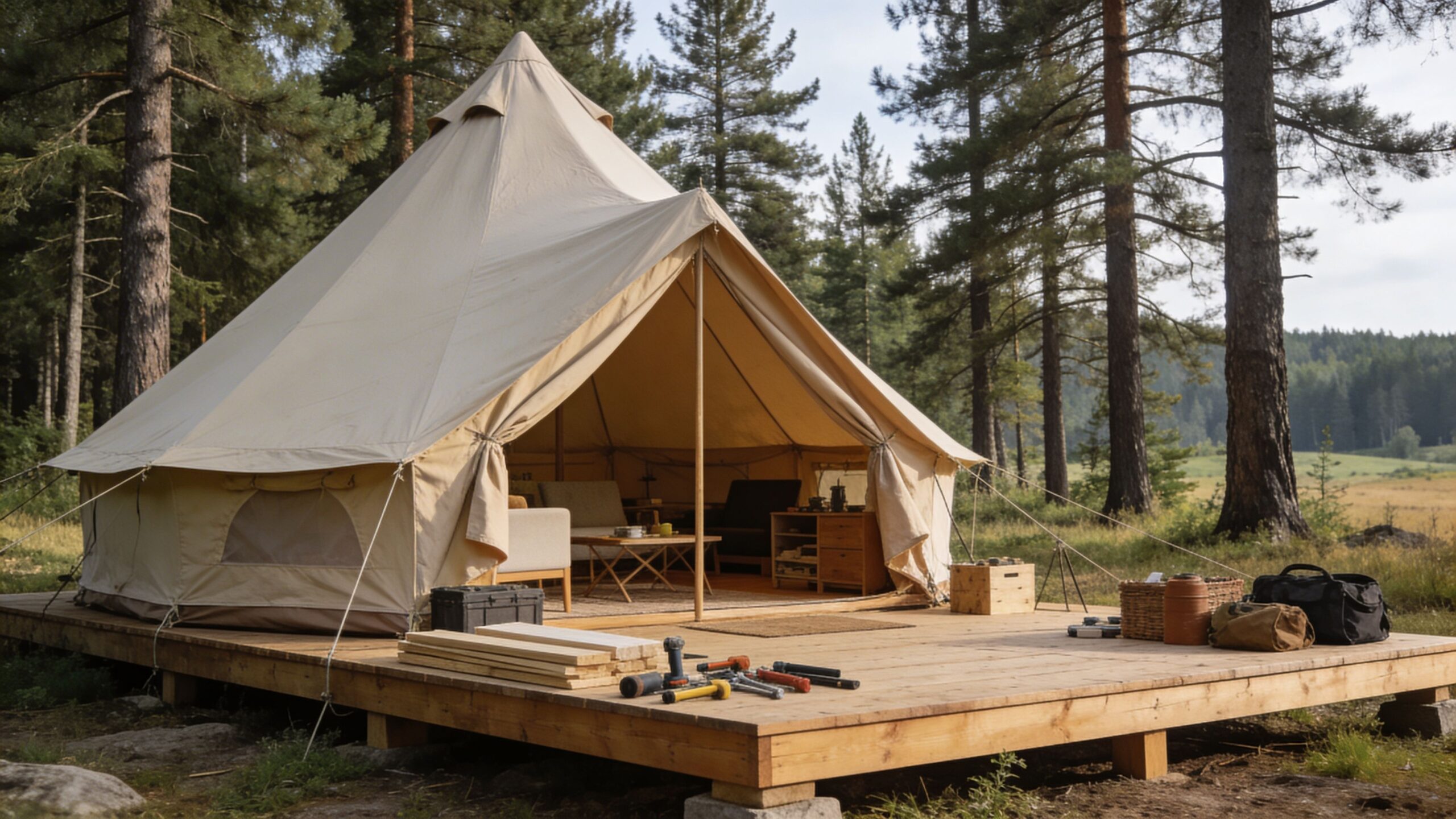
Entry-level glamping often includes furnished tents, simple cabins, or yurts with basic amenities. While you may not find luxury finishes or full-service offerings, you can still expect a comfortable bed, weather protection, and a thoughtfully designed space. Bathrooms may be shared, and climate control might be limited, but the overall experience remains far more comfortable than traditional camping.
These options are commonly found in state parks, regional campgrounds, and emerging glamping destinations. They are ideal for weekend trips, solo travelers, or couples looking to try something new without committing to a higher price point. The value lies in the ability to enjoy nature without investing in expensive gear or sacrificing basic comfort.
Entry-level glamping demonstrates that luxury is not a requirement for a memorable outdoor experience. Even at a lower price point, the combination of convenience and setting creates a unique and enjoyable escape.
Mid-Range Glamping: Where Comfort Meets Style
Mid-range glamping represents the sweet spot for many travelers, offering a balance between affordability and elevated comfort. Prices in this category typically fall between $150 and $350 per night, depending on the location and amenities.
At this level, accommodations become more refined. Guests can expect private bathrooms, climate control, and upgraded furnishings. Safari tents with wooden floors, stylish cabins with modern interiors, and geodesic domes with panoramic views are common in this category. The design becomes more intentional, creating a space that feels both functional and visually appealing.
Amenities often expand to include outdoor seating areas, fire pits, and sometimes even hot tubs or soaking tubs. Some locations also offer additional services such as breakfast, guided activities, or concierge support. These features enhance the overall experience, making it more immersive and relaxing.
Mid-range glamping is particularly popular in well-known destinations such as national park regions, coastal areas, and scenic mountain locations. It appeals to travelers who want a memorable experience without reaching into luxury-level pricing. For many, this category provides the best value, combining comfort, style, and access to stunning environments.
Luxury Glamping: High-End Experiences in Nature
At the top end of the spectrum, luxury glamping transforms the outdoor experience into something truly extraordinary. Prices in this category typically start around $350 per night and can exceed $1,000 depending on the exclusivity and level of service. Luxury glamping accommodations are designed to rival high-end hotels. Guests can expect spacious interiors, premium materials, and carefully curated decor. Beds are often comparable to those found in luxury resorts, and bathrooms may include features such as rainfall showers, heated floors, and designer fixtures. Service is a defining characteristic of this category. Many luxury glamping sites offer on-site dining, private chefs, spa treatments, and personalized experiences. Activities may include guided excursions, wellness programs, and curated adventures tailored to the guest’s preferences. Locations are often chosen for their exclusivity and natural beauty. Remote desert landscapes, secluded mountain valleys, and pristine coastal areas are common settings. The goal is to create an experience that feels both private and extraordinary. While the cost is significantly higher, luxury glamping delivers a level of comfort and service that goes beyond traditional travel. It is often chosen for special occasions, such as anniversaries or milestone trips, where the experience itself becomes the highlight.
How Location Impacts Glamping Prices Across the U.S.
Location plays a major role in determining glamping costs, often influencing prices as much as the accommodation itself. In the United States, different regions offer distinct pricing patterns based on demand, accessibility, and natural appeal.
In the Southwest, particularly in areas like Utah and Arizona, glamping prices can vary widely. Entry-level options are relatively affordable, but high-demand locations near iconic landscapes can command premium rates. The dramatic scenery and popularity of national parks contribute to higher pricing, especially during peak seasons.
Mountain destinations such as Colorado, Montana, and Wyoming often fall into the mid-to-high price range. The combination of scenic beauty and year-round appeal drives demand, particularly in areas near ski resorts or national parks. Winter pricing can increase significantly due to the added appeal of snow-covered landscapes.
Coastal regions, especially in California, tend to be among the most expensive. Ocean views and limited availability drive up prices, making even mid-range accommodations more costly. However, these locations also offer some of the most visually striking experiences, which many travelers find worth the investment.
In the Southeast and Midwest, glamping can be more affordable. States with abundant natural areas but lower tourism pressure often provide better value. These regions are ideal for travelers looking to experience glamping without paying premium destination prices.
Understanding regional pricing trends can help you choose a destination that aligns with your budget while still delivering the experience you want.
Seasonal Pricing: When You Go Matters as Much as Where
Seasonality is another critical factor in glamping costs. Like most travel experiences, prices fluctuate based on demand, weather, and local events. Knowing when to go can significantly impact how much you pay.
Peak seasons, such as summer and major holidays, typically see the highest prices. During these times, demand is at its peak, and availability can be limited. Popular destinations often book out months in advance, and prices reflect the increased interest.
Shoulder seasons, which fall between peak and off-peak periods, offer a balance of good weather and lower prices. Spring and fall are particularly appealing in many regions, providing comfortable conditions and fewer crowds. These seasons often represent the best value for travelers.
Off-season travel can offer the lowest prices, but it comes with trade-offs. Weather conditions may be less favorable, and some amenities or activities may be limited. However, for those willing to adapt, off-season glamping can provide a quieter and more affordable experience.
Timing your trip strategically can make a significant difference in overall cost, allowing you to enjoy a high-quality experience at a more accessible price point.
Hidden Costs and What to Watch For
While the nightly rate is the most visible cost, there are often additional expenses that travelers should consider. Understanding these potential costs can help you avoid surprises and plan more effectively. Service fees and cleaning fees are common in many glamping properties, particularly those booked through online platforms. These charges can add a noticeable amount to the total cost, especially for shorter stays.
Activities and add-ons can also increase the overall price. Guided tours, equipment rentals, and wellness experiences are often optional but can enhance the trip. It’s important to factor these into your budget if you plan to take advantage of them.
Food and dining are another consideration. Some glamping sites include meals, while others require guests to bring their own supplies or purchase food on-site. The level of convenience you choose will influence your overall spending. Transportation costs can also play a role, particularly for remote locations. Travel time, fuel, and potential rental vehicles should all be considered when calculating the total cost of your trip. By accounting for these additional expenses, you can gain a clearer picture of what your glamping experience will truly cost.
Is Glamping Worth the Price? A Value Perspective
The question of whether glamping is worth the cost ultimately comes down to value. While it is generally more expensive than traditional camping, it offers benefits that go beyond basic accommodation. Glamping provides convenience, eliminating the need for extensive preparation and equipment. It offers comfort, allowing you to enjoy nature without sacrificing rest and relaxation. It also delivers a curated experience, combining design, location, and service in a way that traditional camping does not.
For many travelers, these benefits justify the higher price. The ability to immerse yourself in nature while enjoying modern comforts creates a unique and memorable experience. It transforms the outdoors into something accessible and enjoyable for a wider audience.
At the same time, glamping is not a replacement for camping. Each offers its own value, and the choice depends on your priorities. If you seek adventure and simplicity, camping may be the better option. If you value comfort and convenience, glamping provides a compelling alternative.
Planning Your Perfect Glamping Budget for 2026 and Beyond
As glamping continues to grow in popularity, understanding its cost structure becomes increasingly important. With options ranging from budget-friendly escapes to luxury retreats, there is something for every type of traveler. The key to planning a successful glamping trip is alignment. Matching your budget with your expectations ensures that you get the most out of your experience. Whether you choose an entry-level stay or a high-end retreat, the goal is to create a trip that feels both rewarding and enjoyable. Research, timing, and flexibility all play a role in finding the right option. By exploring different styles, locations, and seasons, you can discover opportunities that offer both value and quality. The variety within glamping means that there is no single “right” choice—only the one that fits your needs. In 2026, glamping stands as one of the most dynamic and exciting segments of travel. Its ability to combine nature, comfort, and creativity makes it a compelling option for modern explorers. With the right approach, you can experience the best of what glamping has to offer while staying within your budget and creating memories that last long after the trip ends.