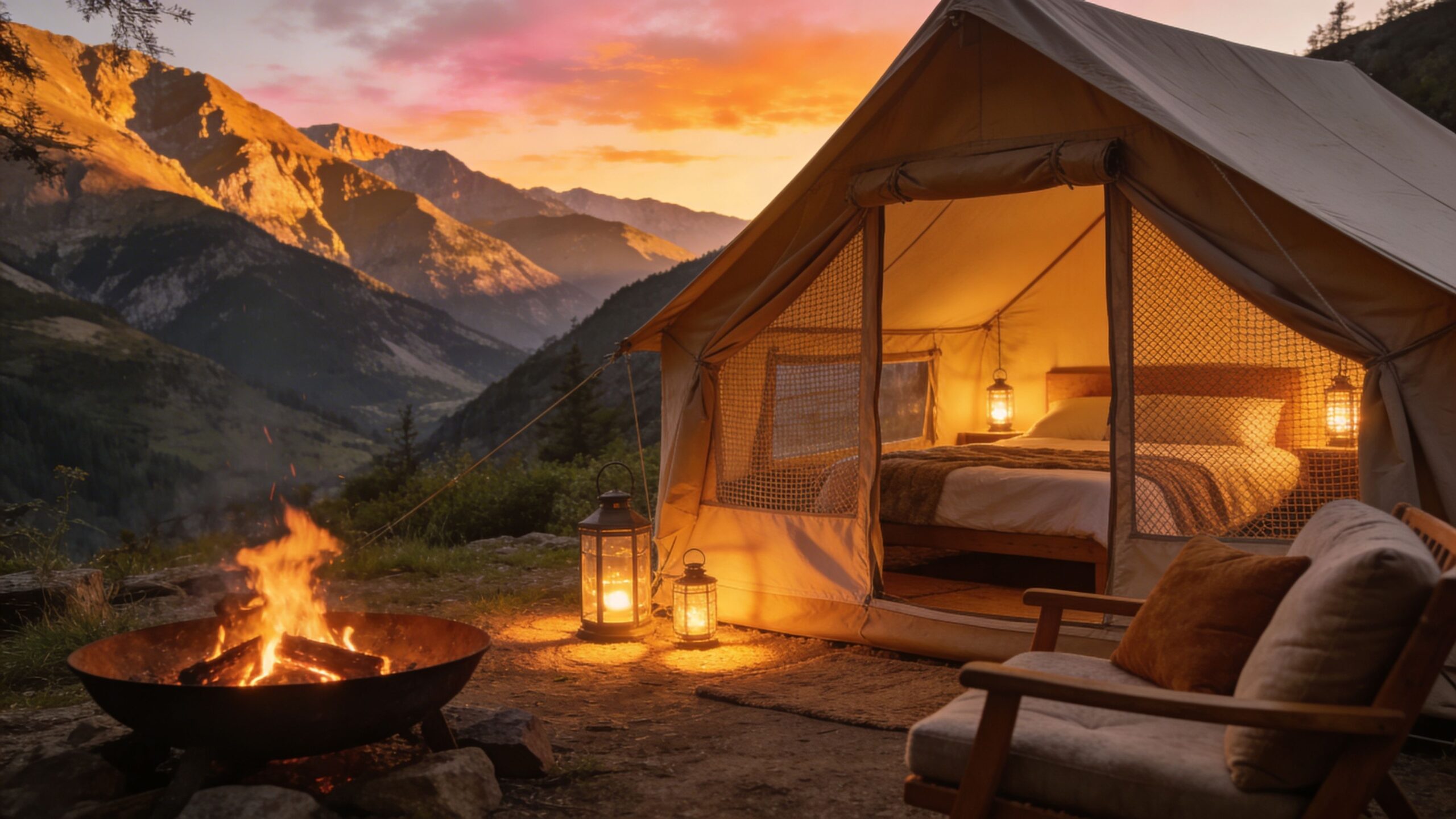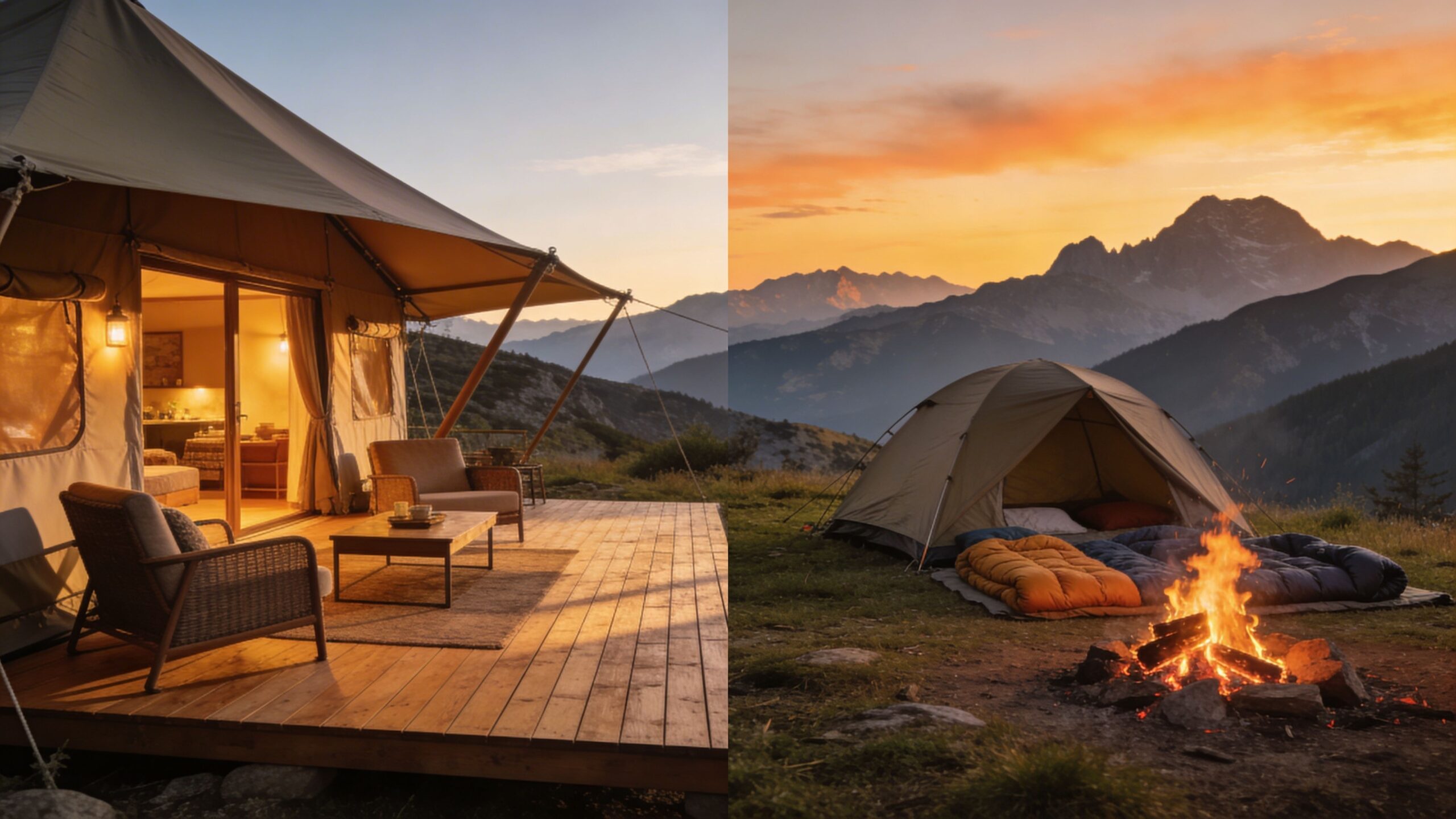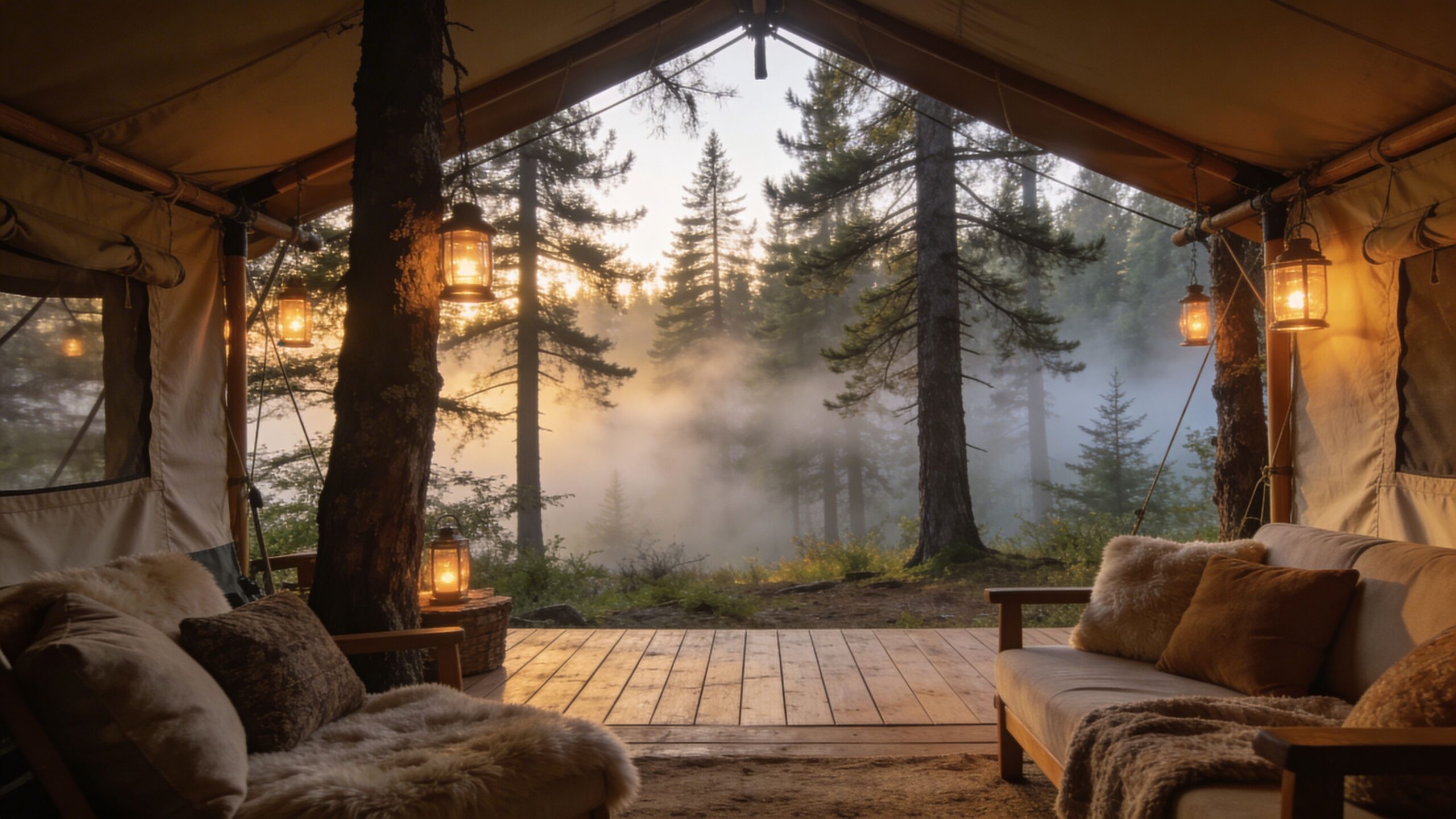
Glamping begins long before you set up a tent or book a property—it starts with a vision. Unlike traditional camping, where the focus is primarily on function, glamping is about creating an experience. It blends the raw beauty of nature with intentional comfort, style, and atmosphere. Whether you’re planning a personal getaway setup or considering launching a glamping site, the foundation lies in understanding what kind of experience you want to deliver. In 2026, glamping has evolved into a highly creative space where design, location, and lifestyle intersect. Some setups lean toward minimalist luxury in remote landscapes, while others embrace cozy, rustic charm in forest settings. The first step is deciding what environment excites you most and how you want people to feel when they arrive. Is it peaceful and secluded, adventurous and bold, or warm and inviting?
A: Start by choosing your location and deciding what kind of comfort level and setup style you want.
A: Bell tents and simple canvas tents are often the easiest place to start because they balance style, space, and setup simplicity.
A: No; a comfortable bed setup, lighting, and a few functional extras can create a strong beginner setup without overspending.
A: Comfort, layout, atmosphere, and thoughtful details are what push a setup from basic camping into glamping.
A: Start with the indoor sleeping setup first, then build an outdoor lounge area to complete the experience.
A: Prioritize sleep quality, weather protection, seating, lighting, and easy access to daily essentials.
A: Yes, especially if you want to enjoy nature without the rougher, more gear-heavy side of traditional camping.
A: Not necessarily; many great setups use rechargeable lights, portable power stations, and simple off-grid comfort solutions.
A: Focus on comfort and function first, then add only a few details that improve mood and usability.
A: Trying to add too much too fast instead of building a simple, comfortable, weather-ready space that actually works.
Choosing the Perfect Location: The Foundation of Every Great Setup
Location is the single most important factor in any glamping experience. It shapes the atmosphere, influences the design, and ultimately determines how guests interact with the space. A well-chosen location can elevate even the simplest setup, while a poor one can limit the potential of even the most luxurious design.
Start by considering the type of environment you want to work with. Deserts offer wide-open views and dramatic sunsets, mountains provide elevation and fresh air, forests create a sense of seclusion, and coastal areas deliver calming ocean energy. Each setting comes with its own advantages and challenges, from weather conditions to accessibility.
Accessibility is a critical consideration. While remote locations can enhance the sense of escape, they may also require additional planning for transportation and utilities. Balancing seclusion with convenience ensures that your setup is both appealing and practical.
It’s also important to think about the surrounding features. Natural elements such as views, water sources, and wildlife can enhance the experience, while proximity to attractions like hiking trails or national parks adds value. The goal is to create a setting that feels immersive without being overwhelming.
Choosing the right location sets the stage for everything else. It determines not only how your glamping setup looks, but also how it feels and functions.
Selecting Your Structure: Tents, Domes, Cabins, and Beyond
Once the location is secured, the next step is choosing the structure that will define your glamping experience. This decision is both practical and creative, as it affects everything from comfort to aesthetics.
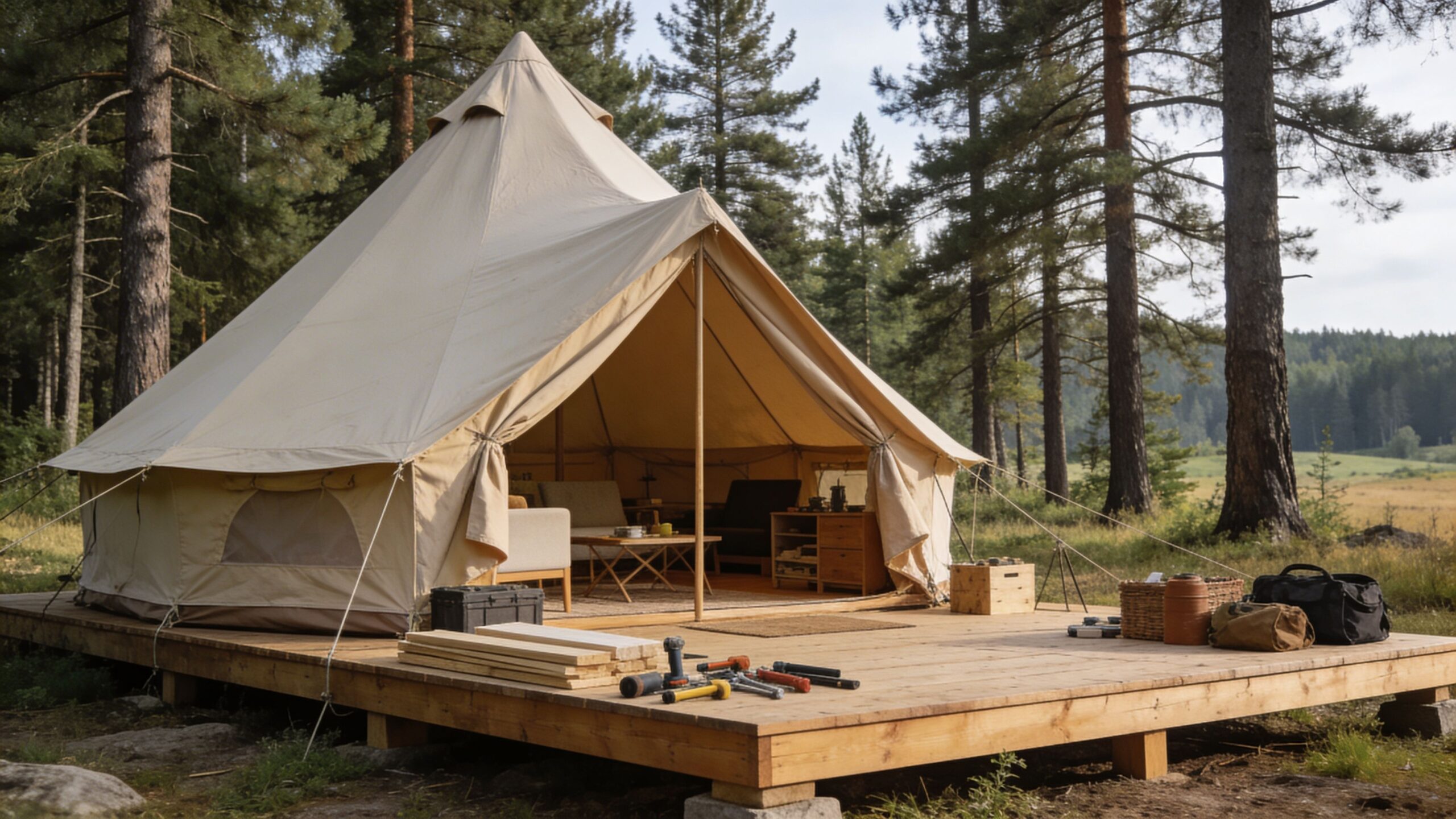
Safari tents are a popular starting point, offering a balance between traditional camping and modern comfort. They are spacious, visually appealing, and relatively straightforward to set up. With the addition of wooden platforms and quality furnishings, they can feel surprisingly luxurious.
Geodesic domes represent a more modern approach, often featuring panoramic views and unique architectural appeal. These structures are particularly effective in locations where the surrounding landscape is a key part of the experience. Their design allows for natural light and creates a strong visual impact.
Cabins and tiny homes provide a more solid and insulated option, making them ideal for year-round use. They offer greater protection from the elements and can include full amenities such as kitchens and bathrooms. This makes them a versatile choice for a wide range of climates.
Other options, such as yurts, A-frame structures, and renovated trailers, add variety and personality to the glamping landscape. Each type of structure brings its own character, allowing you to tailor the experience to your vision.
The key is to choose a structure that aligns with your location, climate, and desired level of comfort. This decision forms the backbone of your setup and influences every detail that follows.
Building Comfort into the Experience: Interiors That Matter
Comfort is what separates glamping from traditional camping, and it starts with the interior. Creating a space that feels inviting, functional, and cohesive is essential to delivering a high-quality experience.
The bed is the centerpiece of any glamping setup. Investing in a comfortable mattress and quality linens can dramatically improve the overall experience. Guests expect to rest well, and this is one area where attention to detail makes a significant difference.
Lighting plays a crucial role in setting the mood. Soft, warm lighting creates a cozy atmosphere, while strategic placement enhances both functionality and aesthetics. Combining natural light during the day with ambient lighting at night helps maintain a balance between comfort and connection to the outdoors.
Furniture should be both practical and stylish. Seating areas, storage solutions, and small tables contribute to a sense of completeness. The goal is to create a space that feels thoughtfully designed rather than improvised.
Climate control is another important consideration. Depending on the location, this may include heating, cooling, or ventilation systems. Ensuring that guests remain comfortable regardless of weather conditions is key to a successful setup.
By focusing on these elements, you can transform a simple structure into a welcoming retreat that encourages relaxation and enjoyment.
Essential Amenities: Elevating the Glamping Experience
Amenities are what elevate glamping from a basic outdoor stay to a memorable experience. They add convenience, enhance comfort, and create opportunities for enjoyment beyond the accommodation itself.
Bathrooms are often a defining feature. Whether private or shared, they should be clean, functional, and well-designed. Options range from simple setups to fully equipped bathrooms with modern fixtures. The level of sophistication depends on your overall vision and budget.
Outdoor spaces are equally important. Decks, fire pits, and seating areas encourage guests to spend time outside while maintaining comfort. These spaces often become the highlight of the experience, providing a place to relax, socialize, and take in the surroundings.
Dining options can vary widely. Some setups include basic cooking facilities, while others offer fully catered meals. Providing flexibility allows guests to tailor their experience to their preferences.
Additional features such as hot tubs, hammocks, or outdoor showers can enhance the appeal of your setup. These elements create moments of enjoyment that go beyond the basics, adding depth to the overall experience.
Amenities should feel intentional rather than excessive. Each addition should contribute to the overall atmosphere and align with the vision you established at the beginning.
Setting the Scene: Atmosphere, Design, and Guest Experience
Glamping is as much about atmosphere as it is about physical elements. The way a space feels can have a profound impact on how it is perceived and remembered.
Design plays a central role in shaping this atmosphere. Color palettes, textures, and materials should complement the natural environment rather than compete with it. This creates a sense of harmony that enhances the overall experience.
Attention to detail is what sets exceptional setups apart. Small touches such as curated decor, thoughtful layouts, and cohesive styling contribute to a polished and inviting space. These details may seem minor, but they collectively create a strong impression.
The guest experience extends beyond the physical setup. Clear communication, easy access, and thoughtful touches such as welcome notes or local recommendations can enhance the overall stay. These elements help create a sense of care and professionalism.
Creating the right atmosphere requires a balance between design and functionality. It’s about crafting an experience that feels both natural and intentional, allowing guests to fully engage with their surroundings.
Budgeting and Planning: Turning Your Setup into Reality
Starting a glamping setup requires careful planning and budgeting. While the costs can vary widely, having a clear understanding of your financial parameters is essential for success.
Begin by outlining your major expenses, including the structure, furnishings, and site preparation. These costs form the foundation of your investment and should be prioritized accordingly. Additional expenses such as utilities, permits, and maintenance should also be considered.
Phasing your setup can be a practical approach. Starting with a single unit allows you to refine your process and understand what works before expanding. This reduces risk and provides valuable insights for future development.
It’s also important to consider ongoing costs. Maintenance, cleaning, and operational expenses will impact the long-term sustainability of your setup. Planning for these factors ensures that your project remains viable over time.
Balancing cost with quality is key. While it may be tempting to cut corners, investing in essential elements such as comfort and durability will pay off in the long run. A well-executed setup is more likely to attract and retain guests, making it a worthwhile investment.
Bringing It All Together: Your First Glamping Setup in Action
Starting a glamping setup is a journey that combines creativity, planning, and execution. Each step builds on the last, transforming an idea into a tangible experience that others can enjoy. As you bring everything together, it’s important to stay focused on your original vision. Every decision, from location to design, should align with the experience you want to create. This consistency is what turns a simple setup into something memorable. Testing your setup before fully launching can provide valuable feedback. Spending time in the space yourself allows you to identify areas for improvement and ensure that everything functions as intended. This hands-on approach helps refine the experience and build confidence in your setup. Glamping in 2026 is about more than just accommodation—it’s about creating a destination. It offers an opportunity to share a unique perspective on nature, combining comfort, style, and immersion in a way that resonates with modern travelers. By following these steps and staying true to your vision, you can create a glamping setup that stands out and delivers an experience that guests will remember long after they leave.