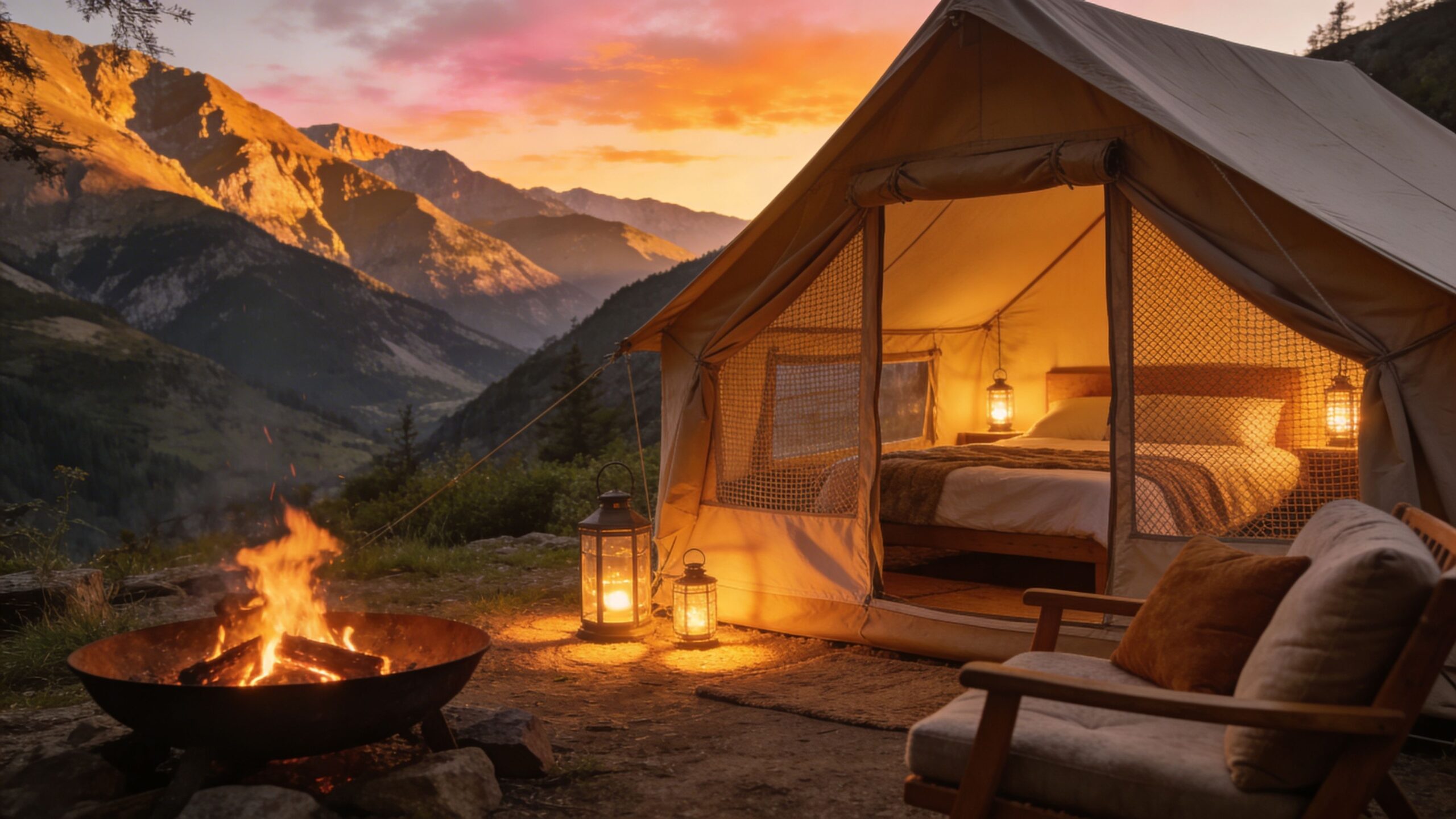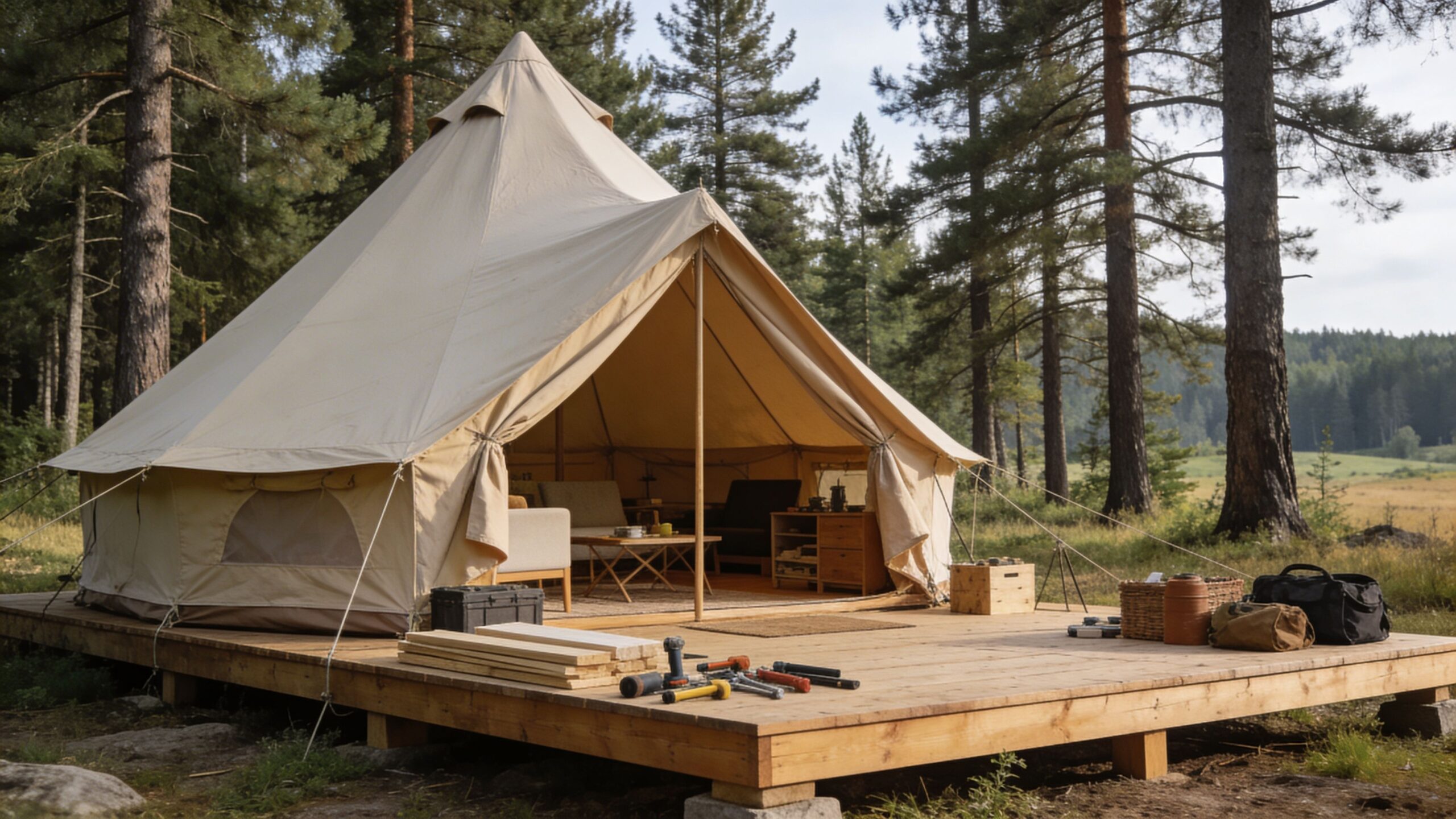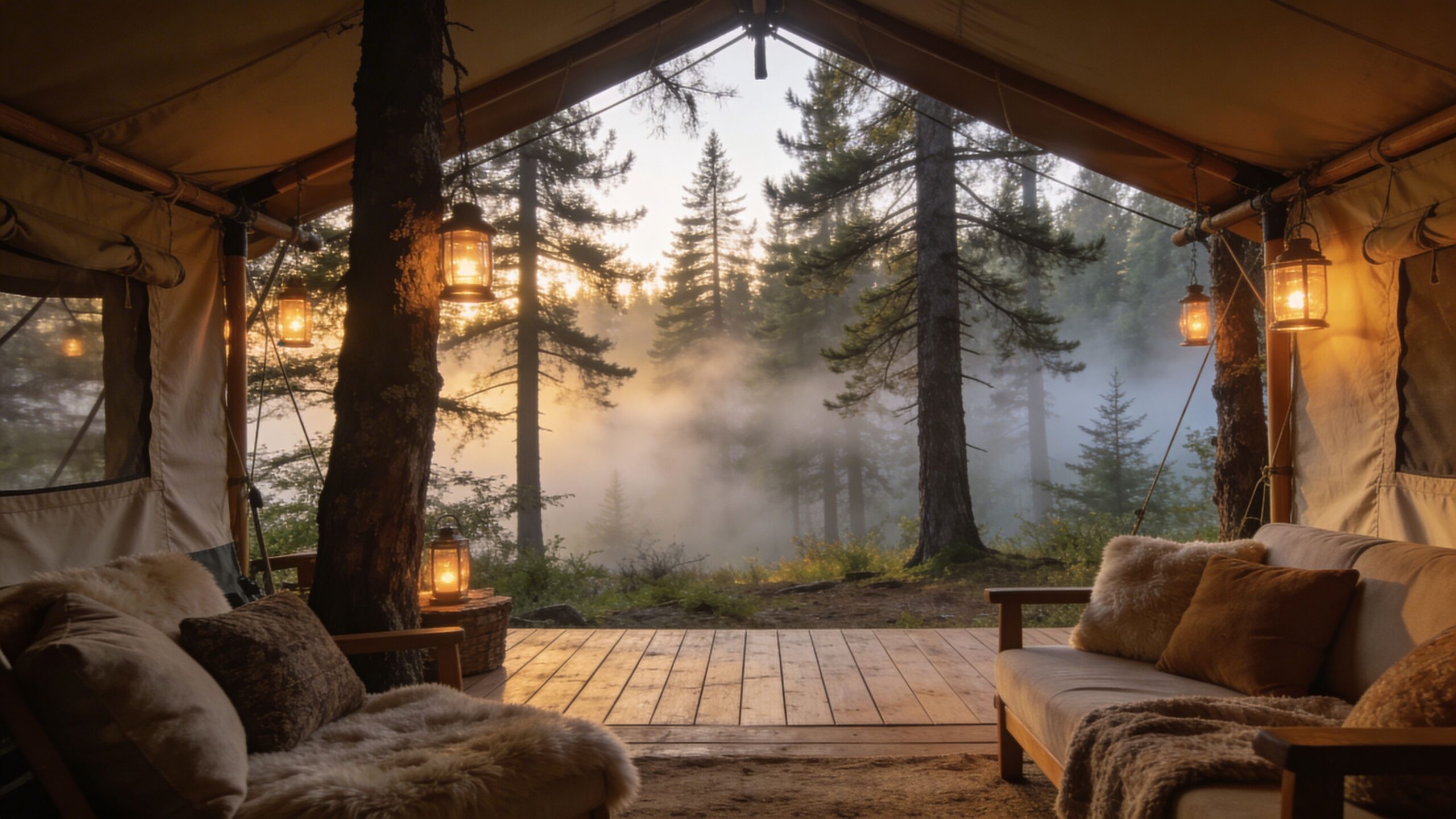
Glamping, short for “glamorous camping,” has transformed the way people experience nature. For decades, traditional camping required roughing it—sleeping on the ground, cooking over open flames, and embracing minimal comfort. While that style still appeals to many, a growing number of travelers are seeking a more refined outdoor experience. Glamping answers that demand by blending the beauty of the natural world with the comforts of modern living. At its core, glamping is about access. It allows people to immerse themselves in breathtaking landscapes without needing specialized gear or outdoor survival skills. Instead of pitching a tent and hauling equipment, guests arrive at a fully prepared space designed for relaxation. Think plush beds, climate control, private bathrooms, and curated interiors—all set within forests, deserts, mountains, or coastal environments.
A: Glamping is a style of camping that combines outdoor settings with elevated comfort, convenience, and design.
A: It is still an outdoor stay, but with more comfort and less work than traditional camping.
A: Usually no; the structure is typically set up and furnished for you before arrival.
A: Yes, they are often the best entry point for people who want to enjoy nature without roughing it.
A: Some have private en-suite bathrooms, while others use shared bathhouses, so always check the listing.
A: It can cost more than regular camping, but many travelers value the comfort, atmosphere, and included amenities.
A: Bring comfortable clothes, layers, toiletries, chargers, practical shoes, and any extras the property does not provide.
A: Absolutely; many glamping sites are family-friendly and offer plenty of room and nearby outdoor activities.
A: Some properties are, especially cabins and insulated domes, while seasonal tents may close in colder weather.
A: Assuming every property offers the same comfort level—always verify bedding, bathrooms, climate control, and on-site amenities.
From Roughing It to Refined Escapes: The Evolution of Camping
To understand glamping, it helps to look at how camping itself has evolved. Traditional camping was rooted in necessity and simplicity. Early outdoor enthusiasts embraced minimalism, carrying only what they needed and relying heavily on skill and preparation. Over time, camping became more recreational, but the core experience remained largely unchanged.
The shift toward glamping began as travelers started seeking more convenience and comfort. Hotels and resorts had long dominated the luxury travel space, but they often lacked the immersive connection to nature that camping provided. Glamping emerged as a hybrid solution, offering the best of both worlds.
Early versions of glamping can be traced back to safari camps in Africa, where travelers stayed in luxurious tents outfitted with real beds, fine linens, and full-service amenities. This concept eventually spread globally, evolving into a wide variety of accommodations that cater to different tastes and environments.
Today, glamping is defined by innovation and creativity. Designers and developers are constantly pushing boundaries, creating unique structures and experiences that elevate the outdoor stay. From eco-conscious builds to architecturally stunning retreats, the evolution of camping has reached a point where comfort and nature are no longer mutually exclusive.
What Defines Glamping in Today’s Travel Landscape
Glamping is not just about upgrading a campsite—it is about reimagining the entire outdoor experience. Several key elements define what makes a glamping stay distinct from traditional camping.
First, there is the emphasis on comfort. Glamping accommodations typically include real beds, quality linens, and climate control. This alone sets it apart from standard camping, where sleeping conditions can be unpredictable and often uncomfortable. The goal is to create a restful environment that enhances the overall experience.
Second, design plays a central role. Glamping sites are often thoughtfully curated, with interiors and exteriors that reflect the surrounding landscape. Whether it’s a minimalist desert dome or a rustic-chic cabin in the woods, the aesthetic is part of the appeal. These spaces are designed not only for function but also for visual impact and atmosphere.
Third, convenience is a defining factor. Guests are not expected to bring extensive gear or set up their accommodations. Everything is prepared in advance, allowing for a seamless arrival and departure. Many sites also offer additional services such as meals, guided activities, and concierge support.
Finally, location is crucial. Glamping destinations are often situated in places that offer exceptional natural beauty. The experience is designed to highlight the environment, whether that means panoramic mountain views, secluded forest settings, or expansive desert landscapes.
The Many Forms of Glamping Across the U.S.
One of the most exciting aspects of glamping is its diversity. There is no single type of glamping accommodation, and each style offers a unique way to experience the outdoors.
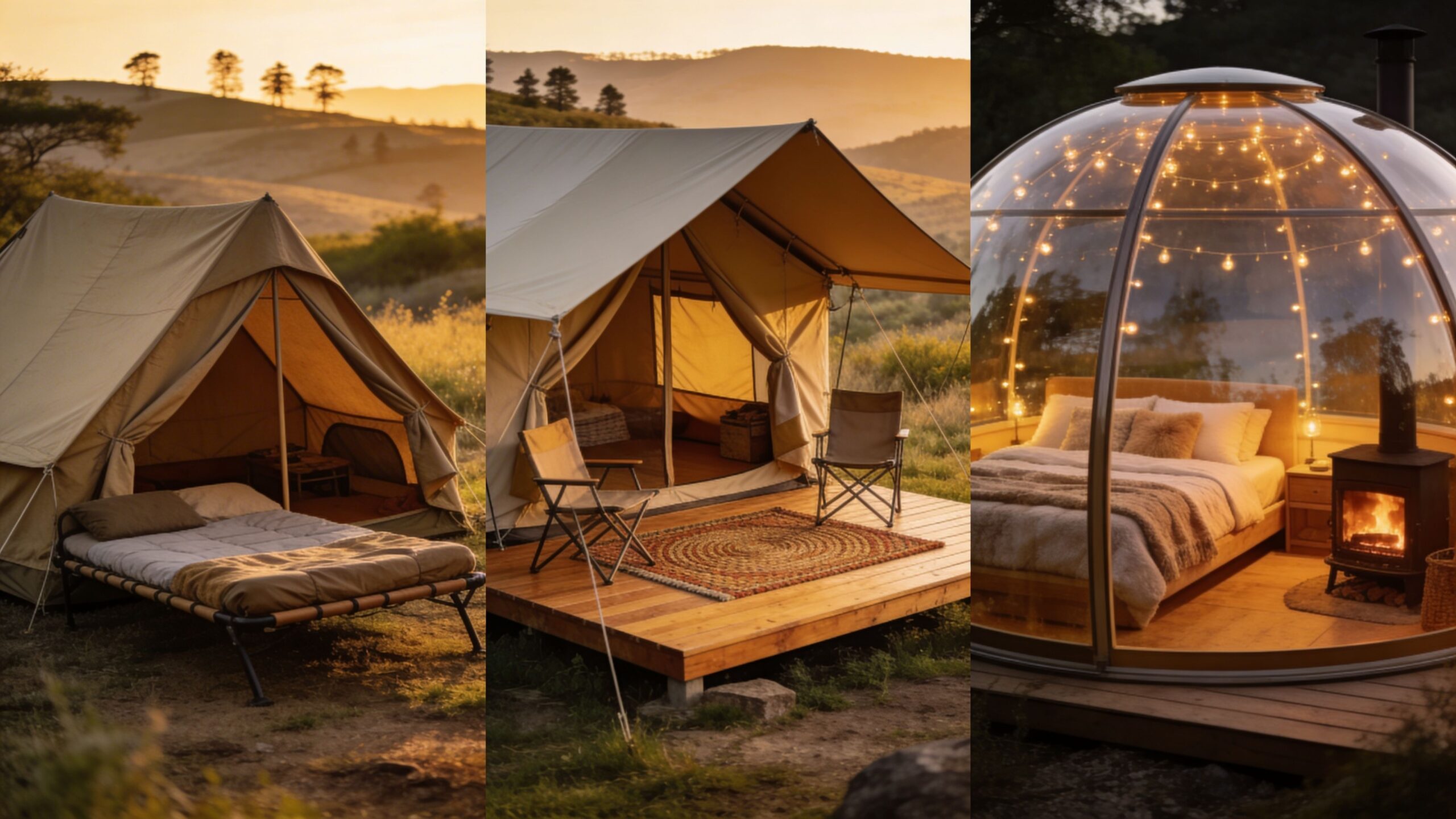
Safari tents remain one of the most recognizable forms of glamping. These spacious canvas structures often include wooden floors, full-sized beds, and private decks. They are commonly found in scenic locations and provide a balance between traditional camping aesthetics and modern comfort.
Domes and geodesic structures have gained popularity for their futuristic design and panoramic views. Many feature transparent panels that allow guests to stargaze from the comfort of their bed. These accommodations are particularly popular in desert and mountain regions where the night sky is a major attraction.
Treehouses offer a sense of adventure and nostalgia while delivering upscale amenities. Elevated among the trees, these structures provide privacy and a unique perspective on the surrounding environment. They are often equipped with modern interiors that contrast beautifully with their natural setting.
Cabins and tiny homes represent another category of glamping, offering a more solid and insulated option. These accommodations often include kitchens, bathrooms, and living spaces, making them ideal for longer stays or travelers who prefer a more traditional structure.
Airstreams and vintage trailers bring a retro flair to glamping. Fully renovated and equipped with modern conveniences, these mobile accommodations combine style and functionality in a compact space.
Each type of glamping accommodation offers its own experience, allowing travelers to choose based on their preferences, location, and desired level of comfort.
Why Glamping Appeals to Modern Travelers
The rise of glamping reflects broader shifts in how people approach travel. Today’s travelers are increasingly focused on experiences rather than just destinations. They want something memorable, immersive, and different from the ordinary.
Glamping delivers on all of these fronts. It offers a sense of adventure without the barriers that often come with traditional outdoor activities. For many people, the idea of camping is appealing, but the reality can be intimidating or uncomfortable. Glamping removes those obstacles, making nature more accessible. Another factor is the desire for disconnection. In an age dominated by screens and constant connectivity, many travelers are looking for ways to unplug. Glamping provides an opportunity to step away from digital distractions and engage more fully with the environment.
At the same time, glamping does not require a complete departure from modern comforts. Guests can enjoy the tranquility of nature while still having access to amenities that enhance their stay. This balance is a key reason why glamping continues to grow in popularity.
Social media has also played a role in the rise of glamping. Visually striking accommodations and scenic backdrops make for compelling content, inspiring others to seek out similar experiences. The aesthetic appeal of glamping has helped it gain widespread attention and appeal.
How to Choose Your First Glamping Experience
For beginners, choosing the right glamping experience can make all the difference. With so many options available, it’s important to consider what you want out of your trip. Start by thinking about the environment that excites you most. If you are drawn to wide-open spaces and dramatic landscapes, a desert or mountain destination might be ideal. If you prefer lush greenery and a sense of seclusion, a forest or lakeside location could be a better fit. Next, consider the level of comfort you are looking for. Some glamping sites offer full luxury experiences with high-end amenities and services, while others take a more minimalist approach. Understanding your preferences will help you narrow down your options. Timing is also important. Different locations offer different experiences depending on the season. A mountain retreat might be perfect in the summer but require additional planning in the winter. Similarly, desert destinations are often best enjoyed during cooler months.
Accessibility is another factor to keep in mind. Some glamping sites are easily reachable by car, while others require a bit more effort to access. Deciding how much adventure you want in the journey itself can help guide your choice. Ultimately, the best glamping experience is one that aligns with your interests and expectations. Taking the time to research and plan will ensure a more enjoyable and memorable trip.
What to Expect During a Glamping Stay
For those new to glamping, understanding what to expect can help ease any uncertainty. While each destination is unique, there are some common elements that define the experience.
Upon arrival, guests are typically greeted with a fully prepared accommodation. There is no need to set up tents or organize gear. Everything is ready, allowing you to settle in and start enjoying your surroundings immediately.
Inside, you can expect a level of comfort similar to a boutique hotel. Beds are often outfitted with high-quality linens, and many accommodations include heating or air conditioning. Bathrooms may be private or shared, depending on the site, but they are usually well-maintained and thoughtfully designed.
Outdoor spaces are an integral part of the experience. Many glamping sites feature private decks, fire pits, or seating areas that encourage guests to spend time outside. These spaces are designed to maximize the connection to nature while providing a comfortable setting.
Activities vary by location but often include hiking, kayaking, wildlife observation, or guided tours. Some sites also offer wellness experiences such as yoga or spa treatments. The goal is to create a well-rounded experience that combines relaxation and exploration.
Dining options can range from self-catering to fully catered meals. Some locations provide kitchen facilities, while others offer on-site restaurants or meal delivery. This flexibility allows guests to tailor their experience to their preferences.
The Future of Glamping and Why It’s Here to Stay
Glamping is not just a passing trend—it represents a fundamental shift in how people engage with travel and the outdoors. As demand continues to grow, the industry is evolving in ways that make it even more appealing and accessible. Sustainability is becoming a central focus. Many glamping sites are designed with minimal environmental impact in mind, using renewable energy, sustainable materials, and eco-friendly practices. This aligns with the values of modern travelers who are increasingly conscious of their environmental footprint. Technology is also shaping the future of glamping. Smart features, improved connectivity, and innovative design are enhancing the guest experience without detracting from the natural setting. The challenge lies in integrating these elements in a way that complements rather than overwhelms the environment. Customization is another emerging trend. Travelers are looking for experiences that feel personal and tailored to their interests. Glamping providers are responding by offering more flexible options, from curated itineraries to unique accommodation styles. As we move further into 2026 and beyond, glamping is poised to remain a dominant force in the travel industry. It offers a compelling combination of comfort, adventure, and connection to nature that resonates with a wide range of travelers. For beginners, glamping is the perfect introduction to the outdoors. It removes the barriers that might otherwise prevent people from exploring natural environments, replacing them with opportunities for discovery and relaxation. Whether it’s your first time or your tenth, glamping continues to redefine what it means to experience the great outdoors.