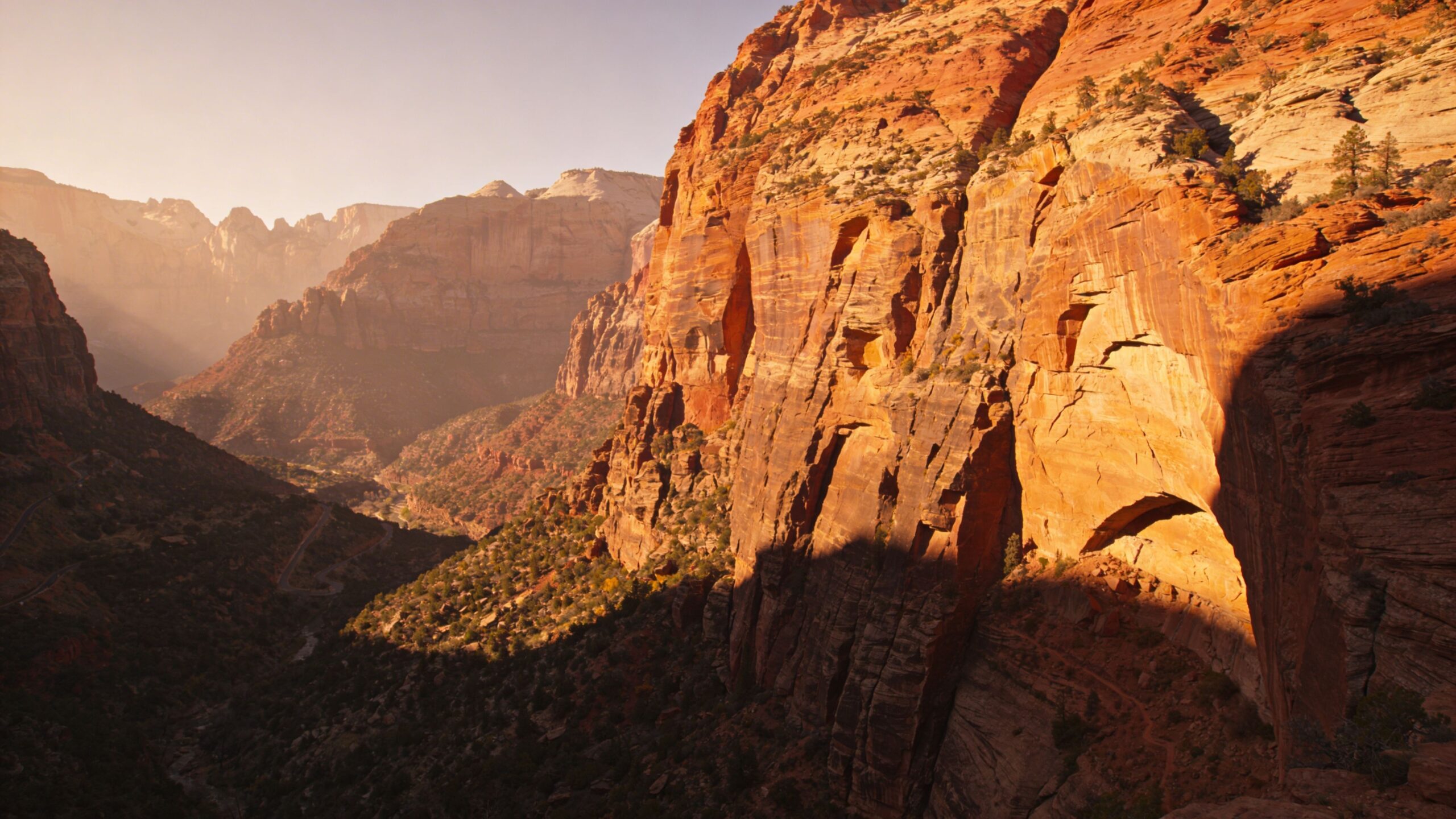
Yellowstone National Park is more than just America’s first national park—it’s a world unto itself. Spread across Wyoming, Montana, and Idaho, it covers nearly 3,500 square miles of wilderness where geysers erupt, rivers roar, and wildlife roam free. Camping here isn’t simply a trip; it’s an immersion into one of the planet’s most dynamic ecosystems. From the steaming basins of Old Faithful to the alpine serenity of Yellowstone Lake, every campsite tells a story of the Earth’s raw power and beauty. This guide takes you deep into the soul of Yellowstone camping—where to stay, what to expect, and how to make your adventure unforgettable.
A: Highly recommended for summer; limited first-come sites fill early.
A: Madison for geyser basins, Canyon for the falls/central hub, Mammoth for terraces & elk, Grant/Bridge Bay for lake access.
A: Available seasonally at a few villages; bring quarters/cards and check opening dates.
A: No in developed areas; buy local approved wood. Follow posted rules in backcountry.
A: No. Purchase locally and learn usage; dispose/return per vendor guidance.
A: Use lockers/vehicles/canisters as posted; never leave food or scented items unattended.
A: Dawn starts, midweek visits, and shoulder seasons; plan loop days with generous buffers.
A: Yes with permits; designated sites only, bear-safe practices required.
A: Seasonal closures and construction are common—check the daily road report before driving.
A: Stay in vehicle, keep distance, use hazards, and follow ranger directions.
Finding Your Basecamp: The Lay of the Land
With over a dozen campgrounds scattered throughout its vast expanse, Yellowstone offers a diverse range of camping experiences—from family-friendly sites with full amenities to remote backcountry escapes far from civilization. The park is divided into several distinct regions, each offering a different window into the Yellowstone experience.
The Madison region sits near the western entrance and offers quick access to iconic geothermal features like Old Faithful and the Grand Prismatic Spring. Canyon Village, in the park’s center, provides proximity to the breathtaking Grand Canyon of the Yellowstone, while Grant Village and Bridge Bay, near Yellowstone Lake, offer lakeside tranquility with views that stretch for miles. Mammoth Hot Springs, at the northern entrance, is open year-round and provides a mix of history, scenery, and accessibility. Choosing your basecamp depends on what kind of experience you want. Do you crave solitude among pines and rivers, or do you want to be close to the park’s most famous landmarks? Yellowstone’s vastness allows both—the key is planning ahead, as campsites often book months in advance during summer.
The Campgrounds: From Comfort to Wilderness
Yellowstone’s campgrounds range from modern and accommodating to wild and untamed. The National Park Service operates twelve front-country campgrounds, while hundreds of backcountry campsites await those who prefer to sleep beneath the stars in complete solitude.
Grant Village, Bridge Bay, and Madison are among the most popular developed campgrounds, offering amenities like restrooms, picnic tables, and nearby general stores. Bridge Bay sits right on Yellowstone Lake, providing stunning sunrise views and access to fishing and boating. Madison, nestled near the junction of the park’s major roads, makes an ideal base for exploring thermal features.
For those who prefer a quieter atmosphere, Norris and Lewis Lake offer smaller, more rustic settings surrounded by forest and water. Tower Fall and Pebble Creek, located in the park’s northeast, immerse visitors in rugged mountain terrain and prime wildlife territory—especially for spotting elk and bison. Then there’s the backcountry—hundreds of remote sites accessible only by hiking or paddling. These spots offer unparalleled solitude, where nights are filled with the sounds of owls, wind, and flowing rivers instead of car doors and chatter. Permits are required for all backcountry camping, ensuring a balanced and sustainable wilderness experience.
Seasons of the Wild: When to Camp in Yellowstone
Yellowstone’s character shifts dramatically with the seasons, and so does its camping experience. Each period of the year brings unique beauty and challenges, making it crucial to match your visit to your comfort level and interests. Summer, from late June through early September, is the most popular season for camping. Days are warm, wildlife is abundant, and all campgrounds are typically open. It’s also when the park is busiest, so early reservations are essential. The long daylight hours invite endless exploration, from hiking to fishing to sunset photography. Spring, on the other hand, offers a quieter and cooler experience. In May and early June, snow still lingers in higher elevations, but the valleys burst to life with wildflowers and newborn wildlife. Bison calves and elk fawns make their first appearances, and the air feels crisp and full of promise. Fall is perhaps the park’s most enchanting season. The crowds thin, the air sharpens, and the landscapes transform into fiery shades of gold and crimson. It’s also rutting season for elk, whose haunting bugles echo through the valleys at dawn and dusk. Winter camping in Yellowstone is for the truly adventurous. While most campgrounds close, Mammoth Campground remains open year-round. Campers are greeted with a surreal, snow-covered wonderland—geysers steaming in the cold, bison plowing through drifts, and stars blazing above in absolute silence. It’s harsh, beautiful, and unforgettable.
The Wild Neighbors: Camping Among Yellowstone’s Wildlife
Few places on Earth offer wildlife encounters as authentic and thrilling as Yellowstone. The park is home to bears, wolves, elk, moose, and the largest bison herd in the United States. Camping here means sharing space with these incredible creatures—respectfully, cautiously, and responsibly.
Bear safety is paramount. Every campground provides bear-proof food storage boxes, and it’s vital to use them. Never leave food, coolers, or scented items unattended, and always clean up after meals. Cooking and eating should be done away from sleeping areas, especially in the backcountry.
Wildlife often wander through campgrounds. It’s not uncommon to wake up to bison grazing nearby or elk crossing a meadow. Maintain a safe distance—100 yards from bears and wolves, 25 yards from other animals—and use binoculars or zoom lenses for close-up views. While Yellowstone’s wildlife is mesmerizing, remember that this is their home and you are the guest. Watching a herd of elk move through the morning fog or hearing a wolf’s distant howl under the stars are moments that define what makes camping here so extraordinary.
The Elements of Adventure: Preparing for the Yellowstone Experience
Camping in Yellowstone is as much about preparation as it is about discovery. The park’s vastness and variable conditions mean that even seasoned campers should approach the experience with respect and readiness. Weather can change rapidly. In summer, a sunny morning can turn into an afternoon thunderstorm or even a brief snow flurry at higher elevations. Layered clothing, waterproof gear, and sturdy footwear are must-haves. Temperatures can drop dramatically at night, even in July, so warm sleeping bags are essential.
Water sources are plentiful, but all must be treated or filtered before drinking. Bring plenty of water containers, and if you plan on hiking or backcountry camping, a reliable purification system. Campfires are permitted in designated rings, but restrictions may apply during dry seasons, so always check with park rangers for updates.
Navigation is key—cell service is limited or nonexistent in much of the park. A detailed map, compass, or GPS device can prevent costly wrong turns. Always let someone know your plans if venturing into remote areas. Finally, remember that Leave No Trace principles are sacred here. Pack out everything you bring in, respect wildlife boundaries, and stay on marked trails. Yellowstone’s magic lies in its untouched nature; preserving that purity is every camper’s responsibility.
Beyond the Campsite: Adventures Waiting Outside Your Tent
Camping in Yellowstone opens the door to some of the most thrilling outdoor experiences on the planet. Every direction from your campsite leads to something remarkable, whether it’s thermal wonders, roaring waterfalls, or alpine lakes. Start with the park’s geothermal marvels—the geyser basins that define Yellowstone’s identity. Old Faithful, predictable and iconic, is only the beginning. Nearby, the Grand Prismatic Spring dazzles with its rainbow-colored waters, while Norris Geyser Basin reveals a surreal, otherworldly landscape of bubbling vents and fumaroles. The Grand Canyon of the Yellowstone offers some of the park’s most dramatic scenery. The Lower Falls thunders into a canyon painted in shades of gold, orange, and red. Viewpoints like Artist Point and Inspiration Point provide vistas that leave even seasoned travelers speechless.
Hikers will find paradise here. Trails range from short boardwalk loops to multi-day backcountry treks. The Mount Washburn Trail offers panoramic views of the entire park, while the Lamar Valley provides unparalleled wildlife viewing—wolves, bison, and pronghorn often roam within sight. Fishing, kayaking, and boating opportunities abound on Yellowstone Lake and the Yellowstone River. Each activity brings a different rhythm to your stay, turning each day into a new adventure waiting to unfold.
Nights Under the Stars: The Magic of Yellowstone After Dark
As the sun dips behind the mountains and the last golden light fades, Yellowstone transforms into a world of quiet wonder. Nights here are sacred—filled with the crackle of campfires, the hoot of owls, and the endless expanse of stars overhead.
In the front-country campgrounds, evenings often bring a sense of community. Families share stories over hot cocoa, travelers swap tales of encounters with elk or geysers, and children marvel at the night sky, unpolluted and infinite. In the backcountry, night is something else entirely. Far from artificial light, the Milky Way blazes across the heavens in breathtaking detail. Coyotes sing from distant ridges, and the rustle of wind through the pines becomes nature’s lullaby. Few experiences match the serenity of lying beneath a blanket of stars in one of the wildest places on Earth.
For photographers, the park at night is a dream. Long exposures capture the glow of geothermal pools under starlight, while the moon casts a silver sheen over the mountains. Whether you’re watching a meteor shower or simply listening to the quiet, nights in Yellowstone remind you how vast and alive the world truly is.
Leaving with the Land: Carrying Yellowstone Home
Every camping trip in Yellowstone ends with something lasting—a feeling, a sound, an image that lingers long after you’ve left its gates. Maybe it’s the hiss of a distant geyser at dawn, the sight of bison silhouetted against the rising sun, or the scent of pine carried on a cool mountain breeze. Camping here changes your sense of scale and wonder. It reminds you that even in a modern world, there are still places where the Earth speaks in its purest voice. The steam rising from a thermal spring, the thunder of waterfalls, and the endless sweep of the sky all tell the same story: that wilderness is not a relic, but a living, breathing force. When you leave, you carry Yellowstone with you—not just in photographs, but in spirit. It’s in the way you pause to watch a sunset, listen to the wind, or feel gratitude for a world that still holds such beauty. So pitch your tent, stoke the fire, and listen. The wild heart of Yellowstone is still beating, and it’s calling you to come and stay awhile.