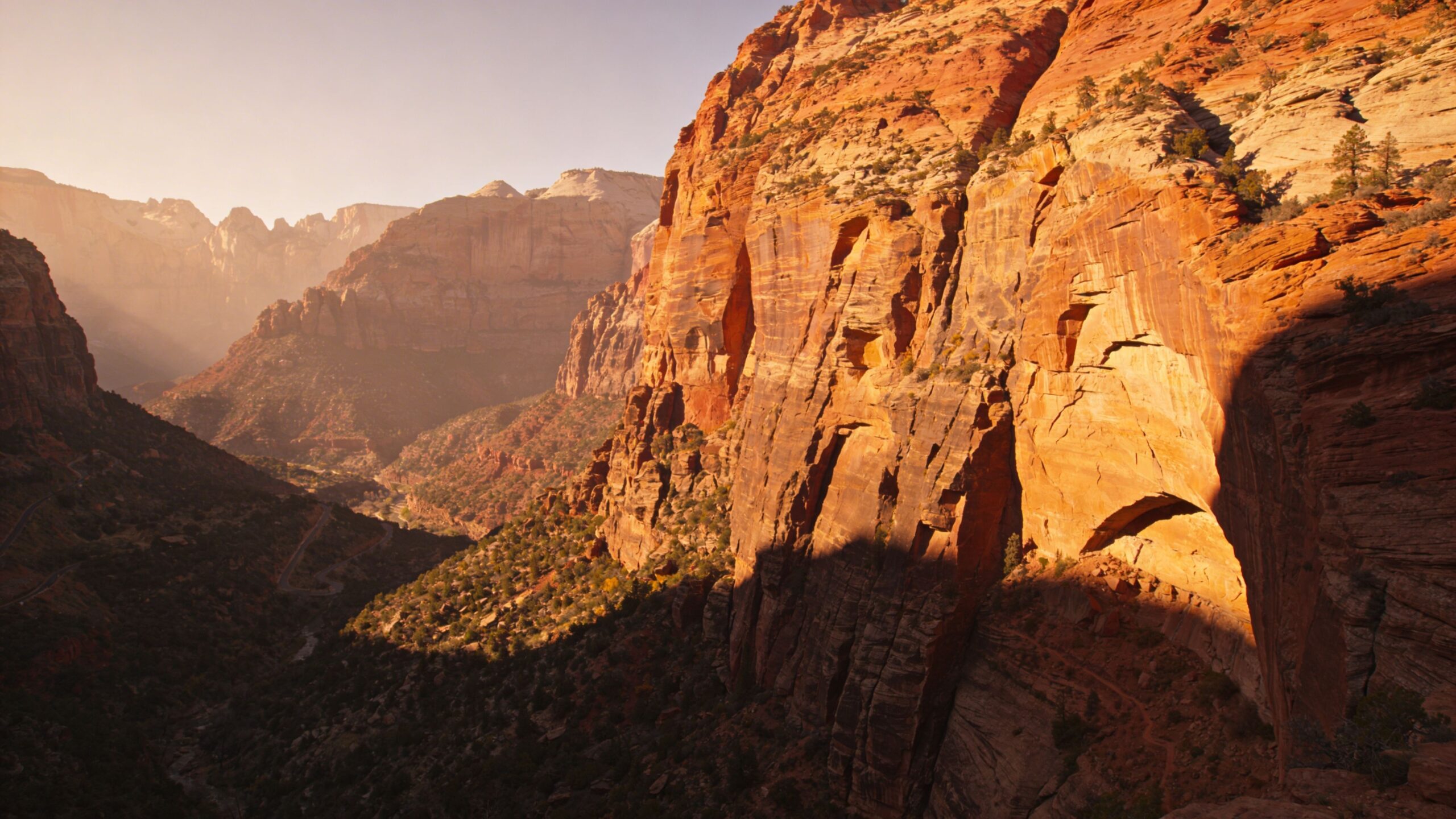
There’s something timeless about the call of the open road, especially when it winds through the heart of America’s most breathtaking landscapes. From alpine peaks and red rock canyons to lush forests and desert plateaus, the national park system holds some of the most visually stunning drives in the world. These are not just roads—they’re immersive journeys through nature’s grandest stages. Whether you crave the serenity of winding mountain passes or the thrill of desert horizons, the following national park drives offer unforgettable views and the freedom that only comes from the road less traveled.
A: Some roads/parks may require timed entry or vehicle reservations in peak season—check the specific park’s page.
A: Most scenic park roads are paved; some spurs are gravel. Verify conditions and restrictions before attempting rough roads.
A: Sunrise/sunset for warm light; midday is clearer for long vistas after storms.
A: Often allowed on paved areas if leashed; trails usually have stricter rules—check park policies.
A: Use designated pullouts sized for RVs; some tunnels/roads have length/height limits.
A: Go midweek, start at dawn, and drive shoulder seasons. Consider park shuttles where available.
A: Ascend gradually, hydrate, and take breaks—alpine roads can exceed 10,000 ft.
A: Generally no in national parks without a special permit.
A: Only at signed turnouts—stopping in travel lanes is illegal and unsafe.
A: Choose dark-sky parks (Capitol Reef, Great Basin), use red lights, and watch for wildlife on roads.
Going-to-the-Sun Road, Glacier National Park: Where Mountains Meet the Sky
In the wild northern reaches of Montana, the Going-to-the-Sun Road cuts through Glacier National Park with an elegance that feels almost unreal. Completed in 1933, this 50-mile engineering marvel ascends the Continental Divide, clinging to cliffs that reveal jaw-dropping panoramas at every turn. It’s one of the most spectacular drives in the United States, and perhaps the most iconic in all of the national park system. The route climbs past cascading waterfalls, alpine meadows, and jagged peaks that pierce the sky. At Logan Pass—the highest point on the road—mountain goats often graze in fields of wildflowers, and the views stretch endlessly into the rugged heart of the Rockies. As you descend, each curve unveils a new masterpiece of nature: turquoise lakes, glacial valleys, and misty forests that seem to glow in the early morning light.
Driving the Going-to-the-Sun Road is more than a scenic detour; it’s an emotional experience, a place where the grandeur of the wilderness meets the freedom of the open road. The combination of engineering brilliance and raw natural beauty makes it a once-in-a-lifetime journey.
Skyline Drive, Shenandoah National Park: A Symphony of Seasons
For those seeking a slower, more meditative drive, Skyline Drive in Virginia offers a tranquil passage through the rolling ridges of the Blue Ridge Mountains. Stretching 105 miles along the spine of Shenandoah National Park, this legendary route is a tapestry of color, wildlife, and Appalachian charm. In spring, the forests come alive with blooming dogwoods and wild azaleas. Summer brings lush green tunnels of oak and hickory, where deer graze in roadside meadows. But it’s autumn when Skyline Drive truly shines—the hills explode into a kaleidoscope of gold, orange, and crimson.
There are over 70 scenic overlooks along the way, each offering sweeping views of the Shenandoah Valley below. The leisurely speed limit encourages unhurried exploration, perfect for those who want to savor every vista. Whether you’re driving beneath drifting clouds or into a sunset that paints the mountains in amber light, Skyline Drive captures the quiet poetry of America’s natural beauty.
Pacific Coast Highway through Redwood National and State Parks: The Giants Beside the Sea
Few drives in the world can rival the magic of California’s Pacific Coast Highway as it winds through the towering redwoods and rugged coastline of Northern California. Within the boundaries of Redwood National and State Parks, the highway becomes a living dreamscape—where the world’s tallest trees meet the restless Pacific Ocean. As you travel this stretch of Highway 101, you’ll pass through ancient groves like Prairie Creek Redwoods and Jedediah Smith Redwoods State Park, where redwoods rise over 300 feet tall and the air hums with the scent of earth and mist. Sunlight filters through the dense canopy, creating a cathedral-like atmosphere that feels sacred and still. A few miles west, the coastal cliffs plunge into a roaring sea, where gray whales can sometimes be seen breaching offshore. Stops like the Newton B. Drury Scenic Parkway and Gold Bluffs Beach reveal the raw, untamed beauty of California’s northern wilderness. The blend of forest and ocean makes this drive a powerful reminder that the most awe-inspiring journeys are those where worlds collide—where land, sky, and sea coexist in perfect harmony.
Trail Ridge Road, Rocky Mountain National Park: Touching the Clouds
Rising above the treeline and into the heavens, Trail Ridge Road in Colorado is the highest continuous paved road in North America. Reaching over 12,000 feet in elevation, this 48-mile drive delivers views so vast and surreal they seem painted onto the horizon.
As the road climbs through dense forests and alpine tundra, each turn offers a new perspective on the Rockies’ grandeur. Herds of elk graze in open meadows, while marmots scurry among the rocks. At the summit, the world feels both immense and intimate—the peaks stretch endlessly in every direction, yet silence reigns so pure you can hear the wind whisper through the grass.
Trail Ridge Road is best experienced in summer when snow has melted and wildflowers carpet the slopes in vivid bursts of color. It’s not just a scenic drive—it’s a journey into the sky, a chance to experience the thin air and boundless spirit of the high alpine world.
17-Mile Drive through Point Lobos and Big Sur: The Edge of Infinity
While not entirely within a national park boundary, 17-Mile Drive and the adjacent stretch of Big Sur’s coastline through California’s protected lands represent one of the most scenic experiences in America’s natural portfolio. Traveling along this legendary route feels like gliding between earth and eternity, where steep cliffs drop into turquoise waves and sea spray mists your windshield.
The drive meanders past iconic viewpoints like Bixby Bridge, one of the most photographed structures on the West Coast, and Point Lobos State Natural Reserve, known for its windswept cypress trees and sea lion colonies. Every bend reveals cinematic contrasts: sun-dappled coves, coastal wildflowers, and mist rolling off the Pacific. Even in fog, Big Sur’s beauty is haunting. Light pierces through veils of mist, waves crash against sea-carved rocks, and the horizon seems infinite. It’s a place that feels alive—a merging of power and peace that turns a simple drive into a spiritual pilgrimage.
Beartooth Highway, Yellowstone National Park: The Road Above the Wild
Approaching Yellowstone from the northeast, Beartooth Highway is a marvel that takes travelers to the edge of the sky before descending into the heart of America’s most iconic wilderness. Stretching 68 miles between Red Lodge, Montana, and the park’s northeast entrance, this drive is a feast for the senses.
The highway climbs to nearly 11,000 feet, crossing alpine plateaus and icy tarns surrounded by rugged peaks. Snow often lingers into midsummer, and the air carries a crispness that feels untouched by time. From the switchbacks of Beartooth Pass, you can see endless ranges fading into the distance, their summits glowing pink at sunrise. As the road descends toward Yellowstone, the scenery transforms—lush valleys replace barren heights, and wildlife like bison and bears emerge as reminders that this is true wilderness country. Beartooth Highway isn’t just a way to reach Yellowstone; it’s an experience that sets the tone for the adventure to come, blending grandeur, isolation, and the thrill of discovery into one unforgettable drive.
Blue Ridge Parkway: The Soul of the Appalachian Mountains
Winding for 469 miles through Virginia and North Carolina, the Blue Ridge Parkway is more than a scenic drive—it’s a love letter to the Appalachian Mountains. Connecting Shenandoah National Park in the north to Great Smoky Mountains National Park in the south, it’s often called “America’s Favorite Drive” for good reason. Every mile of the parkway reveals a different mood of the mountains. Mist drifts through deep hollows at dawn, while the midday sun casts long shadows across rolling ridges. In spring, rhododendrons bloom along the roadside, and in fall, the hills erupt into a fiery explosion of color. Countless overlooks invite travelers to pause, breathe, and take in the serenity of the landscape. The drive also meanders past historical homesteads, waterfalls, and hidden hiking trails that let you wander deeper into the wilderness. The Blue Ridge Parkway embodies the rhythm of the South—gentle, unhurried, and deeply connected to the land.
Tioga Road, Yosemite National Park: The High Sierra’s Hidden Passage
While most visitors to Yosemite flock to the valley floor to marvel at Half Dome and El Capitan, the park’s most transcendent drive lies above them, winding through the vast expanse of the High Sierra. Tioga Road, also known as Highway 120, traverses 46 miles across Yosemite’s northern reaches, offering a side of the park that few ever see.
From the granite domes of Tuolumne Meadows to the glassy stillness of Tenaya Lake, this route showcases Yosemite’s alpine grandeur. The road rises to nearly 10,000 feet, passing through subalpine forests and wildflower meadows that feel worlds away from the crowds below.
Pullouts along the way offer sweeping views of distant peaks and glacial valleys. In early summer, snowmelt fills streams and waterfalls that dance alongside the road. By autumn, the air grows crisp and golden, carrying the scent of pine and the promise of solitude. Tioga Road is a journey of discovery—an elevated escape through Yosemite’s wilder, quieter side.
Desert View Drive, Grand Canyon National Park: The Painted Earth
Few vistas on Earth can rival the magnitude of the Grand Canyon, and Desert View Drive offers some of the most astonishing perspectives of all. Stretching 25 miles along the South Rim from Grand Canyon Village to Desert View Point, this drive delivers one breathtaking overlook after another.
Each stop reveals a new angle of the canyon’s ever-changing palette—deep reds, golds, and purples carved by millions of years of erosion. The views at Moran Point, Lipan Point, and Navajo Point are among the most dramatic, especially at sunrise and sunset when the canyon walls ignite with color. At the end of the road stands the Desert View Watchtower, a stone structure designed in the 1930s by architect Mary Colter to echo ancient Puebloan architecture. From its top, the horizon stretches endlessly, and the Colorado River shimmers far below. Desert View Drive is a meditation on time, geology, and the humbling beauty of the American Southwest.
The Road That Connects Us All
From the alpine ridges of the Rockies to the misty forests of Appalachia, these scenic drives remind us that the road itself is part of the adventure. They are more than means of travel—they are living narratives, weaving through centuries of natural history and cultural heritage. Each curve, climb, and overlook tells a story of connection—to the land, to the sky, and to the timeless spirit of exploration that defines America. Whether you’re tracing the path of glaciers, cruising along coastal cliffs, or watching the sun dip below desert horizons, these drives invite you to slow down, breathe deeply, and remember that the journey is as beautiful as the destination. So fill your tank, roll down the windows, and let the horizon guide you. America’s most scenic national park drives are waiting—endless, inspiring, and forever calling travelers to the wild road ahead.