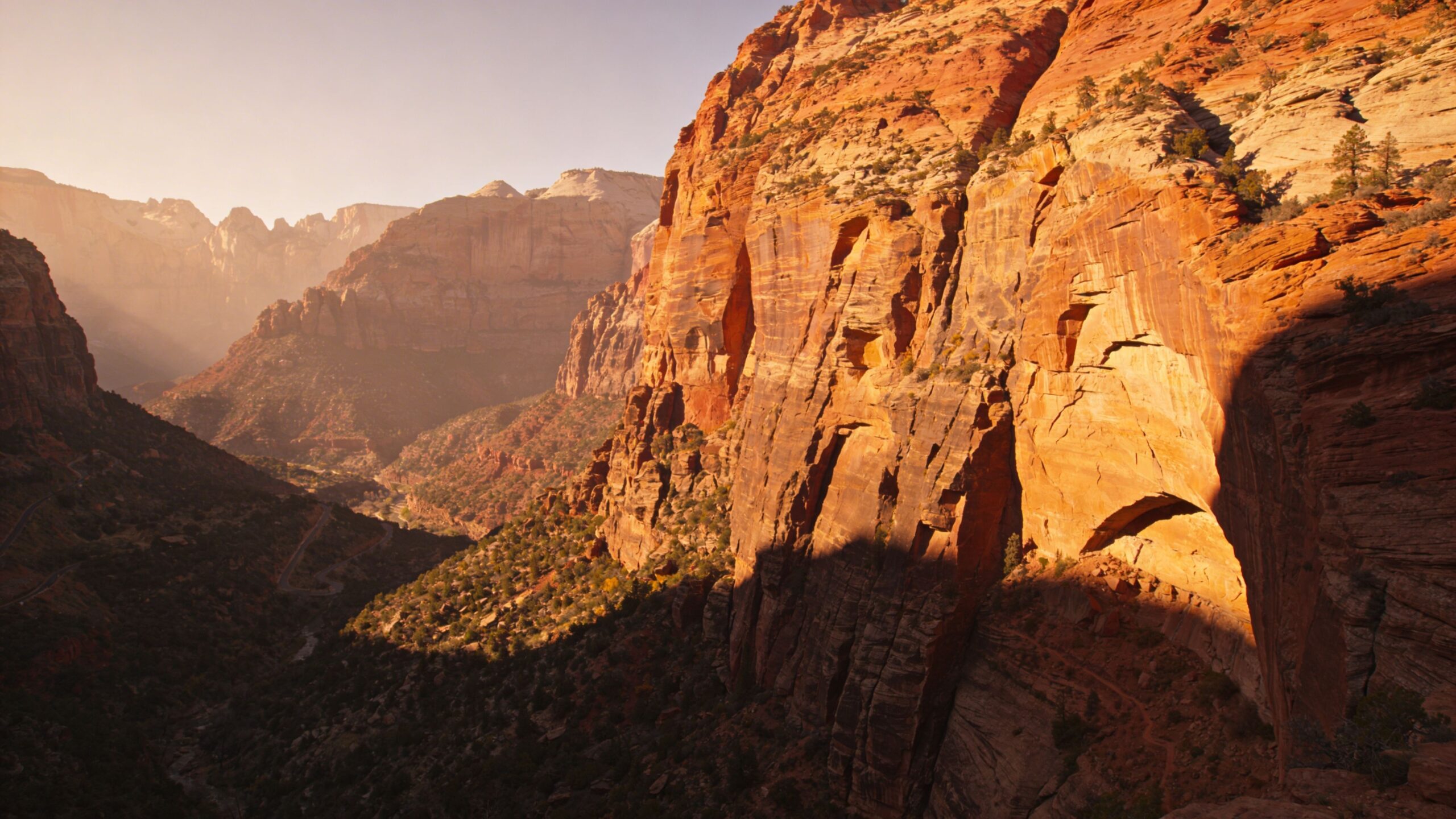
When most people think of America’s national parks, names like Yosemite, Yellowstone, and the Grand Canyon immediately come to mind. Yet beyond the famous icons lie dozens of parks that are equally majestic—places where solitude reigns, trails are empty, and the landscape feels untouched by time. These underrated national parks offer some of the most authentic and breathtaking experiences in the country, waiting quietly for those willing to look beyond the tourist maps. From misty coastlines to rugged deserts, these hidden gems redefine what it means to explore the wild.
A: Congaree (flat boardwalks), Capitol Reef (varied day hikes), and Theodore Roosevelt (quiet campgrounds).
A: Choose midweek, sunrise starts, and shoulder seasons; use secondary trailheads.
A: Some backcountry sites (Channel Islands, North Cascades) require advance permits—check park pages.
A: Often restricted; most campgrounds allow leashed pets, but verify park rules.
A: Bans vary; carry a canister stove backup and check daily alerts.
A: Desert/high parks can be dry or seasonal—filter and carry extra, use tabs as backup.
A: Store food securely, give animals distance, and follow posted guidance.
A: In spring shoulder seasons at higher elevations—yes, they help on icy mornings.
A: Often allowed with tree-friendly straps in designated areas—check local policy.
A: Voyageurs offers protected waters, island camps, and ranger guidance.
North Cascades National Park: The Alpine Wonderland Nobody Knows
Often called the “American Alps,” North Cascades National Park in Washington is one of the most spectacular yet least visited parks in the U.S. Despite being only a few hours from Seattle, this park receives a fraction of the visitors that flock to its more famous neighbors. Those who venture here are rewarded with jaw-dropping peaks, turquoise lakes, and miles of wild solitude. The landscape is a dramatic tapestry of jagged summits, icy glaciers, and dense evergreen forests. Hike the Cascade Pass or Maple Pass Loop for panoramic views that rival the Swiss Alps, or kayak across the glassy waters of Diablo Lake, where glacier silt turns the water an electric blue. At night, the sky erupts in stars so clear and bright they seem close enough to touch. North Cascades is pure wilderness—a reminder that the most beautiful places are often the quietest.
Great Basin National Park: Stars, Silence, and Ancient Bristlecones
Hidden in the remote stretches of eastern Nevada, Great Basin National Park feels like a secret whispered by the desert. It’s a place where every layer of the landscape tells a story—of ancient trees, underground worlds, and celestial skies.
The park’s crown jewel is Wheeler Peak, a 13,063-foot summit surrounded by alpine lakes and forests of bristlecone pines, some over 4,000 years old. These twisted, timeworn trees are among the oldest living organisms on Earth. Beneath the surface lies Lehman Caves, a stunning network of marble caverns filled with delicate stalactites and shimmering formations.
When night falls, Great Basin becomes one of the darkest places in America. The Milky Way spills across the sky in breathtaking clarity, making it a haven for stargazers and astrophotographers. This park reminds visitors that silence and starlight can be the most powerful forms of beauty.
Congaree National Park: The Cathedral of the Southern Forest
Deep in South Carolina, Congaree National Park preserves one of the last and largest old-growth floodplain forests in North America. Often overlooked, it’s a lush world of towering hardwoods, winding waterways, and the rhythmic hum of life. The park’s ecosystem feels ancient, a glimpse into what the southeastern U.S. looked like centuries ago.
Visitors can paddle through the swampy maze of the Congaree River or explore the Boardwalk Loop Trail that weaves through massive bald cypress and water tupelo trees. When the water is high, the forest transforms into a reflective wonderland, with mirror-like pools doubling the beauty of the trees above. In late spring, the park hosts one of nature’s most magical phenomena—synchronous fireflies lighting up the night in a dazzling natural performance. Congaree is more than a forest; it’s a living cathedral where nature still whispers its oldest hymns.
Guadalupe Mountains National Park: Desert Peaks and Hidden Canyons
Rising from the desert floor of West Texas, Guadalupe Mountains National Park is a rugged, windswept expanse that hides one of the most remarkable geological stories in America. Once the floor of an ancient sea, the region is now home to soaring peaks, hidden canyons, and fossilized reefs that date back 250 million years.
Guadalupe Peak, the highest point in Texas, offers sweeping views that stretch for miles across the Chihuahuan Desert. Trails like McKittrick Canyon reveal a surprising burst of color in autumn, as maple and ash trees ignite the desert in fiery hues. The park is a haven for solitude—no crowds, no distractions, just the sound of wind brushing across stone. It’s a place where time slows and the Earth feels vast and untamed. For hikers, backpackers, and history lovers alike, the Guadalupe Mountains are a striking reminder of the wild spirit that defines the American West.
Isle Royale National Park: The Remote Island of Wilderness and Wolves
Floating in the cold waters of Lake Superior, Isle Royale National Park is one of the most remote and least visited parks in the U.S.—and that’s exactly what makes it extraordinary. Accessible only by boat or seaplane, the island is a pristine wilderness of dense forests, rocky shorelines, and glassy inland lakes.
The park’s isolation has preserved its delicate ecosystem, where wolves and moose have coexisted in a natural predator-prey balance for decades. Backpackers and kayakers find serenity here, navigating trails that weave through boreal forest and rugged coastline.
The absence of cars and crowds allows the island to breathe with a rare kind of quiet. As the sun sets over Superior and loons call across the water, you understand that Isle Royale isn’t just a destination—it’s an experience in stillness, one that connects you deeply to the rhythm of nature itself.
Lassen Volcanic National Park: Fire, Ice, and the Living Earth
Tucked away in northern California, Lassen Volcanic National Park is a geothermal wonderland often overshadowed by its famous cousin, Yosemite. Yet within its boundaries lies a world alive with boiling springs, steaming fumaroles, and volcanic peaks that tell the story of Earth’s fiery heart. The park’s namesake, Lassen Peak, last erupted in 1915 and stands as one of the world’s largest plug dome volcanoes. Visitors can hike to its summit for panoramic views of snow-capped mountains and shimmering lakes. Down below, Bumpass Hell offers an otherworldly landscape of bubbling mud pots and hissing vents, reminding travelers that the planet beneath us is still very much alive.
Despite its dramatic name, Lassen offers peaceful meadows, crystalline streams, and an abundance of wildflowers in summer. It’s one of the few places on Earth where all four types of volcanoes can be found in one region—a natural classroom where geology and beauty meet in stunning harmony.
Theodore Roosevelt National Park: Where Prairie Meets Painted Desert
Named after the president who helped shape America’s conservation legacy, Theodore Roosevelt National Park in North Dakota is a hidden masterpiece of the Great Plains. It’s a land of colorful badlands, rolling grasslands, and herds of bison that move like living shadows across the horizon. The park’s layered rock formations glow in shades of gold, red, and purple as the sun dips low, creating one of the most underrated sunset views in the country. Scenic drives through the North and South Units reveal endless landscapes dotted with wild horses and prairie dogs, while hiking trails wind through canyons and bluffs that inspired Roosevelt’s passion for the wilderness.
The park’s solitude is its greatest gift. Here, the hum of wind replaces the buzz of crowds, and every viewpoint feels like a personal discovery. It’s a place that invites reflection, much like Roosevelt himself, whose time in these badlands reshaped his vision of America’s natural heritage.
Black Canyon of the Gunnison National Park: The Vertical Wilderness
Carved by the relentless Gunnison River over millions of years, the Black Canyon of the Gunnison in Colorado is one of the most dramatic and overlooked landscapes in the U.S. The canyon’s walls plunge nearly 2,700 feet into the roaring river below, creating a dark, narrow chasm so deep that sunlight touches its floor for only a few minutes each day.
For those who stand on the rim, the view is breathtaking—sheer cliffs, ancient rock strata, and the dizzying sense of nature’s power. The South Rim Drive offers jaw-dropping overlooks like Painted Wall, where streaks of pink and gold run through the canyon’s face like brushstrokes. Adventurous travelers can hike or climb into the inner canyon, an extreme wilderness experience reserved for only the most daring. At night, the park becomes one of the darkest skies in the West, a place where the stars blaze in stark contrast to the abyss below. It’s humbling, beautiful, and haunting all at once—a reminder that nature’s artistry doesn’t need fame to be profound.
Channel Islands National Park: California’s Untamed Coastline
Off the coast of Southern California lies a string of islands so wild and isolated they feel like another world. Channel Islands National Park, often called the “Galápagos of North America,” protects five rugged islands bursting with unique wildlife and windswept beauty.
Accessible only by boat or small aircraft, the islands are a haven for adventurers. Visitors can kayak through sea caves, snorkel among kelp forests, and hike across coastal cliffs teeming with seabirds. Each island has its own personality—Santa Cruz offers dramatic cliffs and hidden coves, while Anacapa boasts sweeping sea arches and panoramic ocean views.
The isolation of the Channel Islands has allowed rare species to thrive, including the playful island fox found nowhere else on Earth. For campers, evenings bring the sound of waves and the glow of distant mainland lights, faint reminders of a world left behind. Channel Islands National Park is a living testament to the wild resilience of coastal nature.
Rediscovering the Spirit of Exploration
In a nation filled with natural wonders, it’s easy to overlook the quieter parks—the ones without postcards or crowds. Yet these hidden gems are where the spirit of exploration truly lives. They challenge us to slow down, to listen, and to rediscover what drew humanity to the wilderness in the first place. Whether it’s the stillness of a high desert, the chill of an alpine dawn, or the call of a loon across a northern lake, these parks offer more than scenery—they offer connection. They remind us that America’s greatness lies not only in its grand monuments but also in the places where silence, solitude, and beauty still reign. So the next time you plan a trip into the wild, consider skipping the lines and the lodges. Pack your gear, follow a lesser-known trail, and step into the quiet magic of an underrated national park. You may find that the places few talk about are the ones that speak to you the most.