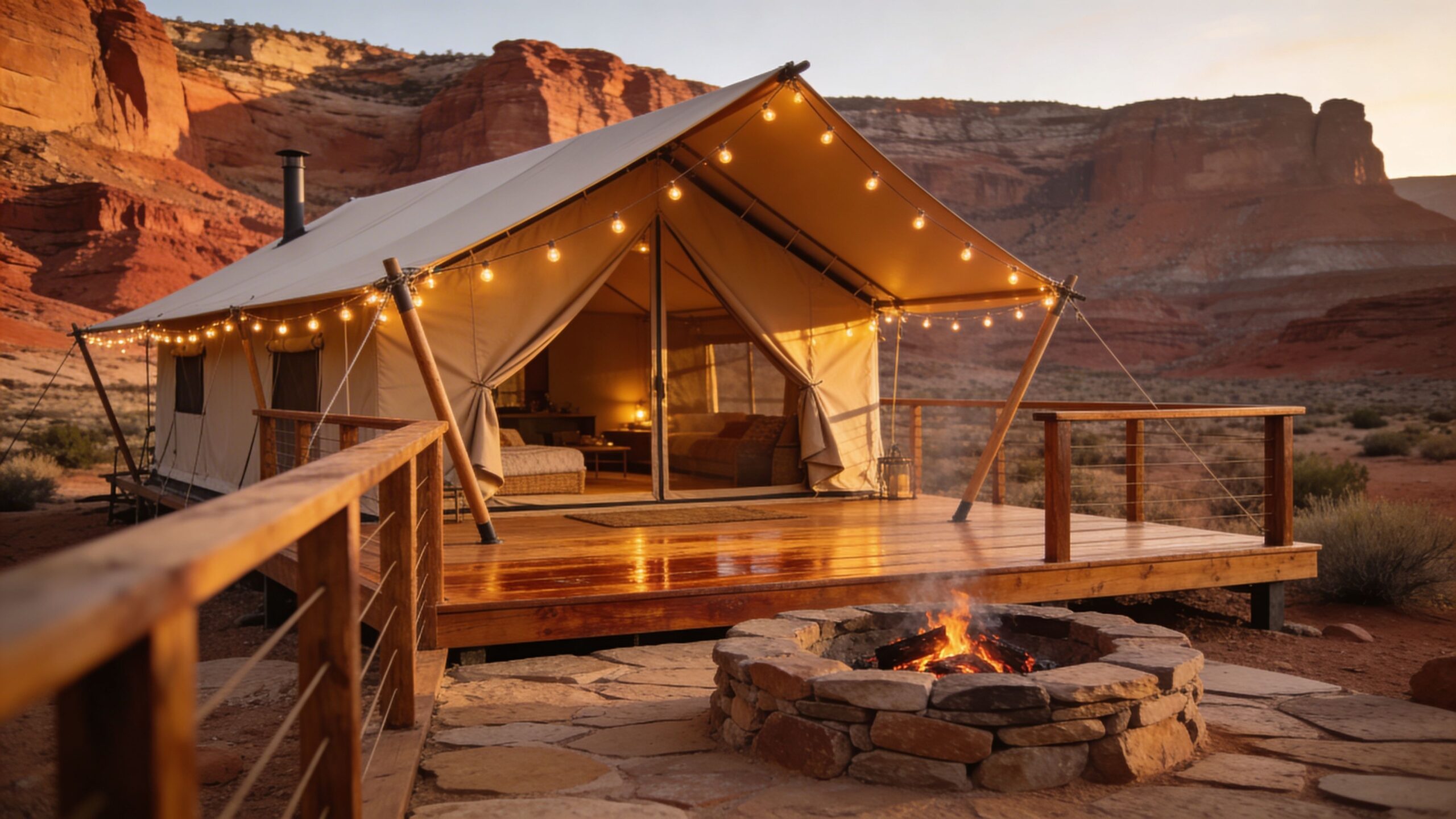
Backpacking is one of the most rewarding ways to explore the natural world. Unlike day hiking, where the trail eventually leads back to the car, backpacking invites you to step deeper into wild landscapes and stay overnight beneath open skies. It combines hiking, camping, and self-reliance into a single immersive experience. For beginners, backpacking can feel both thrilling and intimidating, but with the right preparation and mindset, it quickly becomes one of the most unforgettable outdoor adventures available. At its core, backpacking is about freedom and connection with nature. Carrying everything you need on your back allows you to travel far beyond crowded trails and into remote environments where silence replaces city noise and stars shine brighter than most people ever see. Whether trekking through pine forests, alpine meadows, desert canyons, or coastal cliffs, backpacking creates an opportunity to experience landscapes in their purest form.
A: Hiking is usually a day trip, while backpacking means carrying overnight gear and camping along the route.
A: Many beginners do best with a short overnight route, often around 3–8 miles to camp depending on terrain.
A: Lighter is better for beginners, and many aim to keep total pack weight as manageable as possible.
A: You need comfortable, broken-in footwear with enough support and traction for the trail conditions.
A: Usually yes for beginners, because a simple tent provides weather protection, bug coverage, and peace of mind.
A: Most backpackers filter, boil, or chemically treat water collected from natural sources.
A: Simple, lightweight meals and snacks that are easy to prepare and easy to eat on the move work best.
A: Yes, when you choose an appropriate route, plan carefully, carry the right gear, and pay attention to conditions.
A: Packing too much weight is one of the most common mistakes and can make the whole trip harder than it needs to be.
A: Clear trails, manageable mileage, reliable water, simple logistics, and a scenic campsite make a strong beginner experience.
Choosing Your First Backpacking Route
The success of a first backpacking trip often depends on selecting the right destination. Beginner-friendly routes should provide manageable distances, moderate terrain, and reliable access to water. While long-distance wilderness expeditions may look exciting online, a first overnight trip is best approached with simplicity and realistic expectations.
Most beginner backpackers aim for trails that cover five to ten miles per day. This distance provides enough adventure to feel meaningful while still allowing time to set up camp, cook meals, and relax. Routes with gradual elevation gain are also ideal, as steep climbs can quickly drain energy when carrying a fully loaded backpack.
National parks, national forests, and state wilderness areas often feature well-maintained trail systems designed for backpackers. These locations frequently include established campsites, reliable water sources, and clear trail signage. Many parks also provide backcountry maps and permit systems that help hikers plan safe overnight trips.
Another helpful strategy for beginners is choosing loop trails or out-and-back routes that start and end at the same trailhead. This eliminates complicated transportation logistics and makes planning significantly easier. When the route offers scenic views, water sources, and manageable terrain, a first backpacking trip becomes a comfortable introduction to the world of overnight hiking.
Essential Backpacking Gear for Beginners
One of the biggest questions beginners ask is what equipment they need for their first backpacking adventure. While the gear list may appear extensive at first, the core essentials are relatively simple and revolve around shelter, sleep, food, water, and navigation.
The backpack itself is one of the most important pieces of equipment. A properly fitted backpack distributes weight comfortably across the hips and shoulders, allowing hikers to travel longer distances without excessive strain. Most beginners choose backpacks in the forty to sixty liter range, which provides enough space for overnight gear without encouraging overpacking.
Shelter is the next key consideration. Lightweight backpacking tents are the most common choice because they offer protection from weather while remaining easy to carry. Some hikers prefer hammocks or minimalist tarps, but tents provide the most reliable option for beginners still learning how to choose campsites.
Sleeping systems are equally important for comfort and recovery. A good sleeping bag suited to the expected nighttime temperatures helps maintain warmth, while a sleeping pad provides insulation and cushioning from the ground. Even experienced hikers emphasize that quality sleep can make or break a backpacking trip.
Cooking equipment is typically simple and compact. Most backpackers rely on small portable stoves that use lightweight fuel canisters. These stoves allow hikers to boil water quickly for dehydrated meals, coffee, or soup. Paired with a lightweight cooking pot and utensils, the setup remains minimal while still enabling satisfying meals in the backcountry.
Water filtration is another critical component of backpacking gear. Natural water sources such as streams and lakes often contain bacteria or parasites that require treatment before drinking. Modern water filters, purification tablets, and UV purification devices allow hikers to safely refill water supplies along the trail.
Navigation tools such as maps, compasses, or GPS devices ensure hikers stay on course. While smartphone apps have become increasingly popular, traditional maps remain valuable backups in areas without reliable signal coverage.
Packing Smart: Balancing Weight and Comfort
Packing efficiently is one of the most valuable skills beginner backpackers can develop. Every item placed inside the backpack adds weight that must be carried across miles of trail, which means thoughtful packing can significantly improve comfort and endurance.
Experienced backpackers often follow the principle that lighter gear leads to a more enjoyable hiking experience. However, beginners should avoid removing essential safety equipment simply to reduce weight. Instead, the goal is to find a balance between practicality and minimalism.
Clothing is one area where smart packing makes a big difference. Rather than bringing multiple outfits, backpackers typically rely on layering systems designed for outdoor conditions. Lightweight base layers manage moisture, insulating layers provide warmth, and waterproof outer layers protect against rain and wind.
Food planning also plays a role in managing pack weight. Dehydrated meals, trail mixes, energy bars, and lightweight snacks provide high calories without excessive bulk. Many backpackers carefully plan meals to ensure they carry only what they need for the duration of the trip.
The placement of gear inside the backpack also affects comfort. Heavier items such as food and water should sit close to the middle of the back, while lighter gear like sleeping bags can fill the lower portion of the pack. Proper weight distribution improves balance and reduces strain on the shoulders and back.
Learning to pack efficiently takes practice, but each trip provides new insights into which items are truly necessary and which ones can stay at home next time.
Trail Skills Every Beginner Backpacker Should Learn
Beyond gear and route planning, backpacking requires a set of outdoor skills that help hikers travel safely through wilderness environments. These skills are often simple but become invaluable during overnight trips.
Navigation is one of the most fundamental abilities. Understanding how to read trail maps, identify landmarks, and follow trail markers helps backpackers maintain confidence throughout the journey. Even on well-marked trails, awareness of surroundings prevents confusion and accidental detours.
Campsite selection is another important skill. Ideal campsites are located on durable surfaces, away from fragile vegetation, and at least two hundred feet from water sources. This approach protects natural environments while reducing the risk of flooding or wildlife encounters.
Camp setup also becomes easier with practice. Pitching tents, organizing gear, and preparing meals efficiently allows hikers to relax and enjoy their surroundings rather than rushing through tasks before nightfall.
Weather awareness is equally critical in outdoor environments. Conditions in mountainous or remote areas can change quickly, so checking forecasts and understanding potential weather patterns helps backpackers prepare for unexpected changes.
As beginners gain experience, these skills become second nature. Each successful trip builds confidence and prepares hikers for more challenging adventures in the future.
Food, Water, and Energy on the Trail
Backpacking requires significant physical effort, which means nutrition and hydration are essential components of a successful trip. Unlike day hikes where snacks may be enough, overnight trips demand careful planning to maintain energy levels.
Backpacking meals are designed to provide high calories with minimal weight. Many hikers rely on dehydrated meals that only require boiling water to prepare. These meals are lightweight, easy to pack, and surprisingly satisfying after a long day on the trail.
Breakfasts often include oatmeal, granola, or instant coffee, while lunches tend to consist of simple foods such as tortillas, nut butter, cheese, and energy bars. Snacks are particularly important because they provide quick bursts of energy throughout the day.
Hydration is equally important. Backpackers typically drink several liters of water each day, depending on temperature, elevation, and exertion levels. Carrying enough water between reliable water sources is a critical planning step.
Water filtration systems allow hikers to refill from streams, lakes, or springs along the route. These devices remove harmful microorganisms and ensure safe drinking water throughout the journey.
Proper nutrition and hydration not only improve performance but also enhance the overall experience. A warm meal after a day of hiking can feel incredibly satisfying when surrounded by wilderness.
Wilderness Responsibility and Leave No Trace Principles
Backpacking provides access to some of the most beautiful natural environments in the world, but with that access comes responsibility. Protecting wilderness areas ensures that future generations can enjoy the same landscapes and experiences.
The widely recognized Leave No Trace principles guide outdoor ethics for hikers and backpackers. These principles encourage travelers to minimize their impact on the environment by practicing responsible behaviors throughout their trips.
Planning ahead and preparing properly helps prevent unnecessary damage to ecosystems. Staying on established trails reduces erosion and protects fragile vegetation. Campfires should only be built where permitted, and many areas encourage the use of portable stoves instead.
Waste management is another crucial responsibility. All trash, including food wrappers and biodegradable items, should be packed out of wilderness areas. In locations without designated restroom facilities, hikers must properly dispose of human waste by digging small catholes away from water sources and trails.
Respecting wildlife is equally important. Feeding animals disrupts natural behaviors and can create dangerous situations for both humans and animals. Observing wildlife from a distance allows backpackers to appreciate nature without interfering with delicate ecosystems.
By following these principles, backpackers help preserve the landscapes that make outdoor adventures so meaningful.
The First Night in the Backcountry: A Moment You Never Forget
For many beginners, the most memorable part of backpacking is the first night spent deep in the wilderness. As daylight fades and the sounds of nature grow louder, a sense of calm settles over the campsite. The pace of modern life slows dramatically, replaced by the rhythms of wind, water, and wildlife. Cooking dinner beneath open skies often becomes a highlight of the experience. Simple meals taste better after miles of hiking, and the surrounding scenery transforms every campsite into a natural dining room. As darkness arrives, the night sky reveals stars that are rarely visible from cities or suburbs. Morning in the backcountry brings a different kind of magic. Sunlight gradually filters through trees or across mountain ridges while birds begin their daily chorus. Packing up camp and returning to the trail creates a feeling of accomplishment that few other activities provide. For beginners, that first overnight trip often marks the beginning of a lifelong passion for exploring wild places. Each subsequent adventure builds on the lessons learned along the way, leading to longer journeys, more remote destinations, and deeper connections with the outdoors. Backpacking 101 is ultimately about discovering that the wilderness is not reserved for experts alone. With the right preparation, thoughtful planning, and a spirit of curiosity, anyone can step beyond the trailhead and experience the freedom of overnight hiking.